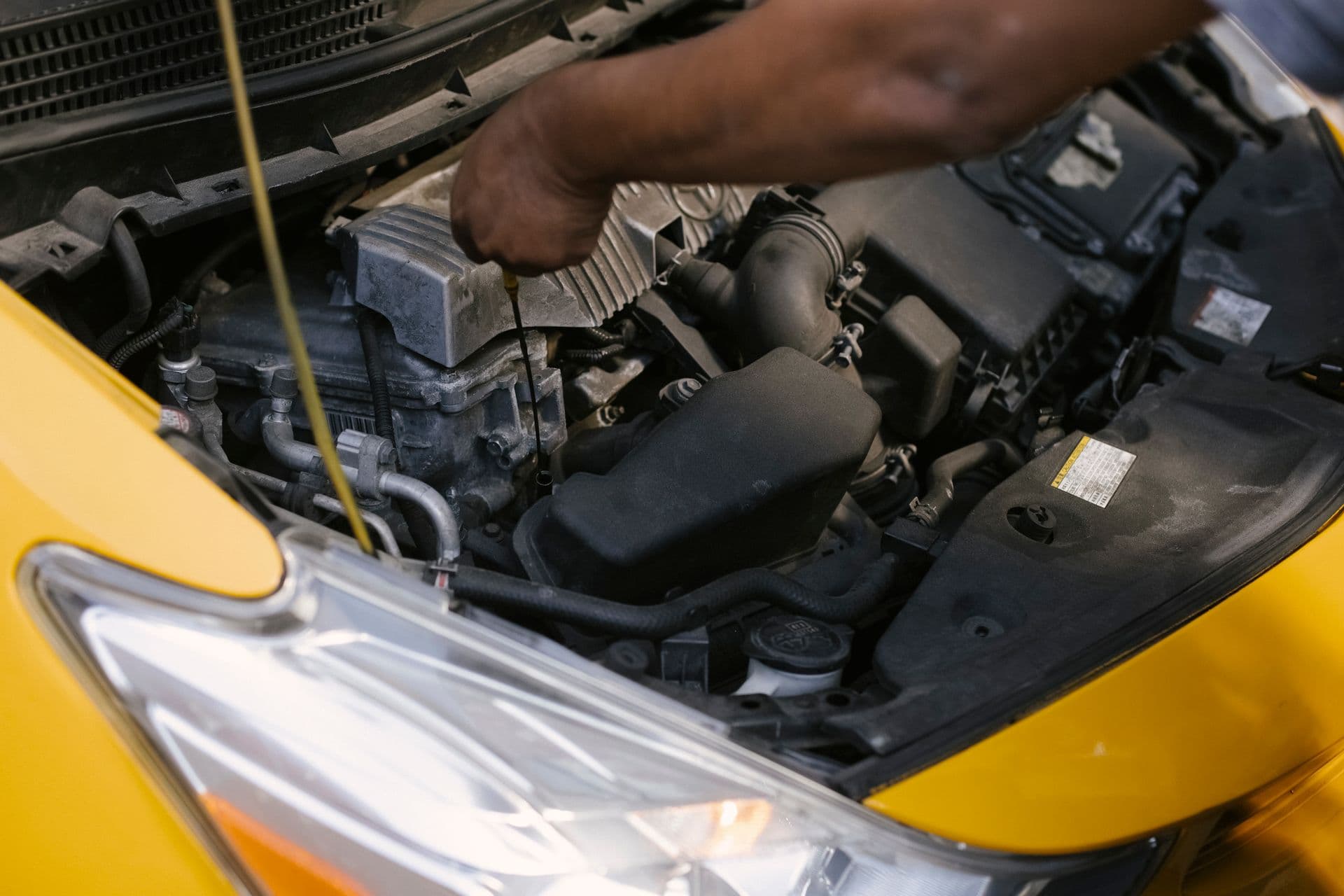


If your car has barely moved since its last service, it can be tempting to think the next one can wait.
Maybe you work from home now, only use to it go to the grocery store every weekend, or simply have not reached the kilometre number on your last service reminder. On the other hand, you might be driving long distances every week and you may hit your kilometre interval months earlier than the next scheduled date.
So, which one matters more when it comes to a car service: time or kilometres?
In most cases, both matter. Vehicle manufacturers commonly set service intervals using a combination of time and distance travelled, with the service becoming due when either limit is reached first.
That is because kilometres tell your mechanic how much work the vehicle has done, while time reflects how components, fluids, and materials can continue to age even when the car is not being driven regularly.
Understanding how the two work together can make it much easier to stay on top of your car’s maintenance schedule.
What does "Time or Kilometres, Whichever Comes First" Actually Mean?
One might think that it's necessary to just follow along one aspect—whether it’s how long you’ve driven or how far. Honestly, both are acceptable, especially when we are talking about servicing your car. But what if you saw in your service logbook that your service is due next week, but you’ve barely driven it out of the house? Should you just skip it and wait for a while?
Service schedules usually don’t skimp out on either, or whichever comes first should be the sign you should follow to book your car for a service.
Why Kilometres Matter
Every kilometre adds to the amount of work your car performs.
The engine completes countless operating cycles, the suspension and steering components respond to changing road surfaces, brakes are applied repeatedly, tyres rotate depending on the load, and filters continue collecting contaminants.
Engine oil also works continuously while the engine is running, helping lubricate the moving components, manage vehicle temperature, and carry contaminants away from critical areas.
Why Time Matters Even If You Barely Drive
A parked or lightly driven car is not frozen in time. A low odometer reading does not necessarily mean nothing is happening to your car. Vehicles continue to age while parked.
Vehicles that sit unused for extended periods can also develop issues that are different from those associated with high mileage. Brake components may develop surface corrosion, batteries can become weak, and fluids may not circulate as frequently as they would in a regularly driven vehicle.
Engine oil is another good example. Even if the car has only travelled a relatively small distance, oil does not remain in perfect condition indefinitely.
This is why a time-based service interval still matters. It gives your mechanic the opportunity to inspect how the vehicle is ageing, even if it has not accumulated many kilometres.
What if You Drive Very Few Kilometres Each Year?
Transitioning from daily trips to the office to work from home (WFH) setting or a hybrid set-up surely makes a huge difference in car usage, and low-kilometre driving is increasingly common! It can feel counterintuitive to book a car service when the odometer has barely changed, but low mileage does not automatically equal low maintenance.
Frequent short trips can also create their own demands. The engine may repeatedly start and stop without spending much time operating at full temperature, while the battery may have fewer opportunities to recharge properly during longer drives.
A vehicle that mainly travels short distances can therefore have very different maintenance needs from one that regularly covers long highway kilometres.
Rather than assuming the car is fine because it has not travelled far, check the manufacturer’s time-based servicing requirements and speak with your mechanic if you are unsure which interval applies.
How Do You Know When Your Next Car Service is Due?
The easiest place to start is your vehicle’s service schedule.
Depending on the car, you may be able to find your next interval through:
- The owner’s manual or manufacturer service schedule
- Your previous service invoice
- A service sticker or reminder
- The vehicle’s dashboard service indicator
- The date and odometer reading from your last car service
If the vehicle has changed owners or its service history is unclear, a mechanic can help you work out what maintenance may be due based on the vehicle’s age, kilometres, and available records.
It will also help if you keep a simple record of the date and odometer reading whenever your car is serviced. This way, you can easily track and see which limit you are approaching first.
Time vs. Kilometres. Which One Wins?
Neither.
Time and kilometres work together to give a more complete picture of when your vehicle may need servicing.
Drivers who travel frequently are more likely to reach the kilometre interval first, while people who drive less may reach the time limit before the odometer comes close to the specified distance.
Where your manufacturer lists an interval based on time or kilometres, the general approach is to service the vehicle when whichever milestone comes first is reached.
Most importantly, follow the schedule specified for your particular vehicle rather than relying on a single rule that applies to every car.
Keep Your Car Service on Schedule
Your odometer tells one part of your car’s maintenance story, but the calendar matters too.
Keeping track of both time and kilometres helps ensure your vehicle is inspected according to its recommended schedule, giving your mechanic the opportunity to carry out routine maintenance and identify signs of wear before they become more difficult to manage.
At Westside Auto, our service team can help take the guesswork out of keeping your car on schedule. Whether your next service is approaching by time, kilometres or both, our mechanics can assess your vehicle, carry out the required maintenance and help you understand what may be due next.
Staying on top of regular servicing is one of the simplest ways to keep your car performing as it should, and with the right service team behind you, it becomes much easier to stay one step ahead of its maintenance needs.
Frequently Asked Questions (FAQs)
- Do I need to service my car if I have not reached the kilometres?
If your manufacturer specifies a time-based interval as well as a kilometre interval, your car may still be due for a service once that time period has passed. Low kilometres do not stop fluids, batteries, rubber components and other parts of the vehicle from ageing. - Can I service my car early?
Yes. There may be practical reasons to arrange a service before the exact interval, such as an upcoming long-distance trip or knowing you will soon exceed the recommended kilometres. Your mechanic can advise whether servicing slightly earlier makes sense for your vehicle and driving habits. - Do short trips affect car servicing?
Frequent short trips can place different demands on a vehicle compared with longer journeys. The engine may not always spend much time at full operating temperature, and the battery may have fewer opportunities to recharge during extended driving. - What if I have gone slightly over my service kilometres?
Rather than deliberately extending the interval further, arrange your car service when you can. Your mechanic can inspect the vehicle and help you get the servicing schedule back on track. - How do I know which service interval applies to my car?
Check your owner’s manual, manufacturer service schedule, previous service records, or dashboard reminder for the recommended time and kilometre intervals. If the vehicle’s history is unclear, a mechanic can help determine what maintenance is due based on its age, kilometres, and available records.