

Having a car is great: it saves you a lot of time, whether you are travelling from home to work or heading away on a special family holiday. While driving is often more convenient than commuting by public transport, the reality is owning a vehicle can become costly if you do not keep up with its maintenance needs. Your car may feel completely normal today, but that does not always mean every component is working perfectly.
Many mechanical problems develop gradually and if you use your car every day, some warning signs can be easy to miss. A small fluid leak, weakening battery, worn brake pad, or damaged suspension component may go unnoticed until the issue becomes more serious and expensive to repair.
This is where regular car servicing becomes important, as sticking to a routine service schedule can save you a lot of headaches. While a service cannot predict every breakdown that may happen in the future, it can provide greater peace of mind and give qualified mechanics the opportunity to inspect your car’s key systems. This may include checking fluid levels, identify signs of wear, and alert you to developing mechanical or safety issues.
Here are seven common car problems that a mechanic may detect during a routine car service:
1. Fluid Leaks and Low Fluid Levels
Your vehicle relies on several fluids to lubricate components, regulate temperature, support braking, and assist steering or transmission operation. If one of these fluids begins leaking or falls below the recommended level, your car may gradually experience reduced performance or component damage.
During a routine car service, the mechanic may check fluids such as:
- Engine oil
- Coolant
- Brake fluid
- Transmission fluid
- Power steering fluid, where applicable
- Windscreen washer fluid
Leaks often develop because of deteriorated seals, damaged hoses, loose fittings, worn gaskets, or cracks within a reservoir or component. In some cases, the first sign may be a small patch of fluid beneath the vehicle. However, slow leaks may not always leave an obvious mark on the driveway.
If your vehicle is running low on engine oil, it increases friction and wear inside the engine, and having insufficient coolant may lead to overheating. A low brake fluid on the other hand could indicate work brake components or a leak within the hydraulic braking system.
Checking fluid condition is also important as it can become contaminated or deteriorate over time, even when the level appears correct. Identifying these changes early allows your mechanic to recommend the appropriate maintenance before further problems develop.
2. Worn Brake Components
Brake wear usually happens gradually, which means drivers can become accustomed to small changes in braking performance without realising there is a problem. Over time, they may unconsciously adjust by braking earlier, leaving more distance between their vehicle and the car in front, or accepting that they need to press the brake pedal harder or for longer to bring the vehicle to a stop.
During routine servicing, the brake system may be inspected for signs such as:
- Worn brake pads
- Scored or damaged brake discs
- Leaking brake components
- Low or contaminated brake fluid
- Uneven braking wear
- Sticking brake calipers
- Cracks or damage in visible brake hoses
Worn brake pads are generally more affordable to replace before they damage the discs or rotors. If servicing is delayed and the friction material wears away completely, metal components may begin rubbing together, potentially increasing repair costs and reducing braking performance.
Your mechanic may also notice uneven wear between the left and right sides of the vehicle. This could indicate a sticking caliper, damaged component, or another issue preventing the brakes from operating evenly.
You should not wait for your next scheduled car service if you notice grinding, squealing, pulling while braking, a soft brake pedal, or an increase in stopping distance. These symptoms should be professionally assessed as soon as possible.
3. Uneven Tyre Wear and Wheel-Related Problems
Tyres are the only parts of your car that remain in constant contact with the road, making their condition essential to handling, braking, and overall safety. Knowing the state of your tyres can be beneficial for drivers, especially when it comes to changing them or simply rotating them.
A routine inspection can reveal tyre problems that may not be obvious from a quick glance. These can include:
- Uneven tread wear
- Low tyre pressure
- Cracking or ageing rubber
- Embedded objects
- Bulges or sidewall damage
- Insufficient tread depth
- Signs of poor wheel alignment
- Abnormal wear caused by suspension issues
For example, excessive wear along one edge of a tyre may suggest a wheel alignment problem, while wear through the centre of the tread can sometimes be associated with incorrect inflation. Cupped or irregular tread patterns may point to balancing or suspension concerns.
Tyre problems can develop slowly, particularly if you regularly drive on rough roads, strike potholes, mount kerbs, or carry heavy loads. Early identification can help extend tyre life and prevent a minor alignment issue from damaging an otherwise usable set of tyres.
A mechanic can also advise whether the tyres should be rotated, balanced, aligned, repaired, or replaced based on their condition and wear pattern.
4. Battery and Charging System Weakness
A car battery often gives very little warning before it fails completely. Your vehicle may start normally one day and struggle the next, particularly during temperature changes or after sitting unused.
As the battery weakens, you may notice slower engine cranking, dimmer headlights, flickering dashboard lights, or electrical features taking longer to respond. These signs can be subtle, which is why many drivers do not realise there is a problem until the car will no longer start.
During a car service, technicians may inspect the battery for:
- Low state of charge
- Corroded battery terminals
- Loose connections
- Physical swelling or damage
- Signs of battery age
- Charging-system irregularities
- Slow cranking or starting concerns
Battery testing can help indicate whether the battery is holding sufficient charge and performing within an acceptable range. If the battery is weakening, replacing it before failure may save you from becoming stranded.
However, starting problems are not always caused by the battery itself. A faulty alternator, starter motor, wiring connection, or electrical drain can produce similar symptoms. A professional mechanic can assess the wider charging and starting system, when necessary, rather than replacing the battery without identifying the true cause.
Detecting a weakening battery early gives you time to arrange a replacement or further testing before an unexpected failure leaves you stranded.
5. Worn Belts and Damaged Hoses
Belts and hoses operate under constant heat, pressure, vibration, and movement. Over time, rubber components can harden, crack, stretch, soften, or begin leaking.
Because much of this wear develops beneath the bonnet, drivers may not notice a problem until a belt starts squealing or a hose begins losing fluid. If a damaged belt or hose fails completely, it may affect the charging or cooling system and increase the risk of overheating or an unexpected breakdown.
Depending on the vehicle, belts may drive important components such as:
- The alternator
- Water pump
- Air-conditioning compressor
- Power steering pump
If a drive belt becomes loose, worn, or damaged, you may notice squealing noises, charging problems, overheating, or reduced air-conditioning performance.
Cooling-system hoses are equally important because they carry coolant between the engine, radiator, and other components. A small crack or weak area may eventually result in a sudden coolant leak and engine overheating.
During servicing, a mechanic can visually inspect accessible belts and hoses for cracking, fraying, swelling, leaks, and loose connections. Catching a deteriorating hose or belt early is usually far more convenient than dealing with a roadside breakdown or overheated engine.
6. Suspension and Steering Wear
Your suspension and steering systems help keep the vehicle stable, comfortable, and responsive. Because these components wear gradually, drivers may not immediately notice when handling begins to change.
You might slowly become accustomed to increased body movement, vague steering, knocking noises, or the vehicle pulling slightly to one side. Over time, worn components can also contribute to uneven tyre wear, reduced ride comfort, and less predictable handling, particularly when driving over rough roads or around corners.
A routine car service may identify problems involving:
- Shock absorbers or struts
- Suspension bushes
- Ball joints
- Tie rods
- Wheel bearings
- Steering components
- Springs
- Mounts and linkages
Suspension wear can also affect braking and tyre contact with the road. For example, worn shock absorbers may allow excessive movement, making the vehicle feel less controlled over uneven surfaces or during sudden manoeuvres.
A mechanic may identify movement, leaks, damaged rubber components, or unusual wear during an inspection. Addressing these concerns early can help protect surrounding parts and restore more predictable handling.
7. Developing Engine and Emissions Problems
Not every engine problem triggers a warning light immediately. Some issues begin as small changes in fuel economy, idle quality, emissions, or performance before becoming more noticeable.
Drivers may gradually become accustomed to slower acceleration, rough idling, unusual engine noises, or the need to refuel more often. During a routine car service, a mechanic may identify early signs of wear, contamination, or developing faults before they lead to reduced performance or more extensive repairs.
During a routine service, a mechanic may identify signs such as:
- Dirty or blocked filters
- Worn spark plugs
- Oil contamination
- Coolant loss
- Unusual engine noises
- Exhaust smoke
- Vacuum or intake leaks
- Fault codes stored by the vehicle
- Early signs of ignition or fuel-system problems
Changing a clogged air filter, for example, can help the engine breathe properly, and a worn spark plug can contribute to poor starting conditions, rough running, even a higher fuel consumption.
Modern vehicles also heavily rely on electronic sensors and onboard computers. If a dashboard warning light has appeared, diagnostic equipment may help retrieve fault codes and guide further testing. A fault code does not always identify the failed component directly, but it provides useful information for the mechanic investigating the issue.
Early diagnosis can prevent a relatively small fault from affecting other components. It can also help maintain fuel efficiency, emissions performance, and general drivability.
Why Early Detection Matters
Routine servicing is not only about changing oil and filters. It provides an opportunity to assess your car’s overall condition and identify wear that may otherwise remain unnoticed.
Early detection may help you:
- Prevent minor faults from becoming larger repairs
- Reduce the chance of an unexpected breakdown
- Plan upcoming maintenance around your budget
- Maintain safer braking and handling
- Protect your tyres and major mechanical components
- Improve long-term vehicle reliability
- Maintain accurate service records
Your mechanic may also distinguish between work that requires immediate attention and maintenance that can be planned for a future visit. This allows you to make informed decisions instead of being surprised by a sudden failure.
Do Not Wait for a Scheduled Service When Something Feels Wrong
Regular servicing is valuable, but it should not replace immediate attention when your vehicle displays a serious warning sign.
Book an inspection promptly if you notice:
- A red dashboard warning light
- Engine overheating
- Smoke or a strong burning smell
- Reduced braking performance
- Petrol or fuel odours
- Major fluid leaks
- Sudden loss of power
- Severe vibration
- Difficulty steering
- Unusual grinding or knocking noises
Continuing to drive with a serious mechanical problem may increase the risk of further damage or compromise vehicle safety.
Book Your Next Car Service with Westside Auto
Regular car servicing gives your vehicle the best opportunity to remain safe, reliable, and efficient throughout the year. Even when your car appears to be driving normally, a professional inspection can identify developing problems, worn components, and overdue maintenance before they turn into inconvenient or expensive repairs.
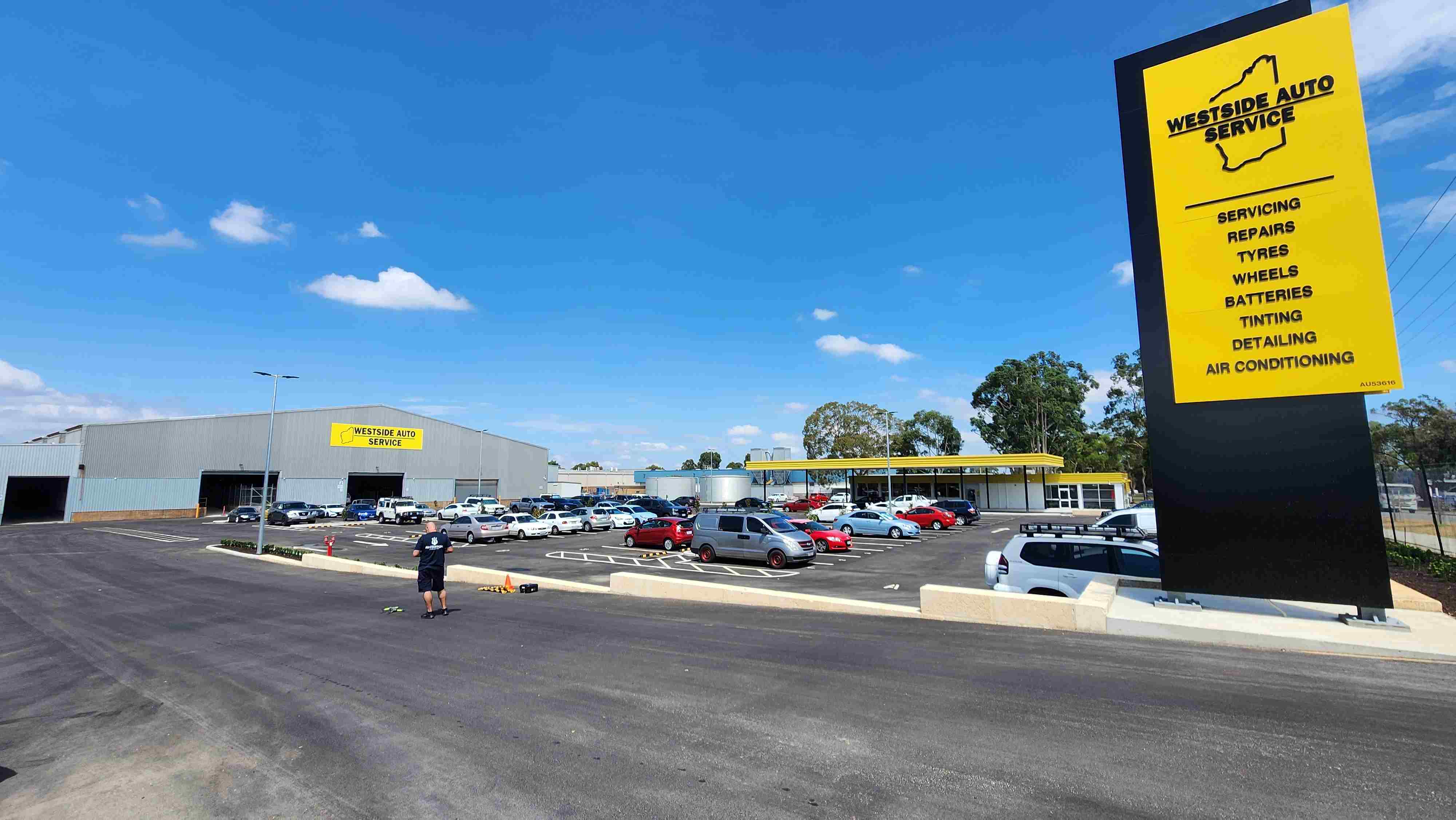
At Westside Auto, our experienced mechanics and technicians provide routine servicing, logbook servicing, inspections, and professional vehicle maintenance tailored to your car’s needs. Book your next car service with our team and let us help keep your vehicle performing confidently on Perth roads.