

Overview
There’s nothing quite like the excitement of a road trip: the exhilarating vibes, magnificent views, and the warmth and coldness of the season that you’re basking into. While packing your bags and heading out for the weekend getaway or a long holiday drive seems exciting, it’s worth asking one important question: Are your brakes ready for the journey?
Whether you're planning a weekend getaway to Margaret River, heading north to Geraldton, or simply commuting across Perth, your brakes work hard every time you drive.
Unlike a flat tyre or an empty fuel tank, brake problems are not always obvious until you feel it’s serious. Day by day, you’ll eventually realize that something has changed with your brakes and you start questioning yourself why it suddenly feels different. Recognizing these early warning signs can help prevent expensive repairs, and more importantly, keep you and your passengers safe.
Brakes
Your vehicle's brake system does more than bring your car to a stop—it gives you the confidence and control to react when it matters most!
The brake system consists of several essential components including brake pads, brake booster, master cylinder, brake fluid, brake lines, calipers, and drum brakes which work together to help your vehicle slow down safely and efficiently. Since these components experience continuous friction and heat, they are prone to wear and tears, causing micro changes every usage.
Understanding how your brake system works and knowing when to replace worn brake parts can improve vehicle safety, enhance braking performance, and help prevent costly repairs down the road.
Why Seasonal Brake Checks Matter in Perth
Although Perth doesn't experience snow or icy roads, the changing seasons can still affect your car’s performance, especially its braking system. Summer road trips, long weekends, and winter rainfall all place different demands on your brakes.
Higher temperatures and extended driving during the warmer months can accelerate wear on brake components, particularly if you're travelling long distances or carrying extra passengers and luggage. During winter, the wet roads caused by the rain reduce your tyre grip which puts extra stress on your braking system.
That’s why if you’re driving through city traffic or heading down south for a holiday, keeping your brakes in good condition helps ensure your vehicle remains safe and responsive all year round.
Here are 5 Signs That Your Brakes May Need Professional Attention Before Your Next Road Trip:
1. You Hear Squealing or Grinding Noises
“What is that noise I hear whenever I press my brakes?” That’s a valid question. One of the earliest and most common signs that your brakes need attention is an unusual noise when you slow down or come to a stop. A high-pitched squealing sound is often caused by worn brake pads. Most modern brake pads are designed with a small metal wear indicator that produces this sound as a built-in warning, letting you know it's time to have them inspected. While the noise may seem minor at first, it's not something that should be ignored.
If the squealing develops into a grinding noise, the issue may be more serious than you thought. Grinding can occur when the brake pads have worn down completely, causing metal components to rub directly against the brake discs (also known as rotors). This not only reduces your car’s braking performance, but can also lead to more extensive and expensive repairs. Having your brakes checked as soon as you notice these sounds can help prevent further damage and keep your vehicle safe on the road.
2. Your Brake Pedal Feels Soft or Spongy
You might wonder, why does my brake pedal feel so spongy? The truth is, it shouldn’t be. Your brake pedal should feel firm and responsive every time you press it.
If you notice that the pedal feels softer than usual, sinks a bit closer to the floor, or requires more pressure to stop the car, these are serious indicators that something isn’t working correctly within your car’s braking system.
There are several possible causes for a soft or spongy brake pedal, including:
Air in the brake lines
Worn brake components
Brake fluid issues
Hydraulic system problems
While these problems may be relatively simple to fix, they can affect your vehicle’s stopping power. Since brakes are critical to safety, it’s always best to have any changes in braking performance inspected prompt rather than wait for it to worsen.
3. Your Car Pulls to One Side when Braking
Does your car rift left or right when you hit the brakes? This is a major sign that your braking system may not be working evenly. Instead of stopping in a straight line, one side of the vehicle may be doing more of the braking than the other. This makes driving feel uncomfortable and may become more noticeable during sudden stops or in wet conditions.
Uneven braking can be caused by:
Worn brake pads
Sticking brake caliper
Uneven tyre pressure
Other issues affecting the braking or suspension systems
Whatever the cause, pulling while braking reduces your control over the vehicle and may increase stopping distances. A professional inspection can identify the source of the problem and help restore balanced, reliable braking performance before your next journey.
4. The Brake Warning Light Comes On
Modern vehicles constantly monitor braking performance. Dashboard warning lights are your vehicle's way of letting you know that something needs attention, and the brake warning light should never be ignored.
If the brake warning light appears on your dashboard, don't assume it's safe to keep driving without checking the issue. The warning could relate to:
Low brake fluid
Worn brake pads
ABS system issues
Other braking faults
While some warning lights can be triggered by relatively minor issues, others may point to faults that could compromise your safety if left unresolved. Driving under these circumstances may cause an increase in the risk of more significant problems that may develop over time. If a brake warning light appears, it's a good idea to arrange a professional inspection as soon as possible to ensure your braking system is operating as it should.
5. Your Car Takes Longer to Stop
Have you noticed that it takes longer for you to brake than it used to? Or that you need to press the brake pedal earlier than normal just to stop the car? These are clear signs that your brakes may need immediate attention.
While the change may be gradual and easy to overlook during everyday driving, the slightest increase in stopping distance can make a big difference during an emergency.
Reduced braking performance usually result from:
Worn brake pads
Ageing brake discs
Low brake fluid
Other components that have deteriorated over time
Carrying heavy loads, driving in hilly areas, or preparing for a road trip may take more toll on your braking system. If you do not feel as confident as before, a brake inspection before your next long journey can help identify any issues earlier than any disaster.
Why a Brake Inspection Before a Road Trip Matters
Long-distance driving places extra demands on your vehicle and during a road trip, your brakes may experience:
Frequent stopping
Steep descents
Heavy luggage loads
Changing road conditions
Wet weather
A pre-trip inspection can identify worn components before they become bigger problems.
Winter Driving: Wet Roads Require Reliable Braking
While Perth doesn’t experience extreme winters and are generally mild than the rest of Australia, the rain can still make the roads significantly more slippery than during the dry summer months. The reduced tyre grips mean your car may require longer stopping distance, making functioning brakes more important. The worn components of your brakes can have a greater impact especially when the road conditions are less predictable.
Spanning from June to August, these winter months are a good time to pay attention to the dashboard warning lights and other matters affecting your car’s braking performance. Having them inspected before the wettest part of the season could save you and your pockets from bigger problems.
Summer Driving: Heat Can Affect Your Brakes
As one of the busiest travel periods in Australia with many families taking road trips during school holidays and long weekends, summer is definitely the perfect season to check on your brakes. Extended driving, heavier loads, and high temperatures can put additional stress on your braking system.
Frequent braking in stop-start holiday traffic or on winding coastal roads can generate extra heat, causing brake components to wear more quickly over time. The extreme weather can also increase the demands placed on your entire car.
While modern braking systems are designed to handle daily conditions, worn brake pads or ageing brake fluid may become more noticeable during longer drives. Booking a pre-summer inspection can help identify any issues before you head off, giving you greater confidence on the road.
Simple Brake Maintenance Tips
To help keep your braking system in good condition:
Listen for unusual noises
Pay attention to warning lights
Schedule regular servicing
Replace worn brake pads when recommended
Don't ignore changes in braking performance.
Preventative maintenance is often much more affordable than major brake repairs. Before your next road trip, taking the time to have your brakes inspected can help identify worn components early and give you greater confidence behind the wheel.
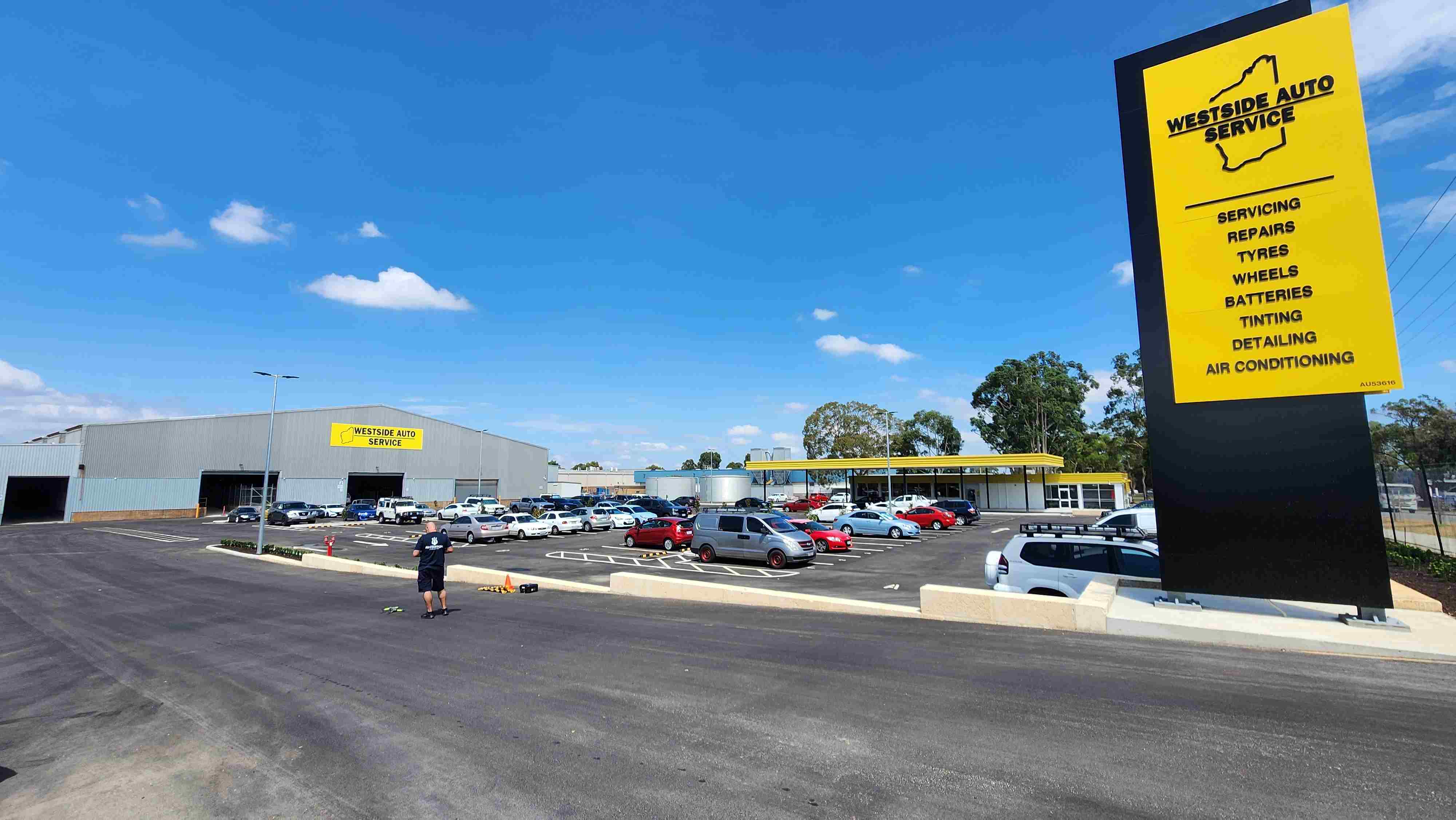
At Westside Auto, our experienced technicians can assess your braking system, check for signs of wear, and recommend any repairs or maintenance your vehicle may need. A professional inspection can help ensure your brakes respond properly in changing road and weather conditions. With your braking system checked before you leave, you can focus on enjoying the journey with greater peace of mind.