

“I’ll just get my tyres checked next month when I’m due for an oil change.”
It’s a familiar thought for many drivers. You've probably said that a few times. After all, when a few maintenance needs start piling up, taking care of everything in one visit can seem like the most convenient approach. We often notice small changes in our vehicles during everyday driving but tend to put them off until they feel serious enough to warrant attention. If it doesn’t seem too bad yet, it can be easy to think it’s not worth making a trip to the mechanic.
As vehicles age and travel more kilometres, some level of wear and tear is inevitable. But that doesn’t mean drivers have to wait until their next car service to start paying attention.
The reality is, knowing your car well can help you recognise when something changes before it develops into a larger problem. A few quick checks between services, from keeping an eye on tyre pressure to noticing an unfamiliar sound or warning light, can go a long way towards keeping your vehicle in good condition.
At Westside Auto, we believe that being a confident driver also means becoming more familiar with the vehicle you drive. You don’t need to diagnose every problem yourself, but understanding what looks, sounds, and feels normal can give your mechanic valuable information when something isn’t quite right.
So, what are the things mechanics wish drivers checked more often? Let’s take a look:
Engine Oil Level
Engine oil plays a vital role in lubricating moving parts, managing heat and protecting the engine from unnecessary wear. While oil is usually checked and replaced during a regular car service, the level can change between appointments due to normal consumption, possible leaks, or developing engine issues.
Checking the dipstick occasionally can help you notice if the level is getting low before it becomes a bigger problem. If you find yourself topping up the oil regularly, let your mechanic know. A consistently dropping oil level may be worth investigating rather than simply refilling.
Tyre Pressure
Remember: tyres do not have to look flat to be underinflated. Tyre pressure can gradually drop over time and driving with too little or too much air can affect handling, fuel efficiency, and how the tyres wear.
Checking tyre pressure regularly, particularly before a long drive, is a simple habit that can make a noticeable difference. Use the pressure recommended by your vehicle manufacturer rather than relying on the maximum figure printed on the tyre itself. If one tyre repeatedly loses pressure faster than the others, it may also be worth mentioning at your next car service.
Tyre Tread and Uneven Wear
Pressure is only part of the tyre check. Taking a closer look at the tread can reveal signs of uneven wear, cracking, bulges, or other damage that may otherwise go unnoticed.
Wear concentrated on one side of a tyre or appearing differently across the vehicle can sometimes point to issues with wheel alignment, tyre pressure, or suspension components. You do not need to determine the cause yourself. Simply spotting that something looks different gives your mechanic useful information to investigate during an inspection.
Coolant Level
Your cooling system works hard to keep the engine operating within a safe temperature range, making coolant especially important during warmer Australian conditions and longer drives.
When the engine is completely cold, occasionally check that the coolant reservoir is sitting within the recommended level markings. A small change may not immediately indicate a serious issue, but repeated coolant loss should not be ignored. If the level keeps dropping, have the system inspected by a mechanic rather than continuing to top it up. And please, never remove a pressurised cooling-system cap while the engine is hot.
Dashboard Warning Lights
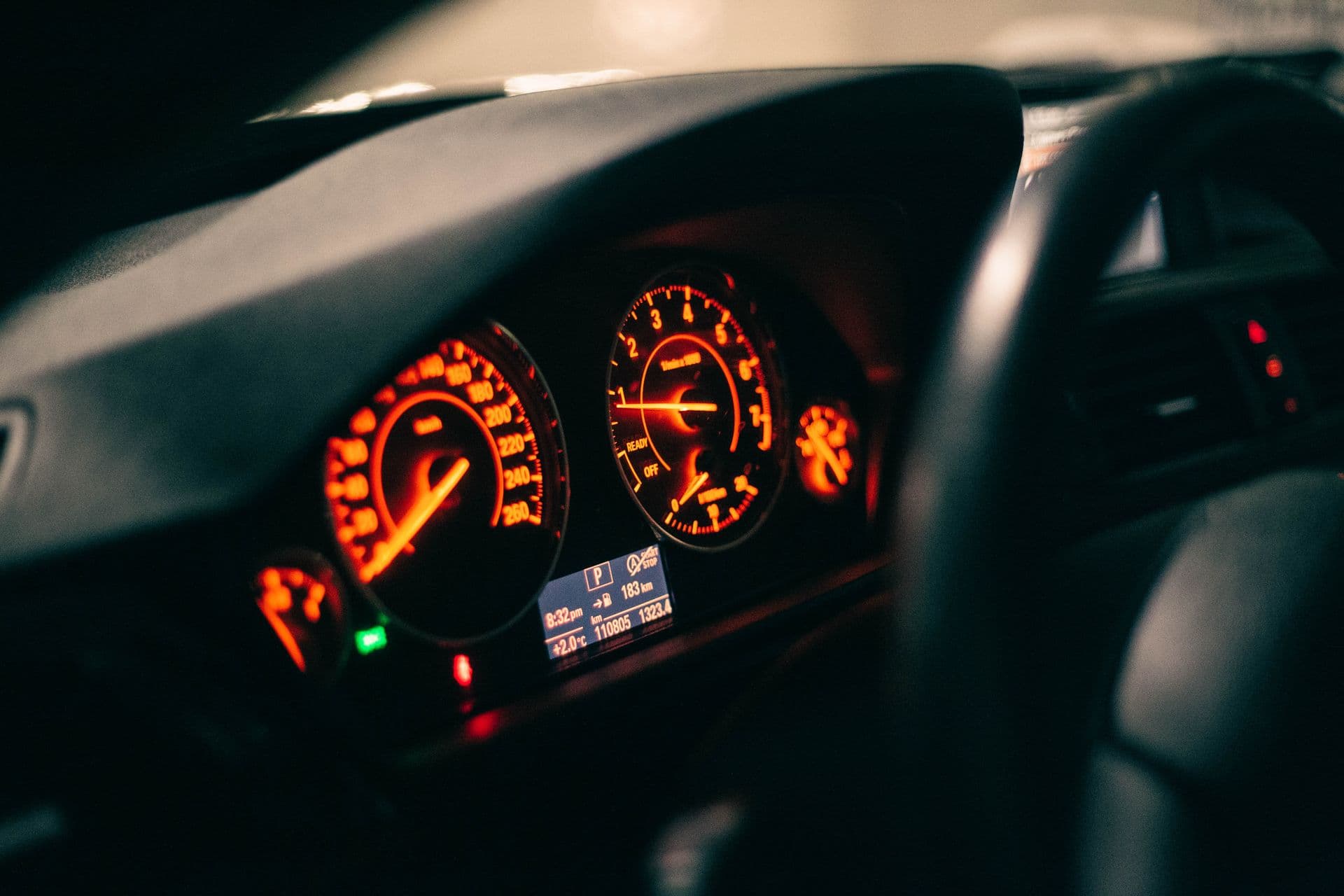
A warning light is one of the clearest ways your vehicle can tell you that something needs attention, yet it can be easy to keep driving when the car still appears to be running normally.
Some dashboard lights simply illuminate briefly when the vehicle starts, while others remaining on can indicate a fault or maintenance requirement. Pay attention to when the light first appeared and whether anything else changed at the same time. Sharing those details with your mechanic can provide valuable clues when diagnosing the problem.
Red or urgent warning lights should be treated according to the vehicle manufacturer's instructions.
Brakes that Feel or Sound Different
Drivers are of course not expected to inspect their own braking components, but they can pay attention to how the brakes feel and sound from behind the wheel.
New squealing or grinding noises, vibration when braking, a change in pedal feel or the vehicle taking longer to stop are all signs worth taking seriously. Because braking performance can change gradually, these differences are sometimes easier to recognise when you are familiar with how your car normally behaves.
If something feels unusual, arrange for a mechanic to inspect it rather than waiting until the next scheduled service.
Fluid Leaks Under the Car
Every so often, look at the ground where your car has been parked. A new puddle, stain, or oily patch can be an early sign that a fluid is escaping somewhere in the vehicle.
Not every puddle means there is a problem.
Clear water from the air-conditioning system, for example, can be completely normal. However, those oily, dark-coloured, or unusually strong-smelling fluids deserve closer attention. Taking a quick photo and noting where the fluid appeared beneath the vehicle can also give your mechanic useful information when you bring the car in.
Battery Behaviour
You do not need specialist equipment to notice some of the early signs of a weakening battery. The vehicle taking longer to start, slower engine cranking, or changes in electrical behaviour can all indicate that something is beginning to deteriorate.
Battery performance can decline gradually, which means warning signs are easy to overlook until the vehicle refuses to start altogether. If starting begins to feel different, especially after the car has been sitting unused or as the battery gets older, mention it during your car service so the battery and charging system can be checked.
Lights, Wipers, and Windscreen Conditions
These are some of the easiest checks drivers can perform themselves, but they are often forgotten until visibility is already affected.
Regularly check that your car’s headlights, brake lights, and indicators are operating properly. Pay attention to whether the wipers are leaving streaks, skipping across the windscreen or struggling to clear water effectively. Windscreen chips, cracks, and an empty washer-fluid reservoir are also worth noticing early.
Small checks like these can make a significant difference when driving at night or in poor weather.
Changes in How the Car Drives
One of the most useful things you can do for your mechanic is simply pay attention to your car. You drive it regularly, so you are often the first person to notice when something begins to change.
Those new vibrations, unusual noises, steering that starts pulling to one side, rough idling, different acceleration, unfamiliar smells, or a sudden change in fuel consumption can all be useful clues. You do not have to know what is causing the problem. Being able to tell your mechanic what changed, when you first noticed it and under what conditions it happens can make diagnosing an issue much easier.
Why These Checks Don’t Replace a Regular Car Service
Yes, regular car servicing is essential, but keeping an eye on these areas between services can help you notice when something has changed. While these checks are never a substitute for professional maintenance, knowing your car well and recognising the early signs of a problem can help prevent smaller issues from becoming bigger ones.
Notice anything different > tell your mechanic > Easier for the mechanic to do an inspection and do the right service for your car.
A regular car service gives your mechanic the chance to inspect parts and systems that are not always obvious from the driver’s seat, including brakes, suspension, fluid condition, belts, hoses and other components that may show signs of wear over time. By combining regular servicing with simple checks at home, you can stay more aware of your car’s condition and give your mechanic a clearer picture of anything that may need attention.
Let Your Mechanic Take a Closer Look
Drivers do not need to diagnose every unusual noise and warning light there is. Especially when you buy a used car, there will be moments that it will not be in perfect condition as you hope it to be.
While knowing the little things matter, it's still best to get it checked by professionals. If your car is due for service, or you have noticed something that does not seem quite right, the best suggestion would still be to book a car service.
Here at Westside Auto, our service team can take a closer look at your car, carry out the required maintenance, and help identify what may be causing the issue, whether it turns out to be something minor or something that needs more attention. Having your vehicle inspected sooner rather than later can also give your mechanic the opportunity to assess any developing concerns before they become more difficult to manage.
A regular car service is also a good opportunity to raise anything you have noticed while driving, from unusual noises and warning lights to changes in handling or performance. Even small details can give your mechanic useful context and help build a clearer picture of what your car may need.