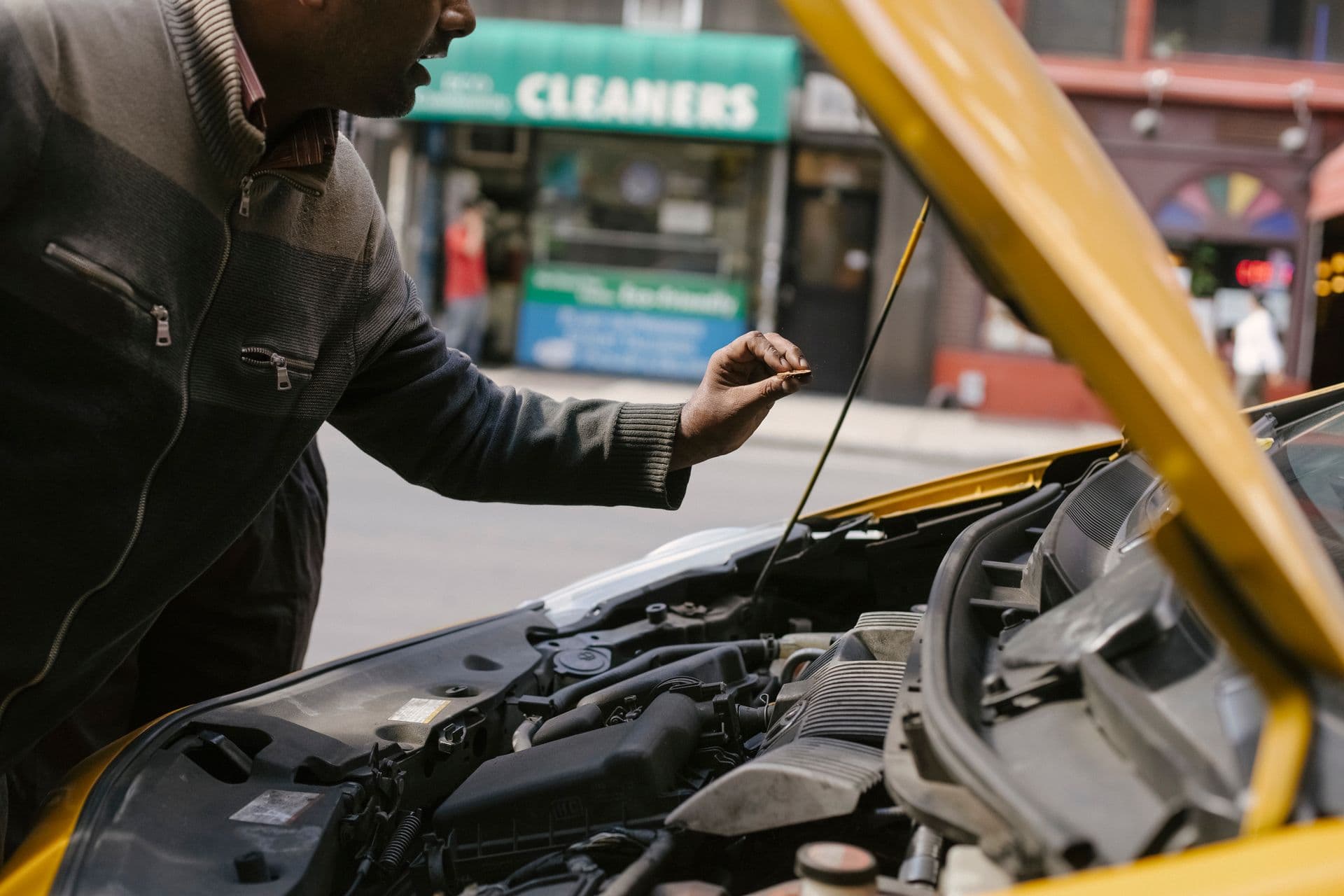


You've just paid for an A/C re-gas, expecting cold air, but instead you get something that barely feels cooler than outside. If this sounds familiar, you're dealing with a common misconception about how air conditioning actually works. Most people think low refrigerant equals weak cooling, so adding more refrigerant should fix everything. In reality, refrigerant is just one part of a complex system. If other components aren't working properly, fresh refrigerant won't solve the problem.
Here's what experienced technicians check when the usual quick fix doesn't deliver results.
1. Re-gas Isn't a Universal Fix
A properly sealed A/C system holds its refrigerant for years. If you need frequent top-ups, there's a leak somewhere. No amount of new refrigerant will permanently fix a leaking system.
What professionals do differently: They use manifold gauges to read high and low-side pressures. These readings reveal what's actually malfunctioning, not just what's missing. Many quick-service places skip this step and just add refrigerant based on guesswork.
2. Compressor Internal Wear
Your A/C compressor contains pistons, valves, and seals that wear out gradually over time. Even when the compressor appears to be running, internal components can fail in ways that prevent proper pressure buildup.
Common internal failures:
- Reed valves that no longer seal properly
- Worn piston rings allowing pressure to equalize
- Clutch problems causing intermittent operation
How technicians spot this: Pressure readings show high side too low and low side too high. This indicates internal leakage that refrigerant alone cannot fix.
3. Expansion Valve Problems
The expansion valve controls refrigerant flow into the evaporator based on temperature feedback. When it malfunctions, the entire system's efficiency drops.
Failure modes:
- Stuck open allows too much refrigerant through, reducing cooling
- Stuck closed restricts refrigerant flow, starving the system
- Contamination from metal particles blocks the small opening
Important detail: Finding metal debris here often indicates compressor wear, meaning you're looking at a larger repair than just valve replacement.
4. Condenser Heat Rejection Issues
The condenser removes heat from refrigerant before it returns to the compressor. Road debris, corrosion, and internal restrictions can significantly reduce its effectiveness.
What reduces condenser performance:
- Bent or damaged fins from road debris
- Salt corrosion creating small leaks
- Internal blockages from oil breakdown
Professional diagnostic: Technicians measure temperature drop across the condenser. Insufficient temperature drop means poor heat rejection, regardless of refrigerant level.
5. Cooling Fan Performance
Cooling fans are essential for condenser operation, especially during idle or low-speed driving. Fan problems often go unnoticed because they may still appear to run normally.
Hidden fan issues:
- Variable speed fans running too slowly
- Temperature sensors triggering fans too late
- Damaged shrouds reducing airflow efficiency
Advanced check: Professionals measure actual fan RPM, not just whether it spins. A fan operating at reduced speed looks fine but moves insufficient air.
6. Evaporator Efficiency Problems
The evaporator, located behind your dashboard, absorbs heat from cabin air. Several conditions can reduce its ability to transfer heat effectively.
Performance killers:
- Ice formation from moisture blocking airflow
- Oil coating insulating coils from heat transfer
- Corrosion from acids formed when moisture contacts refrigerant
Technical measurement: A functioning evaporator creates a 20-30°F temperature drop across its coils. Less than this indicates problems beyond refrigerant quantity.
7. Moisture Contamination
Water in the A/C system causes multiple problems that adding refrigerant cannot solve. Even small amounts of moisture can severely impact system performance.
How moisture damages systems:
- Creates acids that corrode aluminum components
- Freezes in expansion valves during operation
- Breaks down refrigerant oil into sludge
Why proper service matters: Complete A/C service requires evacuating the system to remove moisture before adding new refrigerant. Simply topping off refrigerant leaves moisture and its associated problems.
8. Incorrect Refrigerant Quantity
Counterintuitively, too much refrigerant causes as many problems as too little. Overcharging can actually reduce cooling performance while stressing system components.
Overcharging problems:
- Liquid refrigerant reaching the compressor, potentially causing damage
- Reduced heat rejection in the condenser
- Higher operating pressures throughout the system
Professional practice: Technicians charge systems by weight using recovery equipment, ensuring precise refrigerant quantities rather than estimating.
9. Airflow Delivery Issues
Sometimes the A/C system works correctly, but cold air doesn't reach the cabin effectively. These problems are often mistaken for refrigerant issues.
Common airflow problems:
- Severely clogged cabin air filters
- Blend door actuators stuck between positions
- Leaks in ductwork behind the dashboard
- Blower motor operating at reduced capacity
Simple test: Check temperature at different vents. Significant variation indicates airflow problems rather than refrigerant issues.
The Complete Picture
Weak A/C performance after re-gas indicates system problems beyond refrigerant quantity. Professional diagnosis involves pressure testing, temperature measurements, and component inspection rather than simply adding refrigerant.
For car owners:
- Request complete A/C system analysis rather than just re-gas
- Understand that proper service includes evacuation and precise charging
- Recognize that frequent refrigerant needs indicate leaks requiring repair
A comprehensive approach addresses root causes instead of repeatedly treating symptoms, ultimately saving money and ensuring reliable cooling performance.