

Overview
Every car owner in Australia eventually faces the same uncomfortable question: is it time to let go, or does the old girl still have some kilometres left in her? Whether you're nursing a high-mileage hatchback through another Sydney winter or weighing up whether your ageing ute deserves yet another trip to the mechanic, this guide walks you through the decision from every practical angle. It covers the natural life cycle of a vehicle, how to cut through the emotion, what warning signs to take seriously, how to gather the right information, and what a sensible plan forward actually looks like, all grounded in Australian conditions, costs, and common sense.
Deciding when to part ways with an ageing vehicle and when to persist with repairs is one of the most common dilemmas faced by Australian car owners. Most people reach a point where their reliable old car starts showing consistent signs of wear, prompting the question: is it worth continuing to maintain it, or is the time right to move on to something more dependable?
It is a decision that sits at the crossroads of practicality and personal circumstance. Fuel costs, registration fees, comprehensive insurance premiums, and the price of parts and labour have all risen considerably in recent years, making the financial side of this equation more pressing than ever. At the same time, the used car market in Australia has remained tight, meaning trade-in values can be reasonable and a good replacement is not always easy to find at short notice.
This is not a decision to make in the driveway after a frustrating breakdown, nor one to make purely on a spreadsheet. It requires an honest look at the vehicle, a clear sense of your own needs and finances, and a willingness to plan rather than react.
Understanding a Car's Natural Life Cycle
Cars, like any mechanical tool, follow a natural life cycle, and understanding where your vehicle sits within that cycle is the foundation of any sensible repair-or-replace decision.
In the early years, issues tend to be routine and inexpensive: brake pads and rotors, tyres, coolant flushes, timing belt replacements at scheduled intervals, and minor wear items. A competent owner who services regularly during this phase can extend a car's working life considerably. Australian conditions add particular stress here. Extreme heat across much of inland and northern Australia accelerates rubber degradation, coolant breakdown, and battery wear, while coastal salt air encourages rust far earlier than many owners expect.
As the years accumulate and the odometer climbs past the 150,000 to 200,000 kilometre mark on most vehicles, problems shift in character. Suspension bushings, shock absorbers, and ball joints wear. Automatic transmissions that have never been serviced begin to slip or shudder. Air-conditioning systems, essential in most Australian climates rather than a luxury, develop leaks or compressor failures. Electrical gremlins creep in, with sensors, window regulators, and central locking systems starting to misbehave.
Beyond that, and particularly in vehicles approaching or exceeding 250,000 kilometres or twenty years of age, a vehicle can enter what experienced mechanics describe as a "cascade failure" phase. This is where multiple major systems deteriorate simultaneously or in close succession. You fix the gearbox, and a month later the power steering pump gives up. You sort the power steering and the radiator cracks. Each repair is defensible in isolation, but together they represent a pattern that rarely reverses. Recognising this phase, rather than treating each failure as a one-off bad-luck event, is critical to making a clear-eyed decision.
Cutting Through the Emotional Attachment

It is worth acknowledging upfront that emotional attachment to a car is entirely normal. A vehicle carries memories, first solo drives on a country road, family holidays to the coast, the commute through a particular chapter of life. These associations are real and meaningful. The problem arises when those feelings drive financial decisions that serve the car rather than the person who owns it.
The first step is to distinguish between genuine sentiment and habitual familiarity. Most daily drivers do not carry irreplaceable sentimental value, they carry accumulated history that feels significant because of the time spent in them. That history belongs to you, not to the vehicle. Moving on to a different car does not erase those memories. A car is a tool for getting from one place to another reliably and safely. Treating it as anything more can lead to costly decisions made from loyalty rather than logic.
There are exceptions. A vehicle with genuine heirloom status, say a grandparent's old HQ Holden or a father's Series II Land Rover, might warrant preservation as a special-occasion car, stored properly and driven sparingly. In that case, it is functioning as a keepsake, not as transport, and should be budgeted and maintained accordingly as a separate matter from your daily driving needs.
For everyone else, the question deserves a businesslike answer.
Rigid statements such as "I'll never take out a car loan again" or "I'm going to drive this thing until the wheels fall off" often lead to reactive rather than considered choices. These declarations can trap owners into expensive commitments or, conversely, into premature disposals driven by a moment of frustration. Neither serves you well.
Building a Realistic Plan
Rather than approaching the decision as a binary choice made under pressure, it helps enormously to build a clear plan ahead of time, ideally before a major breakdown forces your hand.
Start by asking yourself what timeframe you are working with.
- Are you trying to keep the car running for another twelve months while you save a deposit?
- Are you two years from finishing a mortgage and then planning to reassess?
- Is there a specific life event, children finishing school, a move interstate, retirement, that represents a natural transition point?
Tying the car's future to a defined period gives your maintenance decisions a shape and a purpose.
A three-to-five year plan for an older vehicle is often the most sensible structure. Within that window, you invest in repairs that are likely to deliver reliable service throughout the period, while avoiding expenditure on items that will not materially improve day-to-day dependability. The plan also gives you time to save for a replacement without urgency, which almost always leads to a better purchasing decision.
Without this kind of structure, owners tend to fall into an open-ended cycle, spending money reactively on one repair after another, with no clear sense of when enough is enough. That cycle is both financially draining and emotionally wearing.
Gathering the Right Information
Sound decisions require solid information, and there are three distinct areas worth investigating thoroughly before committing either way.
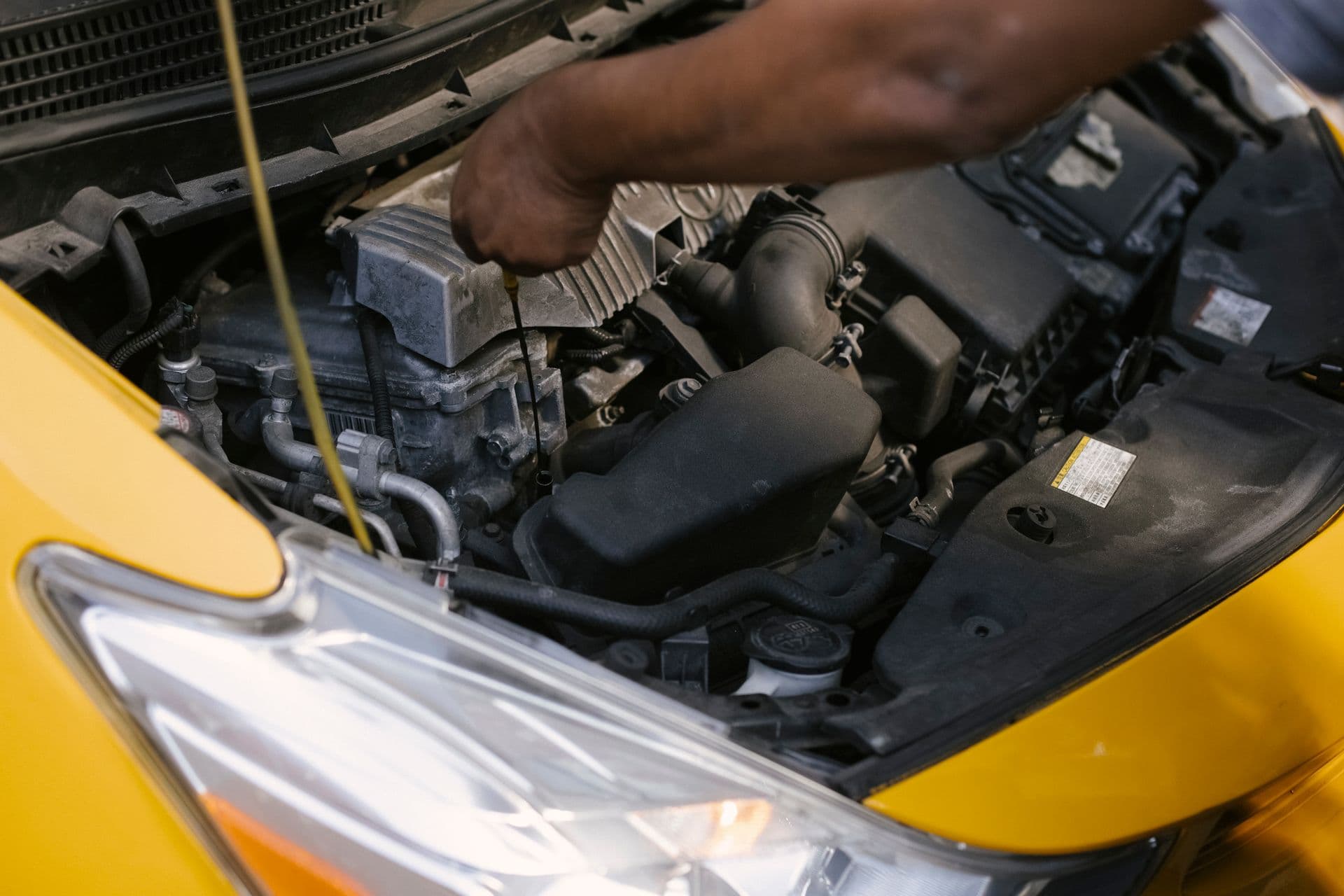
A thorough mechanical inspection is the starting point. This means taking the car to a mechanic you trust, not one who tells you what you want to hear, and asking for a complete, written assessment of everything that needs attention now and everything likely to need attention within the next twelve months. Be specific: ask them to rate items by urgency and safety impact. A good pre-purchase inspection provides exactly this kind of independent, structured assessment and is well worth the cost even if you already own the car. You need the full picture, not a filtered version of it. (Westside Auto Car Servicing and Repairs)
The vehicle's current market value is the second piece of the puzzle. Look for reliable companies or organisations to get a realistic read on what your vehicle would fetch in a private sale and as a trade-in. Remember that these are not the same number. Private sales typically yield considerably more, but require your time and effort. If you choose to sell privately, being transparent about known faults is both legally sound and practically sensible, as buyers who discover undisclosed problems after purchase create expensive disputes. A rough guide: if the cost of repairs required to make the car roadworthy and dependable exceeds fifty to sixty per cent of its current private sale value, moving on is almost always the stronger financial position. (Westside Auto Car Valuation)
Alternatives in the current market deserve careful research. What does a comparable vehicle, similar age, make, and capability, actually cost to buy right now, and what is its likely reliability profile? Are there newer models with manufacturer warranties or used-car warranties still in play? What do ongoing running costs look like compared to your current vehicle, covering fuel consumption, insurance ratings, and service intervals? The Australian used car market has seen elevated prices since the supply disruptions of recent years, so do not assume a replacement will be cheap or easy to find quickly. Build that research time into your decision-making process. (Westside Auto car List)
The True Cost of Running an Older Vehicle
One area where Australian car owners frequently underestimate their position is the true all-in cost of running an ageing vehicle. Most people focus on the immediate repair bill and weigh it against a new monthly payment, but this comparison misses much of the picture.
A realistic cost assessment for an older car should include the following.
- Registration and CTP insurance costs do not reduce as a car ages. Compulsory Third-Party premiums in states like New South Wales and Queensland are significant, and they are payable regardless of the car's condition or reliability.
- Comprehensive insurance on older vehicles can work against you in two ways. Some insurers offer very low agreed values, meaning a write-off payout barely covers a replacement. Others charge inflated premiums on agreed-value policies for vehicles with sentimental or modified value. Know exactly what you would receive in a total loss scenario before assuming you are adequately covered.
- Fuel consumption is a cost that compounds quietly over time. Older vehicles, particularly those predating direct injection and modern transmission calibration, typically use considerably more fuel per hundred kilometres than their newer equivalents. At current Australian fuel prices, this difference across fifteen to twenty thousand kilometres a year is meaningful and worth calculating directly rather than estimating.
- Lost income and opportunity cost is the cost most consistently overlooked. Every day a vehicle is in the workshop is a day you may have needed a hire car, taken time off work to arrange transport, or simply dealt with significant inconvenience. Frequent breakdowns are not just expensive to repair, they carry real downstream costs that rarely appear in the mental accounting people do at the time.
- Depreciation trajectory is the final piece. A car approaching the end of its reliable service life depreciates sharply, and money spent on repairs at this stage does not translate proportionally into preserved value. A $3,000 transmission repair on a car worth $5,000 does not produce an $8,000 car.
Clear Warning Signs That Point Toward Replacement
While every situation carries its own nuances, certain conditions represent strong indicators that continued investment is unlikely to be rewarded.
Advanced structural rust is the clearest of these. Surface rust in non-structural areas, common on older vehicles in coastal Queensland, New South Wales, and Victoria, can often be managed with proper treatment and protective coatings. But rust that has penetrated the chassis rails, floor pan, firewall, or unibody structure is a fundamentally different matter. Welding and patching can address visible sections, but corrosion of this kind is rarely confined to what you can see. It compromises crash safety and reappears elsewhere. Vehicles with serious structural rust are, for all practical purposes, at the end of their serviceable life.
Heavily modified vehicles where aftermarket changes are failing or unsupported create layered complications. Non-standard engine conversions, suspension lifts with mixed components, or electrical modifications carried out without proper documentation make diagnosis harder, parts harder to source, and insurance and registration implications more complicated. When the modifications themselves begin to fail, the repair pathway is rarely straightforward.
Vehicles where manufacturer support has effectively ended, typically models more than twenty to twenty-five years old where new replacement parts are no longer available from the manufacturer or from reliable aftermarket suppliers, become impractical as daily transport. This threshold varies significantly by make and model. Some Japanese vehicles from the 1990s retain excellent parts availability through specialist importers, while others have become genuinely difficult to service. Know where your vehicle sits before committing to further expenditure.
Salvage-titled or previously written-off vehicles rarely return to full original condition regardless of the quality of the repair work carried out. In Australia, written-off vehicles are recorded on the PPSR (Personal Property Securities Register), and statutory write-off designations cannot be cleared. Repairable write-offs can be re-registered after passing a statutory inspection, but hidden structural or mechanical issues often surface over time. Ongoing handling anomalies, electrical unpredictability, and parts fitment problems are common. These vehicles are best avoided as primary transport.
Repeated failures of the same system, particularly after professional repair, suggest either a deeper underlying issue or repair work that addressed a symptom rather than a cause. When a particular component fails two or three times within a short period, the car is communicating something worth listening to.
Good decisions in this area are almost never made quickly. The worst outcomes, overpaying for a rushed replacement or committing to a large repair on a car that proceeds to fail in a different way three months later, consistently stem from pressure and impatience.
If a breakdown or a large repair quote has triggered the question, give yourself at least forty-eight hours before acting. Write down the facts as you know them. Talk to a mechanic you trust, not just the one who handed you the bill. Speak to someone who knows your financial situation and has no stake in the outcome. Revisit the decision with fresh eyes.
Patience at this juncture consistently produces better outcomes than urgency.

When you have gathered the mechanical assessment, understood the market position, researched alternatives, and sat with the decision for a few days, the answer is usually clearer than it felt at the outset.
If the vehicle is structurally sound, the required repairs are well-defined and proportionate to its value, the parts are available and affordable, and you have a clear timeframe for keeping it, then maintaining it is often the more financially conservative choice, provided you go in with eyes open about what you are committing to.
If the vehicle has passed into cascade failure territory, shows structural or safety concerns that cannot be economically resolved, requires repairs that approach or exceed its value, or depends on parts that are no longer reliably available, then the clearest and most practical course of action is to move on.
The goal, ultimately, is transport that supports your daily life without constant disruption. That standard, reliability, safety, and peace of mind, should sit at the centre of the decision, not loyalty to a machine.
Frequently Asked Questions
1. At what mileage should I consider replacing my car rather than repairing it?
There is no universal kilometre threshold that applies to all vehicles. A well-maintained Toyota HiLux or LandCruiser can remain entirely dependable well past 400,000 kilometres, while a less robustly engineered vehicle might become uneconomical to maintain at 180,000 kilometres. The relevant question is not the number on the odometer but the condition of the vehicle relative to its type, service history, and the cost of the work it currently needs. High kilometres on a well-serviced car are often far preferable to low kilometres on a neglected one.
2. How do I know if a repair quote is fair?
Get at least two written quotes for any repair, and make sure both quotes specify the parts being used, whether original equipment manufacturer (OEM), genuine, or aftermarket, as this affects both price and longevity. For major work such as engine or transmission rebuilds, three quotes is reasonable. Independent mechanics affiliated with reputable industry bodies in your state generally offer a reliable starting point. If quotes vary significantly, ask each mechanic to explain what their price includes.
3. Is it worth spending money on a car I plan to sell soon?
It depends on what the repair is and how it affects sale price and legal exposure. In Australia, private sellers are generally protected from minor undisclosed faults under the "buyer beware" principle, but deliberately concealing a known safety defect or serious mechanical problem can attract legal consequences under Australian Consumer Law. More practically, a car that cannot pass a basic roadworthy inspection, required for registration transfer in most states, will either need the work done or be sold unregistered at a significant discount. Run the numbers honestly before deciding.
4. What is the fifty per cent rule and should I follow it?
The commonly cited "fifty per cent rule", replace the car if a single repair exceeds fifty per cent of its current market value, is a reasonable rule of thumb but not an absolute law. Context matters considerably. If the repair addresses the single significant issue on an otherwise sound vehicle, and completing it delivers several more years of reliable service, the expenditure may be justified even if it exceeds fifty per cent. Conversely, if the car is in cascade failure and this is simply the latest in a series of expensive repairs, fifty per cent is arguably too generous a threshold.
5. Should I repair my car before trading it in?
Generally, no, unless the repairs are minor and inexpensive, or the fault makes the vehicle unable to be driven to the dealership. Dealers price trade-ins based on the cost of preparing a vehicle for resale, and they will discount the trade-in value for known faults regardless of whether you have disclosed them or not. Spending $1,500 on a repair to improve a trade-in offer rarely produces a corresponding $1,500 increase in the offer. A private sale is a different matter, where presenting a mechanically sound vehicle typically does yield a meaningfully better price.
6. How do Australian conditions specifically affect vehicle longevity?
Significantly. UV exposure in most Australian cities degrades rubber seals, hoses, and interior plastics faster than in many Northern Hemisphere countries for which vehicle design is primarily optimised. Heat accelerates oil breakdown and battery wear. Coastal environments, particularly in Queensland, much of New South Wales, and Western Australia, promote rust on bodywork, brake components, and exhaust systems earlier than inland equivalents. Unsealed roads in rural and regional areas wear suspension components harder. These factors mean that Australian vehicles of the same age and kilometre reading as European or North American equivalents are often in comparatively worse condition in specific areas, and the inspection process should account for this.
7. What checks should I run on a potential replacement vehicle?
Always run a PPSR check to confirm the vehicle has no money owing, has not been reported stolen, and is not a statutory write-off. This costs around $2 and is non-negotiable. Beyond that, a pre-purchase inspection provides a thorough mechanical and structural assessment. Check the vehicle's service history where possible, and research the known reliability profile of the specific model through forums and owner communities, which often surface recurring issues more candidly than manufacturer documentation.
8. Is financing a replacement car always worse than paying for repairs outright?
Not necessarily. The comparison that matters is the total cost of each path over a defined period. If repairing your current vehicle costs $4,000 now with a reasonable expectation of further significant costs within twelve months, and a financed replacement adds $350 per month but eliminates repair unpredictability and comes with a warranty, the financed option may well be the more cost-effective choice over two to three years. The relevant variable is not whether finance involves paying interest, it does, but whether the overall outlay and risk profile across the comparison period favours repair or replacement.
9. How do I handle the situation if my car breaks down in a regional or remote area?
This is a real consideration for many Australians, particularly those whose work or lifestyle involves regular travel in areas with limited roadside assistance coverage. In remote areas, a breakdown is not just expensive, it can be genuinely dangerous. If your vehicle has already demonstrated unreliability and your situation requires regular travel on remote roads, the reliability argument for replacement carries additional weight beyond the financial calculation. Membership in a state motoring club with reciprocal interstate coverage provides a baseline of protection, but it is not a substitute for a vehicle that can be trusted to complete the journey.
10. What should I do if I cannot afford to repair or replace the car right now?
Start by getting a full written mechanical assessment so you know exactly what is critical and what can wait. Prioritise safety-related items, brakes, tyres, steering, and lighting, above everything else, as these affect not just your safety but your legal roadworthiness. For non-urgent items, obtain quotes and begin setting aside money specifically for those repairs. Some independent mechanics will negotiate payment plans for regular customers. If the vehicle is unregistered or unroadworthy, do not drive it, as the fines and liability exposure in the event of an accident are significant. In the meantime, explore whether public transport, car share services such as GoGet or Flexicar, or a short-term hire arrangement can bridge the gap while you work toward a longer-term solution.