

Overview
The Kia Sportage has earned its place as one of Australia's most sensible compact SUV choices, threading the needle between practicality and everyday appeal without ever trying too hard. The years between 2018 and 2024 tell an interesting story, a fourth-generation model (QL series) undergoing a mid-life facelift around 2020 before being replaced entirely, followed by a ground-up reinvention that arrived as the fifth generation (NQ5 series) for the 2023 model year. These aren't merely cosmetic changes from one year to the next; the engineering underneath matured considerably, the safety technology caught up with European rivals, and the introduction of hybrid powertrains gave urban buyers a legitimate reason to look beyond the traditional diesel.
Built on a shared platform with the Hyundai Tucson, the Sportage benefits from the economies of Hyundai-Kia's substantial engineering investment without feeling like a badge-engineered exercise. Each generation has been tuned with Australian conditions in mind, long highway stretches, occasional dirt tracks, the stop-start grind of city commuting, and the very real demand for school-run practicality. Kia's seven-year unlimited-kilometre warranty has also done much to build confidence among buyers who once considered Japanese nameplates the only safe bet in this segment.
What follows is an in-depth look at how the Sportage evolved year by year, what each version does well, where the compromises lie, and how to approach buying one on the used market.
Design and Styling
Fourth Generation (QL Series): 2018–2022

The fourth-generation Sportage (QL series) originally launched in 2016. By 2018, it was well established in the Australian market, and by 2020 Kia had delivered a mid-life facelift that was purposeful rather than dramatic. The front end received sharper headlamp clusters, a more aggressive lower bumper treatment, and revised fog lamp housings that gave the nose a wider, more planted stance. At the rear, reshaped tail lamps and a tidied bumper brought the two ends into better visual harmony. It wasn't a reinvention, but it gave the Sportage a more contemporary edge at a time when segment competition from the Mazda CX-5, Toyota RAV4, and Mitsubishi Outlander was intensifying.
The signature tiger-nose grille remained intact, Kia's consistent brand anchor across the range, and the proportions stayed compact and approachable. Overall dimensions sat at roughly 4480 mm in length, 1855 mm in width, and 1635 mm in height, with 172 mm of ground clearance. That clearance figure is modest but adequate for the kinds of unsealed tracks many Australians encounter when heading to a campsite or exploring national park fire trails. It's not a serious off-roader, but it won't ground out embarrassingly either.
The 2018 and 2019 model years represented the pre-facelift fourth generation, with a solid lineup of petrol and diesel powertrains and a functional, well-organised cabin. Colour options like Clear White and Steel Grey were popular, complementing the body's clean surfacing without demanding chrome-heavy decoration. The 2020 facelift introduced optional LED lighting packages on higher-specification trims, a welcome addition given how much better LED headlamps perform on unlit rural roads. By 2021 and into 2022, the facelifted QL had reached a settled, mature state, with roof rails and privacy glass becoming standard on certain variants to maintain perceived value as the model headed toward replacement.
Inside the fourth-generation cabins, Kia took a clean, functional approach. Materials quality in entry-level S trims was honest rather than luxurious, firm plastics on the lower dash and reasonable cloth upholstery, but higher SX and GT-Line grades brought genuine improvement with soft-touch surfaces, contrast stitching, and leather seating. Ergonomics were well-considered, with the instrument cluster readable and the centre console laid out with minimal fussiness. Dual-zone climate control appeared on upper trims, a feature increasingly expected by Australian families navigating the climatic extremes of a Queensland summer or a Victorian winter.
Fifth Generation (NQ5 Series): 2023–2024


The fifth-generation Sportage (NQ5 series) arrived as a 2023 model year vehicle and was a proper step-change. Kia's 'Opposites United' design language, initially applied to the EV6 electric vehicle, translated into something genuinely distinctive on a family SUV. The body grew to approximately 4660 mm in length, bringing increased interior room while giving the exterior a more commanding road presence. The front end features boomerang-shaped daytime running lights that curve dramatically through the bumper, and the bonnet line rises to meet a wide, sculpted grille that looks more assertive than anything in the outgoing model's portfolio.
The wider stance is not merely visual. The longer wheelbase feeds directly into rear passenger space, and the rear doors open to a wide angle for easier child-seat installation, a small detail that parents notice quickly. Ground clearance across standard grades sits at around 182 mm, while the X-Line variants push this to 216 mm with additional body cladding, all-terrain tyres, and visual reinforcements that hint meaningfully at light off-road capability without overpromising.
The 2023 model year brought the full NQ5 range to Australia, including hybrid variants from launch. Premium colour options like Wolf Grey appeared on GT-Line trims, and the ambient lighting palette inside gave evening driving a more polished atmosphere. By 2024, LED projector headlamps became standard across the entire range rather than reserved for higher grades, a meaningful improvement in safety and practicality for country driving. Optional panoramic sunroofs remained available on upper trims, flooding the cabin with natural light on the kind of clear, high-UV Australian days where you'd otherwise leave it closed.
Inside the fifth-generation model, the shift in quality ambition is immediately apparent. Horizontal layering across the dashboard creates a sense of width, and the centrepiece dual-screen setup, two 12.3-inch displays running seamlessly side by side, looks contemporary without becoming overly complicated to operate. Soft materials wrap around surfaces that hands and elbows actually touch, and the GT-Line's quilted leather seating adds a dimension of refinement that was previously absent from this price bracket in the segment. (Kia Sportage Dimensions)
Powertrains and Performance
Petrol and Diesel: 2018–2022 (Fourth Generation)

The powertrain range available to Australian buyers across the fourth-generation QL era covered the conventional bases competently. The headline engine was the 2.0-litre turbo-diesel producing 136 kW and a substantial 400 Nm of torque, mated to an eight-speed automatic transmission. For a vehicle used regularly for towing a small boat or camper trailer, this combination works well. The torque arrives low in the rev range, the eight-speed gearbox shuffles ratios smoothly on the highway, and the braked towing capacity of 1900 kg is adequate for a modest camper or horse float.
Fuel consumption on the diesel averaged around 6.3 L/100 km under mixed real-world conditions, which stacks up competitively for a vehicle of this size. The caveat is that this figure assumes reasonable highway driving. Buyers who purchase a diesel Sportage and then use it almost exclusively for short suburban trips, as many family SUV owners do, will find the diesel particulate filter (DPF) struggles to complete its self-cleaning cycle, leading to warning lights and, in more severe cases, expensive intervention. This is not unique to Kia; it's a characteristic shared across diesel SUVs of this era and worth understanding before choosing an oil-burning variant.
The 2.0-litre petrol at 114 kW and 192 Nm is a more modest performer, paired with either a six-speed automatic or a six-speed manual depending on specification. It's not a quick engine by any measure, but it pulls adequately for daily use and suits buyers whose SUV rarely strays far from sealed roads. The 2.4-litre petrol producing 135 kW and 237 Nm was available in select trims as a middle ground, more relaxed than the 2.0 petrol without the complexities of a diesel system, though it never achieved the popularity of the turbodiesel in the Australian market.
Suspension across all fourth-generation variants uses a multi-link rear arrangement, which contributes to the composed, comfortable ride the Sportage is known for. It's not sporty in the enthusiast sense, but it handles Australia's variable road surfaces, including the patchy bitumen common on regional roads, without jarring occupants or demanding constant steering corrections.
New Architecture: 2023–2024 (Fifth Generation)

The fifth generation's powertrain restructure reflected changes in the broader market and Kia's own ambitions. The 2.0-litre turbo-diesel continued in updated form at 137 kW and 416 Nm, paired with an eight-speed automatic, carrying over the towing credentials that Australian buyers value. The main talking point at launch was the new 1.6-litre turbocharged petrol engine producing 132 kW and 265 Nm, paired with a seven-speed dual-clutch transmission and available with all-wheel drive.
The 1.6 turbo offers noticeably more responsive performance than the outgoing 2.0 petrol naturally aspirated unit. The torque plateau arrives earlier and the engine sounds more willing when pushed during overtaking manoeuvres on two-lane country roads. The dual-clutch gearbox occasionally exhibits the hesitant, slightly jerky low-speed behaviour that is characteristic of this transmission type during slow car-park manoeuvring, which is worth experiencing on a test drive before committing. At highway speeds, however, it's entirely smooth and efficient.
The fifth generation also brought hybrid variants to Australia from the 2023 model year. The 1.6-litre turbo-petrol hybrid delivers 169 kW in combined output and achieves fuel consumption figures around 6.0 L/100 km under real-world conditions. More compelling for buyers within reach of a domestic power point is the plug-in hybrid, producing 195 kW combined and offering up to 56 km of electric-only range, enough to cover a typical school-and-work day in a capital city without burning a drop of petrol. When the battery is depleted, it reverts to conventional hybrid operation, so range anxiety on longer trips is eliminated.
Both hybrid variants use a six-speed automatic rather than the dual-clutch unit, delivering notably smoother around-town manners. The plug-in, in particular, has a different driving character to any previous Sportage, almost eerily quiet and effortless in electric mode, with the transition to petrol power smooth enough that passengers rarely notice it. By 2024, the hybrid and plug-in hybrid range was refined further, with adaptive cruise becoming standard across the board and Harman Kardon audio available on premium GT-Line grades.
Interior and Practicality

Fourth Generation Cabin: 2018–2022
The fourth-generation cabin offered 466 litres of boot space with all seats in use, expanding to 1455 litres with the rear seats folded. For a family carrying prams, sporting equipment, or flat-pack furniture from the local hardware store, this is a workable loadspace, though the shape isn't entirely square and some bulky items require creative loading. The rear seat accommodates three adults in the technical sense; three in practice is snug for any journey longer than across town.
Legroom for rear passengers is reasonable by compact SUV standards, and taller passengers will find adequate headroom in standard configurations. The post-facelift 2020 to 2022 updates progressively added leather options and heated front seats to higher trims, and the panoramic sunroof available on top-specification models gives the cabin a more open, expensive feel without fundamentally altering the space available.

Fifth Generation Cabin: 2023–2024
The dimensional growth in the NQ5 paid dividends where it matters. Boot capacity in non-hybrid variants rose to 543 litres with seats up and 1829 litres with seats down, a meaningful improvement over the fourth generation. The floor of the boot is relatively flat when the seats are folded, and the wide tailgate aperture makes loading awkward shapes less of an ordeal. Rear passenger space gained noticeably from the longer wheelbase, with headroom improved by the revised roofline.
Hybrid variants offered 586 litres in the boot, slightly more than the non-hybrid due to repositioned hardware, with a folded capacity of 1872 litres. Flat-folding rear seats are standard across the fifth generation, and families who regularly rearrange the interior for varied tasks will find the 60/40 split both quick and intuitive.
By 2024, USB-C ports replaced USB-A sockets more broadly throughout the cabin, reflecting the reality of the device ecosystem most Australian families now carry. Wireless smartphone charging became standard on more grades, eliminating the cable clutter that tends to accumulate on longer family trips.
Technology and Features
Fourth Generation Systems: 2018–2022
Across the fourth-generation range, Kia established a clear hierarchy of technology across trim levels. Entry-level S variants received a seven-inch touchscreen with reversing camera and cruise control, functional if unambitious. The SX grade stepped up to an eight-inch navigation system and added blind-spot monitoring and rear cross-traffic alert, features that make a tangible difference in suburban car parks and when changing lanes on the freeway.
GT-Line specification brought adaptive cruise control and a 360-degree camera system. Critically, autonomous emergency braking and lane-keep assist became standard across the entire range, not just reserved for higher trims, which contributed to the Sportage's five-star ANCAP safety rating and reflected genuine intent rather than mere compliance. The post-facelift 2020 models added Apple CarPlay as standard across the board, a well-received improvement over the earlier setup. The 2021 and 2022 model years added voice recognition to higher-specification variants and continued refining infotainment response times.
Fifth Generation Systems: 2023–2024
The dual 12.3-inch display setup introduced with the NQ5 was a significant upgrade in both function and presentation. The driver's digital instrument cluster and the central infotainment screen share a single uninterrupted housing, creating a wide visual interface that takes a few drives to fully calibrate around but ultimately delivers better readability than the separate, smaller screens of the previous generation.
Wireless Apple CarPlay and Android Auto arrived as standard, removing the frustration of hunting for a cable every time you get into the car. Kia Connect app integration allows remote pre-conditioning of the cabin, useful on a 40-degree day when you'd rather not open a door into a furnace. Over-the-air software updates mean infotainment improvements and bug fixes arrive without a dealer visit.
For 2024, adaptive cruise with stop-and-go capability became standard on the base model rather than a premium-grade feature, a meaningful shift given how much of Australian driving occurs in congested conditions. Hybrid variants feature an energy flow display that visualises power regeneration during braking, and premium GT-Line models added Harman Kardon audio as an option for those who care about in-cabin sound quality. Forward collision avoidance, rear cross-traffic alert, and driver attention warning feature throughout the range.
Reliability and Ownership
Kia's seven-year unlimited-kilometre warranty is the most significant ownership consideration in this segment, providing a coverage period that exceeds all Japanese competitors and most European ones. For used buyers, the transferable warranty element means a well-maintained example purchased within the warranty period still carries meaningful coverage, worth confirming at the time of purchase.
Drivetrains across both generations have proven durable under normal conditions. The diesel engines in the fourth generation are fundamentally sound units, though the DPF concerns mentioned above are real for urban-duty vehicles. EGR valve fouling is another issue that can emerge from the same short-trip usage pattern. Neither problem is catastrophic, but both require attention before they escalate, and a pre-purchase inspection that includes a diagnostic scan for stored fault codes is essential.
The dual-clutch transmission in the fifth-generation 1.6 turbo has attracted some owner commentary around low-speed hesitation, though outright failures have not been widespread. An extended test drive covering slow car-park manoeuvring alongside highway driving will reveal whether any given example exhibits pronounced behaviour. The fifth-generation hybrid and plug-in hybrid have, in ownership reports, been praised for smoothness and reliability.
Servicing intervals sit at 15,000 km or 12 months for most variants, generous by the standards of some European competitors who demand annual visits regardless of distance. Hybrid variants operate on a shorter schedule to maintain battery and electrical system health. Kia's dealer network coverage across Australia is reasonable for metropolitan buyers and improving in regional areas, though remote owners should factor in service distances when calculating the real cost of ownership.
Buying a Used Sportage: A Practical Guide
Where to Begin
The starting point for any used Sportage purchase is a PPSR (Personal Property Securities Register) check. This confirms there is no outstanding finance secured against the vehicle, no write-off history, and no reported theft, three issues that can invalidate your purchase or leave you carrying someone else's financial problem. It's an inexpensive step that should be non-negotiable.
Request the full service history and verify it against Kia's dealer records where possible. A vehicle with a complete, stamped logbook and dealer service history is worth prioritising, particularly because some warranty provisions depend on documented maintenance having been performed on schedule.
What to Inspect on Petrol Models
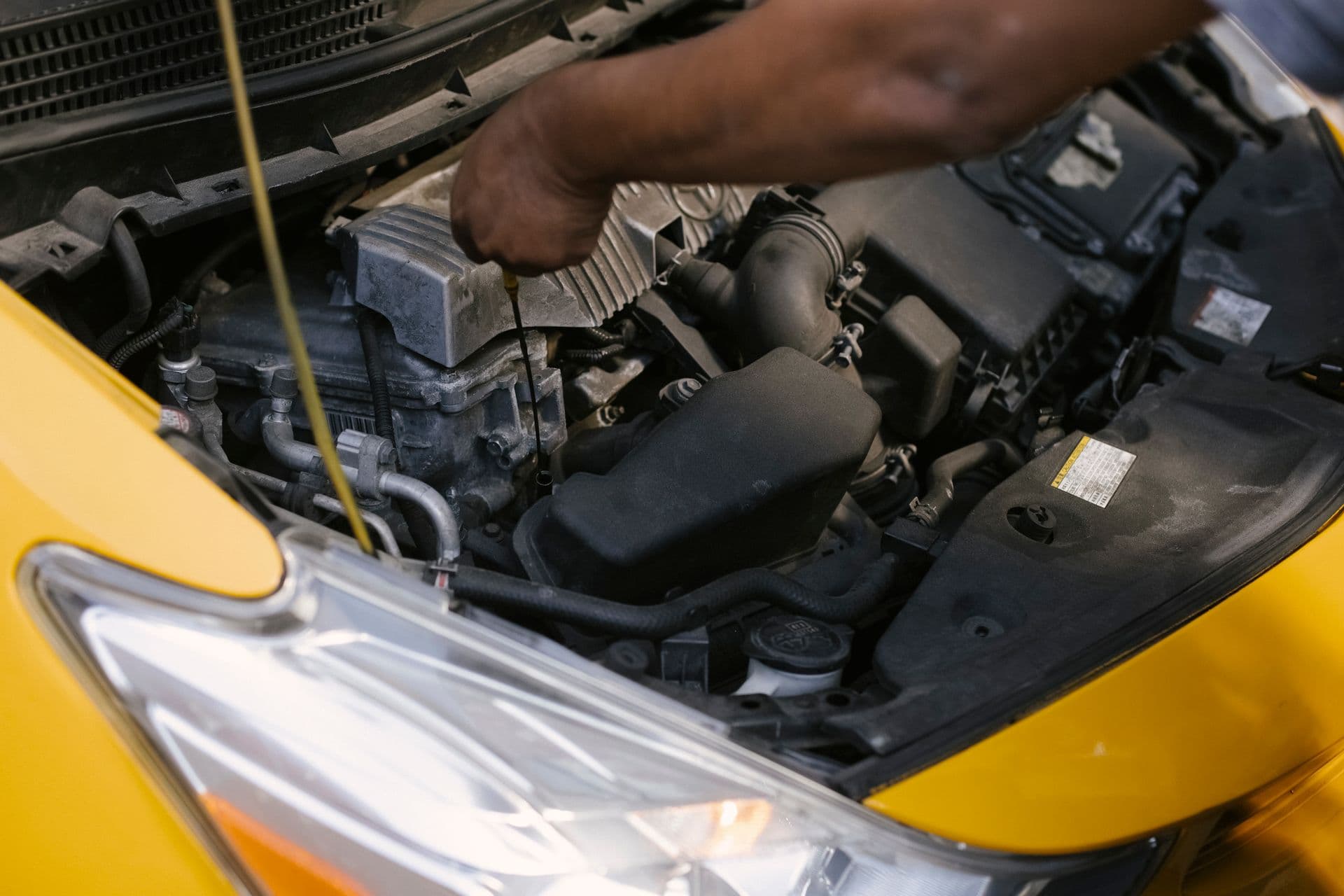
On the 2.0-litre and 2.4-litre petrol engines from the fourth generation, oil consumption can be higher than desirable in some examples. Pull the dipstick and look for oil at the correct level with a clean appearance; black, depleted oil suggests either poor servicing discipline or an engine working harder than it should. Blue-tinged exhaust smoke on a cold start, or oil residue around the valve cover, warrants further investigation before proceeding.
What to Inspect on Diesel Models
Diesel Sportages require more careful interrogation. A diagnostic scan will reveal any stored codes relating to the DPF, EGR valve, or turbocharger. During the test drive, request a highway run of at least 20 minutes. This allows the DPF to attempt a passive regeneration cycle, and you can observe whether the vehicle performs cleanly or shows signs of restricted exhaust flow. Turbo response should be crisp and consistent; a hesitant build of boost, or audible turbo noise beyond normal induction sound, suggests wear or a developing fault.
What to Inspect on Hybrids
Hybrid variants require a battery health check using appropriate diagnostic equipment, as a standard OBD reader will not reveal the full picture on high-voltage hybrid systems. Confirm that regenerative braking functions as expected: as you ease off the accelerator at road speed, there should be a gentle, consistent retarding sensation and corresponding charge displayed on the energy management screen. Inspect charging port condition on plug-in hybrid examples and confirm that charging cables are present and functional.
Transmission and Suspension
All automatic transmissions should deliver smooth, prompt gear changes without shuddering, slipping, or hunting for ratios under light load. The dual-clutch in the fifth-generation 1.6 turbo deserves particular attention at very low speeds. A degree of jerkiness is inherent to the design, but pronounced hesitation or clunking is not acceptable. Any automatic that feels reluctant at low speed or produces a clunk when engaging Drive from Park needs further investigation before purchase.
Suspension wear is common on higher-kilometre examples regardless of generation. Worn bushes produce a dull thudding sound over speed bumps and sharp-edged road surfaces; deteriorating struts create a floating, unsettled sensation on undulating roads. Both are straightforward to rectify but should be factored into any negotiation.
Electrical Systems
Fourth-generation models have occasionally produced issues with air conditioning compressors and throttle position sensors. Test the air conditioning rigorously, running it on maximum cooling for several minutes and confirming it produces genuinely cold air. Work through every electrical function methodically: windows, mirrors, infotainment, camera systems, seat adjustment, and all lighting. An intermittent fault is considerably harder to diagnose after purchase. (Check Westside Auto Wholesale's Kia Sportage Stock List)
Summary by Model Year
2018 - Pre-facelift fourth generation (QL). Solid petrol and diesel lineup, eight-speed auto on diesel, autonomous emergency braking standard across the range. Pre-facelift examples worth scrutinising carefully for early engine and infotainment niggles.
2019 - Continued pre-facelift fourth generation. Minimal changes, refined overall. Broader colour choice and improved infotainment response over the earliest QL examples.
2020 - Mid-life facelift arrives on the fourth generation. Updated front and rear styling, Apple CarPlay now standard across the board, optional LED lighting on higher trims, and suspension refinements bedded in. A notably cleaner used buying proposition than pre-facelift examples.
2021 - Facelifted fourth generation in settled, mature form. Roof rails and privacy glass added to certain variants. Strong used buy with solid remaining warranty on well-maintained examples.
2022 - Final year of the fourth generation (QL). Well-sorted and fully featured. Good used value as the newer NQ5 draws attention toward fifth-generation stock.
2023 - Fifth generation (NQ5) arrives. Substantially larger dimensions, dual 12.3-inch screen interior, 1.6 turbo-petrol with dual-clutch, X-Line trim for light off-road duty, and hybrid variants available from launch. A significant step up in feel, space, and technology.
2024 - Fifth generation refined. Adaptive cruise standard across the range, LED projectors standard throughout, Harman Kardon audio available on premium grades, and the plug-in hybrid range fully established. The most comprehensive and efficient version of the current generation.
Frequently Asked Questions (FAQs)
Is the Kia Sportage a reliable car in Australia?
Yes, broadly speaking. Both generations covered in this guide have demonstrated solid long-term durability when maintained according to schedule. The diesel engines in the 2018 to 2022 fourth-generation range are sound mechanically but vulnerable to DPF and EGR issues if used predominantly on short trips. Petrol and hybrid variants have fewer maintenance sensitivities. The seven-year unlimited-kilometre warranty provides a meaningful safety net that reduces the financial exposure of any unforeseen fault.
Which Kia Sportage engine is best for Australian conditions?
It depends heavily on how you'll use it. The 2.0-litre turbo-diesel suits long highway runs and towing, returning strong fuel economy when given the opportunity to work at load. The 1.6-litre turbo-petrol in the fifth generation is the better all-rounder for mixed urban and highway driving, with more spirited performance and fewer maintenance complications. The plug-in hybrid is the standout choice for buyers who do most of their driving around town and have access to home charging, cutting fuel consumption dramatically on daily duties.
Does the Kia Sportage have a five-star ANCAP safety rating?
Yes. The Sportage has held a five-star ANCAP safety rating across the model years covered in this guide. Autonomous emergency braking and lane-keep assist were standardised across the range from the fourth generation onwards, and the fifth generation added further refinements including updated forward collision avoidance and driver attention monitoring.
What is the towing capacity of the Kia Sportage?
The fourth-generation diesel variants offer a braked towing capacity of 1900 kg, adequate for a modest camper trailer or small boat. The fifth-generation diesel maintains similar capability. Petrol and hybrid variants have lower towing ratings, and the plug-in hybrid in particular is not intended as a towing vehicle. Always verify the towing rating for the specific model year and variant you're considering, and ensure any tow bar installation is compliant with Australian regulations.
How often does the Kia Sportage need servicing?
Most petrol and diesel Sportage variants require servicing every 15,000 km or 12 months, whichever comes first. This is a generous interval compared to some European competitors. Hybrid and plug-in hybrid variants operate on a shorter service schedule to maintain battery and electrical system health. Sticking to the schedule precisely is important, as warranty claims can be affected by lapses in documented maintenance.
Is the Kia Sportage good for families?
It's one of the better compact SUVs for family use in the Australian market. The fifth generation in particular offers a genuinely practical rear seat for taller passengers, a wide boot opening, flat-folding rear seats, and rear doors that open to a useful angle for child-seat access. USB-C ports and wireless charging cater to the device-heavy reality of family travel. The fourth generation is slightly tighter on rear headroom but still accommodates a family of four comfortably.
What should I look for when buying a used Kia Sportage?
Begin with a PPSR check and full-service history verification. On diesel models, scan for DPF and EGR fault codes and conduct a highway test drive to confirm exhaust performance. On petrol models, check for oil consumption and inspect for valve cover residue. On hybrids, use appropriate diagnostic equipment to assess battery health. Test all automatic transmissions for smooth shifts, and listen for suspension knock over uneven surfaces. A pre-purchase inspection by a qualified mechanic is strongly recommended regardless of the variant.
Are parts and servicing easy to access across Australia?
In metropolitan areas, Kia's dealer network is well-established and parts availability is reliable. Regional coverage has improved in recent years, though buyers in remote locations should factor in the possibility of longer turnaround times for specialist parts, particularly for hybrid high-voltage components. Aftermarket parts availability for the fourth generation is now strong given the model's age, which can offer cost-effective alternatives for wear items outside the warranty period.
Is the Kia Sportage X-Line worth considering?
The X-Line trim introduced with the fifth generation is a worthwhile choice for buyers who occasionally venture onto unsealed tracks or gravel roads. The increased ground clearance of 216 mm, all-terrain tyres, and underbody protection provide genuine, if modest, capability beyond sealed surfaces. It's not a vehicle for serious four-wheel driving, but for the kind of light off-road use common in Australian regional areas, it handles the task confidently. The visual appeal of the additional cladding and rugged styling also resonates strongly in the used market.
Does the Kia Sportage plug-in hybrid work well in hot Australian climates?
Early ownership feedback has been positive, though high ambient temperatures can affect battery management in all plug-in hybrids. The Sportage PHEV's thermal management system is designed to handle a broad temperature range. Buyers in regions with consistently high summer temperatures should ensure they have access to shaded or covered parking where practical, as extreme heat over extended periods places additional load on battery cooling systems. This applies broadly to all plug-in hybrid and battery electric vehicles rather than being specific to the Sportage.