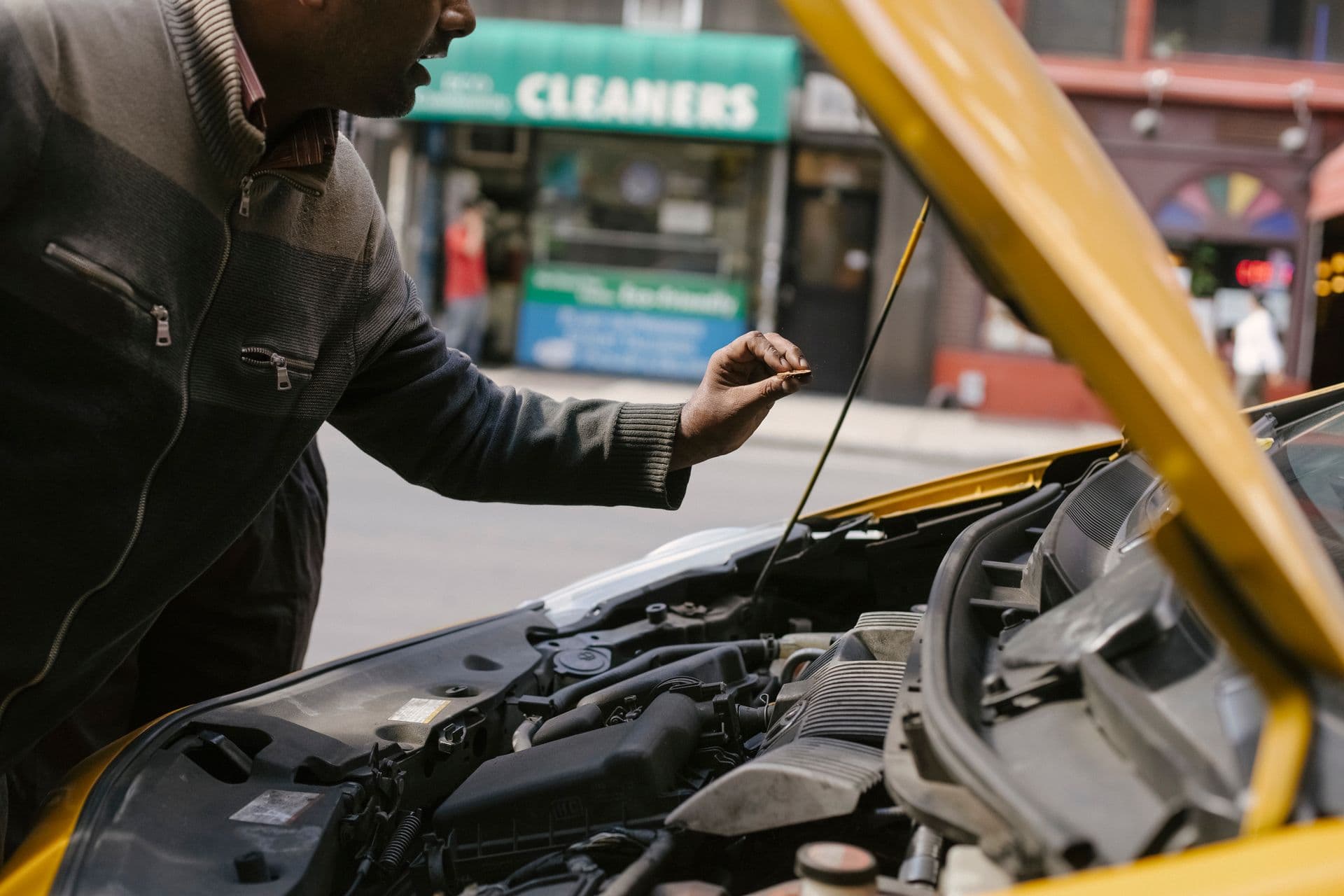


Engine overheating is one of the most common roadside problems for Australian drivers. When the temperature gauge rises, it usually signals a cooling system issue that needs immediate attention. Ignoring the warning can lead to warped cylinder heads, blown head gaskets or even a seized engine. Understanding what causes a car to overheat and how to stop it safely is essential for protecting your vehicle and avoiding costly repairs.
This article covers the main overheating causes, the right steps to take when it happens, how to fix the issue and the best preventative habits to keep your car running cool.
What Causes a Car to Overheat
Most overheating problems trace back to coolant circulation or airflow restrictions. These are the most common reasons your car overheats.
1. Low Coolant Level
Low coolant is one of the first things to check. Without enough coolant, heat cannot be carried away from the engine. A small drop can cause a major temperature spike during summer driving, heavy traffic or towing. Coolant can drop due to ageing hoses, a loose cap, leaks or evaporation over time.
2. Coolant Leaks
Any leak in the cooling system will eventually cause overheating. Leaks often appear around the radiator, heater core, water pump, hose connections or the reservoir. Signs include a sweet smell, steam, dried residue or visible puddles. Even a slow leak introduces air into the system, which disrupts coolant flow.
3. Faulty Thermostat
A thermostat stuck closed will block coolant from moving to the radiator. Temperatures climb quickly, especially on warm days or long drives. A faulty thermostat is inexpensive to replace and one of the most frequent overheating faults.
4. Failing Water Pump
The water pump circulates coolant throughout the engine. When its bearings wear out or the impeller fails, coolant movement slows or stops entirely. Overheating becomes unavoidable. Whining noises, coolant drips or wobbling pulleys often point to a failing pump.
5. Radiator Blockages
Internal scale, rust and old coolant can clog the radiator. External blockages like leaves, insects or mud also reduce airflow. A blocked radiator often causes overheating at low speeds or while idling because airflow is limited without forward motion.
6. Radiator Fan Not Working
If the radiator fan fails, the engine overheats in traffic or during slow driving. This usually stems from a blown fuse, worn motor, faulty fan switch or damaged wiring. On hotter days, a non-working fan causes rapid temperature spikes.
7. Damaged Radiator Cap
A worn radiator cap fails to maintain pressure, allowing coolant to boil at a lower temperature. This causes overflow, coolant loss and overheating. A simple cap replacement often solves hidden overheating issues.
8. Air Pockets in the Cooling System
Air trapped inside the cooling system stops coolant from circulating properly. This commonly happens after a coolant change or hose replacement. Without bleeding the system correctly, overheating returns quickly.
9. Blown Head Gasket
A blown head gasket is a severe cause of overheating. It allows combustion gases to enter the cooling system, forcing coolant out and creating instant overheating. Symptoms include white smoke, milky oil, rapid coolant loss and rough idling.
10. Heavy Loads and Hot Weather
Australian summers are tough on cooling systems. Towing caravans, carrying heavy loads or extended high-temperature driving can expose weaknesses. Even minor issues become major under these conditions.

Early Warning Signs of Overheating
Recognising the early symptoms helps prevent engine damage.
- Temperature gauge creeping higher than normal
- Steam from the bonnet
- Hot smells inside or outside the vehicle
- Coolant warning light illuminated
- Heater blowing cold air
- Coolant puddles under the car
- Engine hesitating or losing power
If any of these appear, reduce engine load and prepare to pull over safely.
What to Do When Your Car Overheats
How you respond matters. A calm and safe approach protects your engine and avoids further damage.
- Reduce Engine Load - Turn off the air conditioning and switch the heater to maximum heat. This helps pull heat away from the engine. Avoid accelerating and gently move towards a safe stopping point.
- Allow the Engine to Idle - Do not turn the engine off immediately. Idling keeps coolant moving. Sudden shutdown can cause heat soak that increases engine temperature even further.
- Switch Off When Temperatures Drop - Once the gauge settles or starts to fall, switch off the engine. Wait ten to fifteen minutes before approaching the bonnet. Steam or hot coolant can escape suddenly if opened too soon.
- Never Open the Radiator Cap While Hot - Opening the cap under pressure can cause boiling coolant to spray out. Wait until the engine is completely cool.
- Check Coolant in the Overflow Reservoir - If low, top it up with coolant or water temporarily. This is only a short-term solution to get you home or to a workshop.
- Look for Visible Leaks - Check under the car for dripping coolant or wet patching. If coolant is pouring out, do not continue driving.
- Drive Only if Necessary - If the car must be moved, keep speeds slow and the temperature gauge in view. Stop immediately if it rises again.
How to Fix Overheating Problems
Once the car has cooled, a proper diagnosis is essential.
- Inspect Coolant Condition - Healthy coolant should be clean and bright, not dark or milky. Contaminated coolant suggests corrosion or head gasket problems.
- Pressure Test the Cooling System - A pressure test reveals hidden leaks and checks whether the system maintains correct pressure. This identifies faulty caps, cracked hoses or radiator leaks.
- Replace the Thermostat if Faulty - A stuck thermostat is one of the quickest and most affordable repairs in any overheating diagnosis.
- Evaluate the Radiator - Both internal flow and external airflow must be checked. A blocked radiator may need a flush or replacement.
- Test Water Pump Operation - If the pump is struggling, overheating will continue until it's replaced.
- Remove Air From the System - Bleeding removes trapped air. Many overheating issues return simply because bleeding was not done correctly.
- Inspect Fans and Belts - The radiator fan should activate at operating temperature. A failed fan, broken relay or worn belt can all be responsible.
- Check for Head Gasket Failure - If overheating persists, a combustion leak test or compression test will confirm if the head gasket is compromised.

Avoiding Overheating: Long-Term Prevention
Regular maintenance is the best defence against overheating. These habits help maintain a reliable cooling system.
- Keep Up With Scheduled Coolant Changes - Coolant loses performance over time. Replace it as recommended to prevent corrosion and blockages.
- Watch Coolant Levels Monthly - A slowly dropping reservoir is often the first clue a leak is forming.
- Inspect Hoses, Caps and Belts - Replace cracked hoses or worn belts before they fail.
- Maintain Radiator Cleanliness - Airflow is vital. Clear debris from the front of the radiator and condenser.
- Service Used Cars Immediately After Purchase - Older vehicles may have neglected cooling systems. A full flush, new thermostat and fresh coolant offer peace of mind.
- Reduce Extended Idling - Long idling in hot Australian weather puts strain on the cooling system.
- Respond Quickly to Early Warning Signs - Temperature changes, coolant smells or puddles should never be ignored.
When to Visit a Mechanic
Seek professional help if:
- The car overheats more than once
- Coolant keeps disappearing
- Steam appears under the bonnet
- The radiator fan does not activate
- The heater blows cold air during overheating
- Exhaust smoke turns white
- Oil appears milky
Overheating can quickly escalate into expensive engine damage. A qualified technician can diagnose the cause accurately.
An overheating engine is always a warning that something is wrong. Whether the issue is a minor leak, a blocked radiator, a faulty thermostat or a more serious internal fault, early action protects your car and keeps you safe. By knowing the signs, understanding the causes and responding properly, you reduce the risk of engine damage and ensure your vehicle stays dependable on every drive.