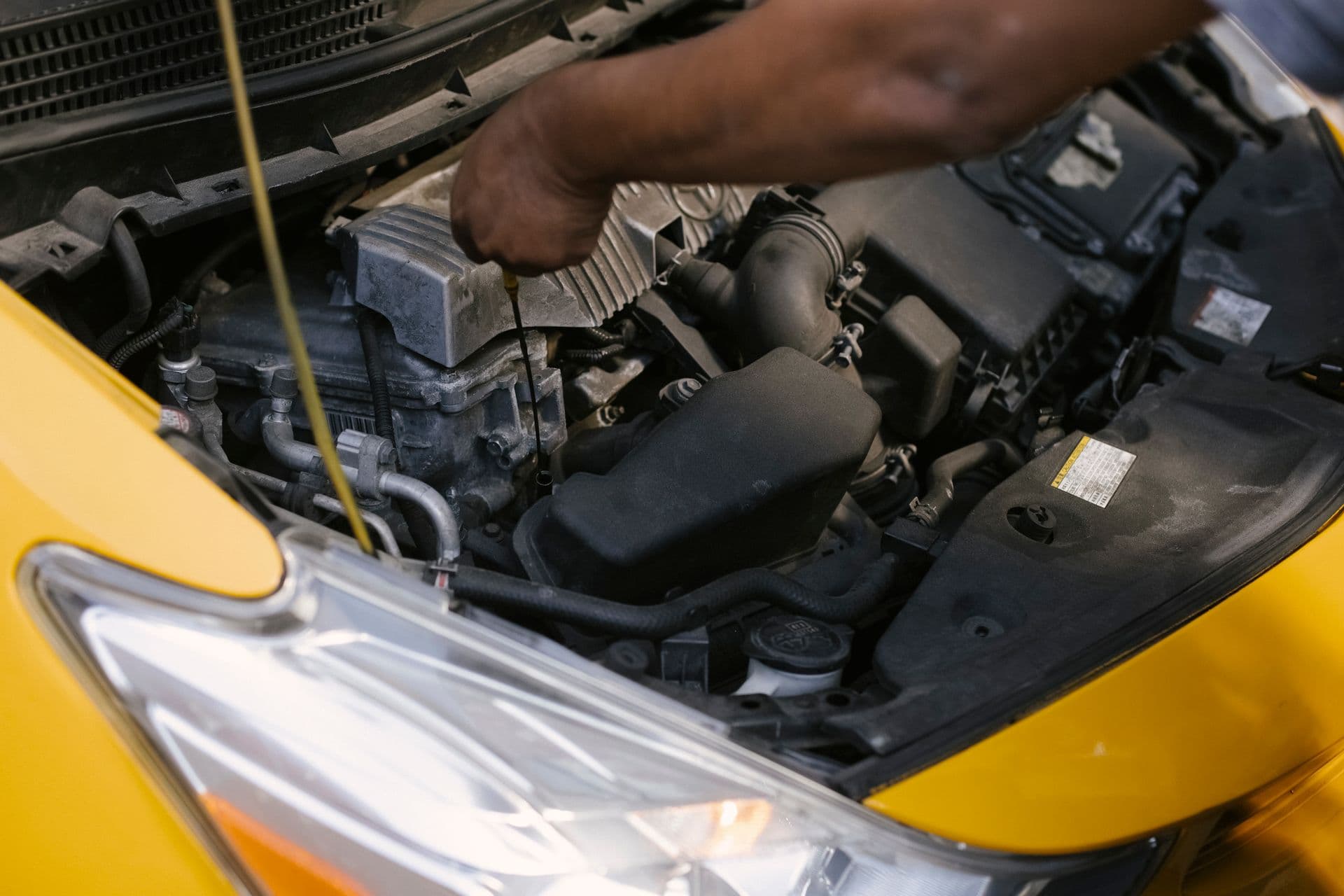


If you've spotted "lifetime transmission fluid" in your owner's manual, you might have crossed one item off your maintenance worry list. While this designation is technically accurate, understanding what "lifetime" actually means can help you make better decisions about your vehicle's care.
What "Lifetime" Really Means
The term "lifetime transmission fluid" is based on specific driving conditions that manufacturers use for testing. These ideal conditions include:
- Consistent moderate temperatures around 22°C
- Minimal towing or heavy loads
- Smooth road surfaces
- Gentle driving patterns
- Regular highway cruising with minimal stop-start traffic
For many WA drivers, from Perth commuters navigating the Mitchell Freeway to those exploring the Great Eastern Highway or working in the Pilbara, real-world conditions can be quite different from these test scenarios.
How Heat Affects Transmission Fluid
Transmission fluid performance is closely linked to operating temperature. While you can monitor engine temperature on your dashboard, transmission temperature remains hidden, yet it's equally important for your vehicle's health. Here's how temperature affects fluid life:
- At 95°C (normal operating temp): Fluid typically lasts around 160,000km
- At 105°C: Expected life reduces to about 80,000km
- At 115°C: Life span drops to approximately 40,000km
- At 125°C: Fluid degrades much faster, around 20,000km
During WA summers, especially when towing or driving in areas like the Pilbara or Goldfields, transmission temperatures can climb significantly higher than normal operating ranges.
The Science Behind Modern Transmission Fluid
Today's transmission fluids are sophisticated blends containing several important components:
- Friction modifiers help control clutch engagement but naturally degrade over 4-5 years
- Anti-oxidants prevent fluid breakdown but lose effectiveness after extended use in high-heat conditions
- Seal conditioners maintain gasket flexibility but can evaporate in extreme climates
- Detergents prevent buildup but become less effective as they collect contaminants
When these additives reach the end of their effective life, the fluid may still look acceptable but won't perform as intended.
The Moisture Factor
Even "sealed" transmissions have breather systems that allow some air exchange. In Perth's humid winter months or the tropical conditions around Broome and Port Hedland, moisture can gradually enter the system. Since water doesn't compress like transmission fluid, even small amounts can affect shift quality and potentially cause internal corrosion over time.
Recognising When Attention Might Be Needed
While modern transmissions are generally reliable, here are some subtle signs that might indicate your transmission fluid could benefit from inspection:
- Morning Engagement: If it consistently takes more than a few seconds to engage Drive when starting cold, it may indicate fluid changes.
- Temperature Sensitivity: Harsh shifting during the first few minutes of driving, particularly on cooler mornings.
- Post-Journey Inspection: After long drives or towing, any unusual odours from the engine bay warrant professional attention.
- Appearance Check: While dark fluid obviously needs attention, even clean-looking fluid can lose its effectiveness over time.
Modern Diagnostic Tools
Progressive workshops now offer transmission fluid analysis services. This laboratory testing can provide detailed information about:
- Current fluid condition
- Additive levels
- Contamination presence
- Wear particle analysis
This scientific approach takes the guesswork out of transmission maintenance decisions.
Professional Service Considerations
When transmission service is performed, qualified technicians typically address several components:
- Fluid exchange using proper equipment to ensure complete fluid renewal
- Filter inspection and replacement when accessible
- System cleaning to remove accumulated deposits
- Software updates if applicable to your vehicle
A comprehensive service performed by knowledgeable professionals can significantly extend transmission life.
Making Informed Decisions
The key is understanding that "lifetime" transmission fluid is designed for optimal conditions. WA's diverse climate, from coastal humidity to inland heat and dust, along with varied driving patterns, can influence how long transmission fluid maintains its effectiveness. Regular inspections during routine services can help identify when transmission attention might be beneficial, regardless of what the manual says about "lifetime" intervals.
Practical Advice for WA Drivers
Consider having your transmission fluid inspected if you:
- Regularly tow caravans or trailers
- Drive frequently in stop-start traffic
- Operate in dusty or extreme temperature conditions
- Have covered significant kilometres since purchase
Keep maintenance records for warranty and insurance purposes, as some policies require evidence of reasonable care regardless of manufacturer recommendations.
The Balanced Approach
Modern transmissions are engineered to be durable and reliable. Understanding the factors that can affect transmission fluid allows you to make informed decisions about maintenance timing based on your specific driving conditions and usage patterns. While "lifetime" transmission fluid is a legitimate designation under ideal conditions, recognising when your driving environment might benefit from more proactive maintenance can help ensure reliable operation throughout your vehicle's life.
Sensible Steps Forward:
- Have transmission fluid inspected during regular services
- Consider your specific driving conditions and climate
- Keep maintenance records for future reference
- Consult qualified technicians about service intervals that suit your usage
- Remember that preventive maintenance is generally more cost-effective than reactive repairs
Understanding your vehicle's needs helps ensure reliable performance for years to come.