
When your car starts to run rough, lose coolant, or puff out mysterious white smoke, there’s a good chance the problem runs deeper than a simple leak or bad spark plug. One of the most dreaded issues in any engine is a blown head gasket, a failure that, if ignored, can turn a minor repair into a complete engine rebuild. Understanding what a head gasket does, why it fails, and how to catch the signs early can save you thousands and a lot of stress.

What the Head Gasket Actually Does
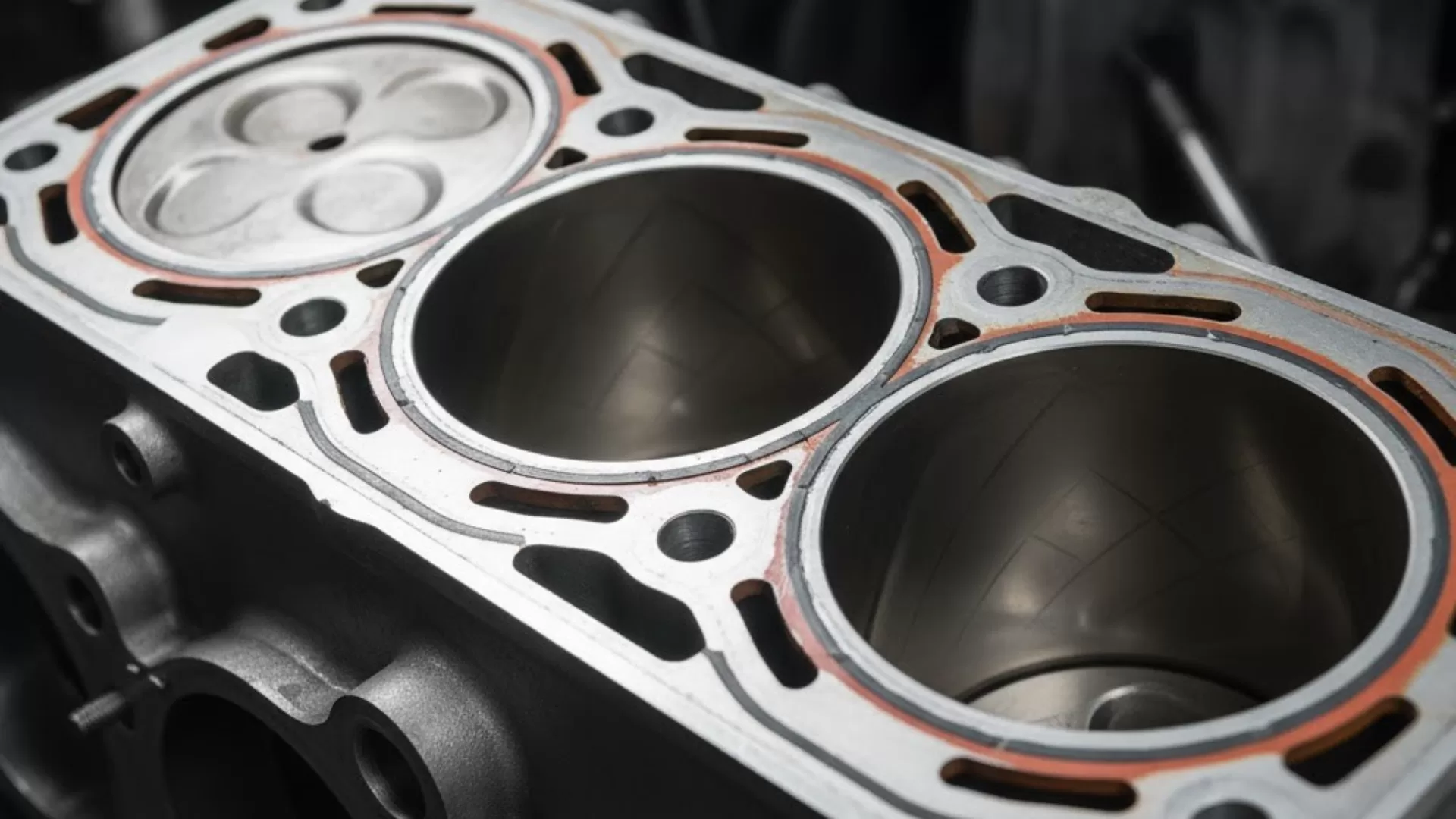
The head gasket is a small but crucial component that sits between the engine block and cylinder head. Its main job is to seal the combustion chamber while keeping coolant and oil in their separate paths. It ensures that:
- Compression stays within the cylinders for efficient combustion.
- Oil lubricates the moving parts without mixing with coolant.
- Coolant circulates properly to regulate engine temperature.
In short, the head gasket is the gatekeeper of engine integrity. When it fails, that balance collapses.
Why Head Gaskets Fail
Head gaskets don’t suddenly fail for no reason. The breakdown is usually gradual and caused by one or a combination of these:
- Overheating
The number one killer of head gaskets. Excess heat warps the cylinder head or damages the gasket material, breaking the seal. Overheating often stems from low coolant, a faulty thermostat, or a failing water pump. - Poor Cooling System Maintenance
Ignoring coolant flush intervals or using the wrong coolant type can cause corrosion or scale build-up inside the system, creating hot spots that stress the gasket. - Detonation or Pre-Ignition
Incorrect timing or low-quality fuel can cause abnormal combustion pressure, hammering the gasket until it gives out. - Age and Wear
Like any other engine component, gaskets deteriorate over time, especially on high-kilometre vehicles or those frequently subjected to heavy loads or stop-start traffic.
Clear Symptoms You Shouldn’t Ignore
Catching a head gasket failure early is the difference between a repair bill and a replacement engine. Look out for these tell-tale signs:
- White Smoke from the Exhaust - Thick white smoke often means coolant is leaking into the combustion chamber. You’ll notice a sweet smell and more smoke when the engine is cold.
- Milky Oil or “Chocolate Milkshake” Appearance - When coolant mixes with oil, it creates a frothy, milky residue on the dipstick or oil cap. This means the gasket has allowed fluids to cross over, never a good sign.
- Loss of Coolant Without a Visible Leak - If your coolant level keeps dropping but there’s no puddle under the car, it might be leaking internally into the engine.
- Overheating and Bubbles in the Radiator - Exhaust gases escaping through the head gasket can push air into the cooling system. You’ll see bubbles when the radiator cap is off or notice the temperature gauge fluctuating unpredictably.
- Poor Engine Performance - Misfires, rough idling, or a noticeable drop in power can occur when a cylinder loses compression due to a gasket breach.
Affordable Diagnostic Tests to Confirm the Issue
You don’t have to rely on guesswork. There are straightforward tests to verify a blown head gasket before jumping into expensive repairs:
- Compression Test
This checks whether each cylinder maintains proper pressure. A low reading in one or two cylinders next to each other often points to a failed gasket. - Leak-Down Test
Air is forced into the cylinder to see where it escapes. Bubbles in the radiator or coolant reservoir indicate a breach between the combustion chamber and cooling system. - Chemical Block Test
Mechanics use a fluid that changes colour in the presence of combustion gases in the coolant. It’s one of the simplest and most reliable ways to confirm head gasket failure. - Oil and Coolant Analysis
Checking for cross-contamination can also reveal the problem. Milky oil or oily coolant is a strong indicator.

Repair vs Replacement: What’s the Damage?
A head gasket replacement can be labour-intensive because it requires removing the cylinder head. The cost depends on the car’s make, model, and engine type. In many cases, it’s not just about replacing the gasket. Mechanics often need to:
- Resurface a warped head.
- Replace head bolts (they stretch when torqued).
- Refill and bleed the cooling system.
- Change engine oil and filters.
Preventative maintenance, like regular coolant checks, prompt repair of leaks, and proper engine tune-ups, can help you avoid this scenario altogether.
Prevention Tips
To keep your head gasket in good shape and extend your engine’s lifespan:
- Check coolant levels weekly and top up only with the recommended type.
- Replace coolant and thermostat at scheduled intervals.
- Watch the temperature gauge and never ignore overheating.
- Fix coolant leaks promptly.
- Avoid hard acceleration when the engine is still cold.
Head gasket failure isn’t just another repair, it’s a turning point for many cars. Left unchecked, it can spiral into complete engine damage, turning a relatively simple seal replacement into an engine rebuild or swap. But with early detection and consistent maintenance, you can spot the warning signs before it’s too late.
Your car’s health starts with attention to the small details. The head gasket may be out of sight, but it should never be out of mind.