


Modern vehicles, especially popular models in Australia like the Ford Ranger, Toyota Hilux, and Isuzu D-Max, are fitted with smart alternators and Intelligent Battery Sensors (IBS). These systems manage how your vehicle charges its battery, balancing performance, efficiency, and emissions.
If you’ve ever checked your voltmeter and noticed a “low” reading, don’t panic. It’s not always a sign of a failing alternator or weak battery. In many cases, it’s your vehicle doing exactly what it’s designed to do.
How Smart Alternators Work
Traditional alternators deliver a steady output, typically around 14.4 volts, regardless of battery condition or driving situation. Smart alternators, on the other hand, are controlled by the vehicle’s ECU (Engine Control Unit).
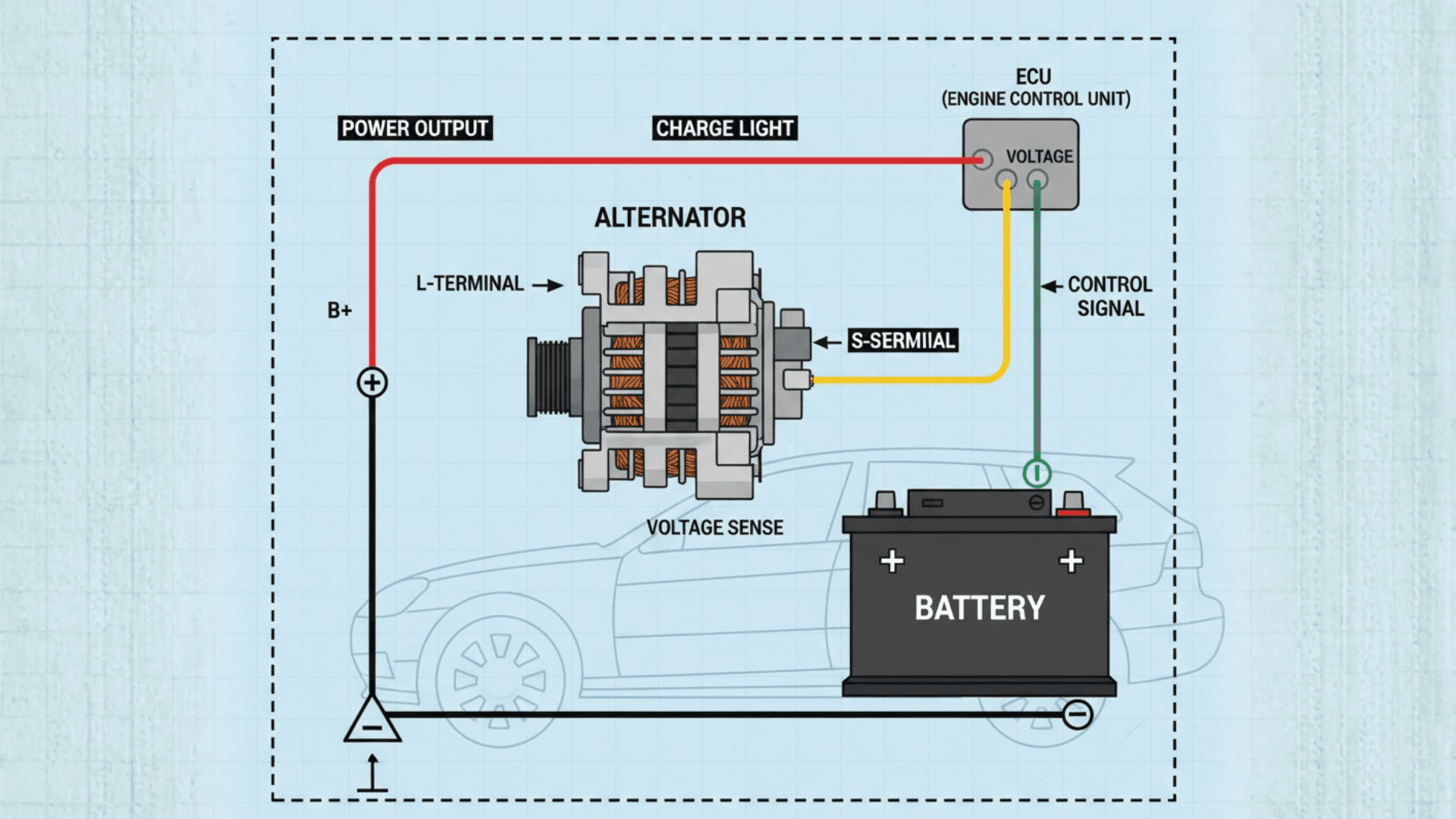
Instead of constantly charging the battery, they adjust the charging rate depending on several factors:
- Battery temperature and state of charge
- Engine load and speed
- Driving conditions (urban stop-start vs highway cruising)
- Electrical accessory use
This system helps reduce fuel consumption and CO₂ emissions by lowering alternator drag when full charging isn’t necessary. The alternator is often “switched off” during acceleration to save energy, then “switched on” during braking or deceleration to perform regenerative charging.
That’s why your voltage reading may fluctuate between 12.3 to 14.8 volts, a normal range for vehicles with smart alternators.
The Role of the IBS (Intelligent Battery Sensor)
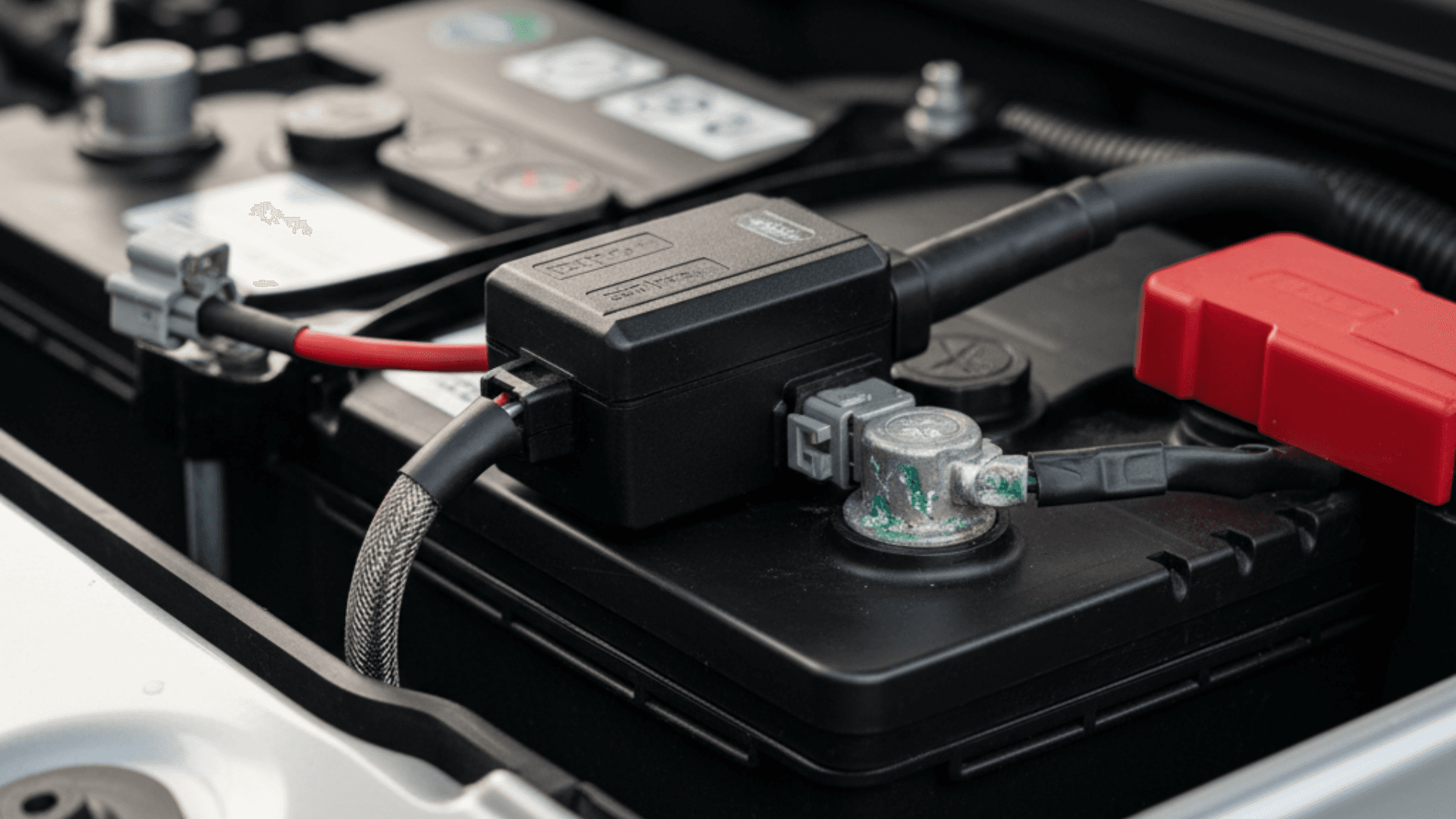
Located near the negative terminal of the battery, the IBS sensor continuously monitors:
- Battery voltage
- Current flow (charge and discharge)
- Temperature
This data is constantly sent to the ECU, allowing it to calculate the state of charge (SOC) and state of health (SOH) of the battery. The ECU then uses this information to adjust the alternator’s output and charging pattern.
When the battery is healthy and fully charged, the alternator may drop its output voltage to as low as 12.4V to prevent overcharging. When the system detects a drop in battery capacity, it commands a higher charging voltage.
This smart approach extends battery life, ensures efficient power use, and helps meet modern emission standards.
Why Voltage Looks “Low” on Purpose
Many Australian car owners get concerned when they see a voltage reading below 13V. In vehicles with smart charging systems, this is entirely intentional.
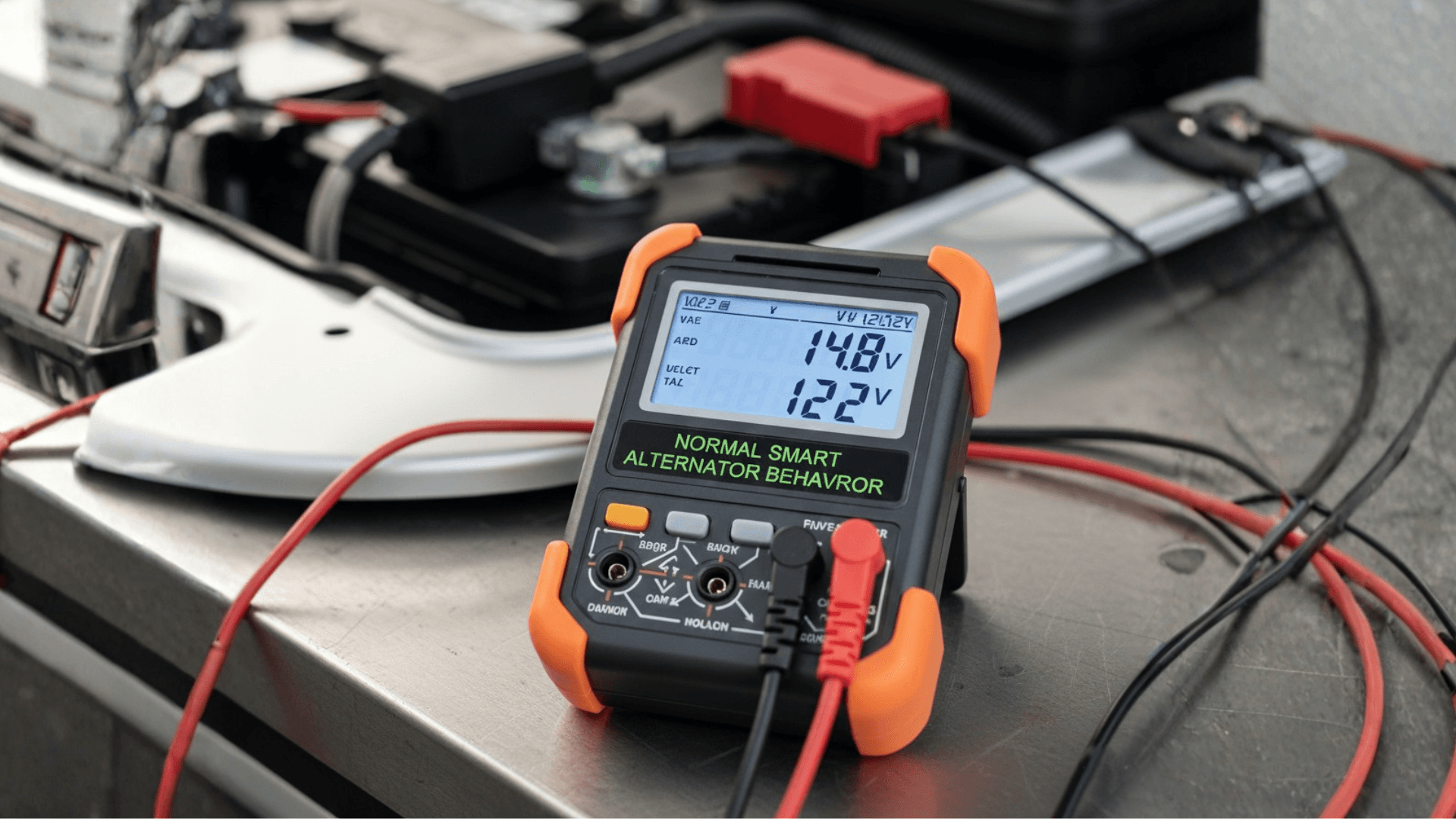
When your engine control module detects low load or optimal charge levels, it purposely allows voltage to drop to improve fuel efficiency. This is especially common in Euro 5 and Euro 6-compliant vehicles, which prioritise reduced alternator load for better emissions performance. Only when you switch on accessories like headlights, air conditioning, or drive uphill does the alternator resume active charging.
So, if your voltage meter shows 12.2 to 12.6V, it doesn’t necessarily mean something’s wrong, it often means your ECU is managing charge efficiently.
What to Do After a Battery Swap
Replacing a battery in a vehicle with an IBS sensor isn’t as simple as just disconnecting and reconnecting the terminals. These systems need to relearn the new battery’s condition.
Here’s what you should do:
- Use a battery compatible with smart charging systems. Many vehicles require AGM (Absorbent Glass Mat) or EFB (Enhanced Flooded Battery) types designed for variable charging.
- Register the new battery using a scan tool or diagnostic software. This step tells the ECU that a new battery has been installed and resets charge algorithms.
- Avoid using cheap OBD tools that don’t support battery registration. A professional mechanic or auto electrician can perform this service.
- Let the vehicle idle for several minutes after installation so the ECU and IBS can stabilise readings.
- Check voltage levels over the next few days. The system will gradually optimise its charging pattern based on the new battery’s performance.
If this reset process isn’t done properly, the ECU might continue using old charging data, which can lead to undercharging or premature battery wear.
Common Issues and Tips for Australian Drivers
- Don’t rely on voltage alone to judge battery health. Use proper diagnostic tools that measure current and charge rate.
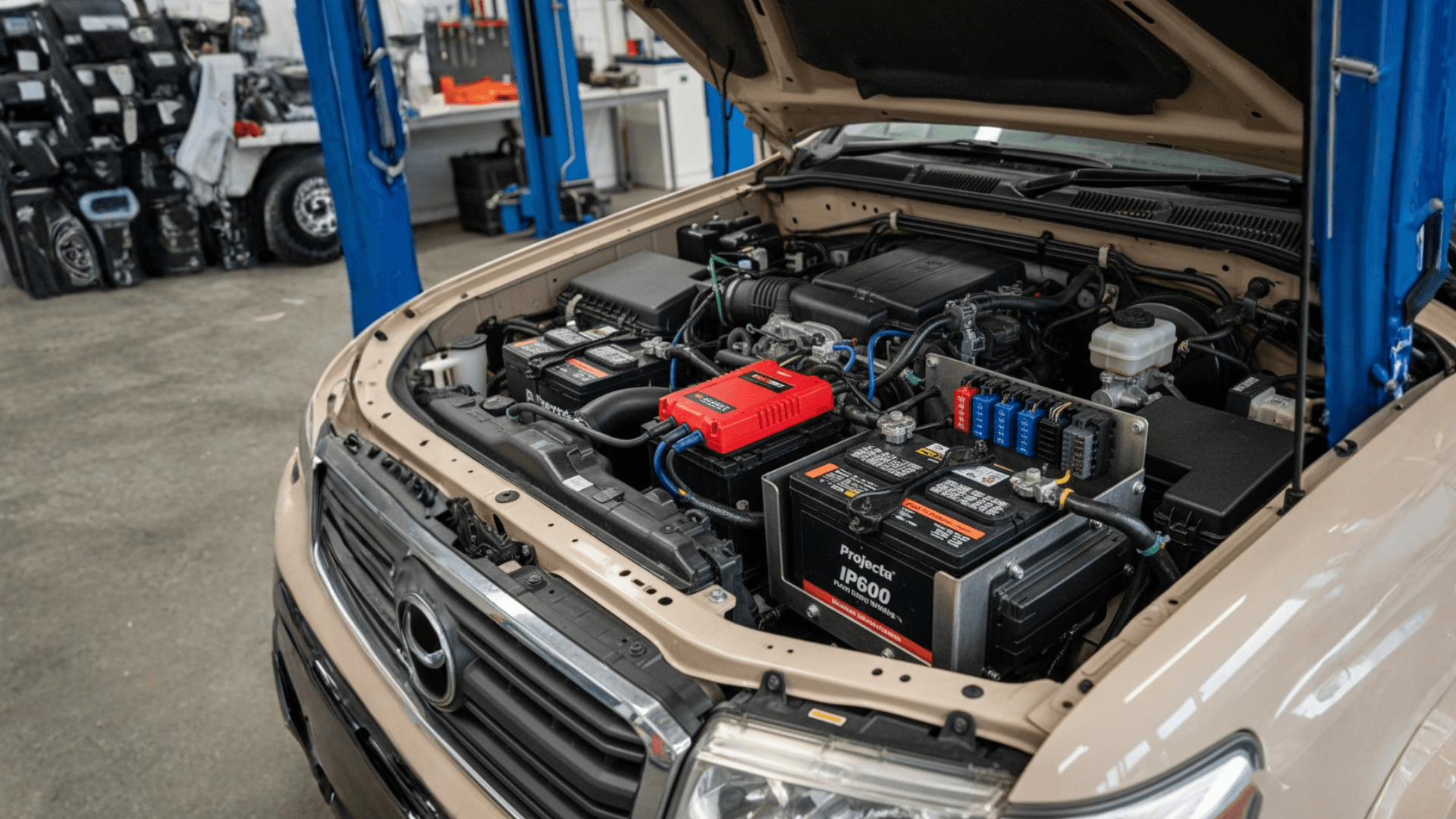
- If fitting dual batteries (common for 4WDs and touring setups), use a DC-DC charger designed for smart alternator systems. Brands like Redarc and Projecta offer units suited for Australian conditions.
- Avoid bypassing the IBS sensor. Some DIY fixes recommend disconnecting it to keep the alternator charging continuously, but this can trigger error codes and reduce efficiency.
- Keep battery terminals clean and check for corrosion, especially if you drive near coastal areas.
Smart alternators and IBS sensors are part of a new generation of energy management systems designed for efficiency, not faults. Understanding how they work helps you avoid unnecessary replacements or misdiagnoses.
For Australian drivers who love exploring long distances or upgrading vehicles with aftermarket gear, learning how your vehicle manages power is essential. It ensures your alternator, ECU, and batteries work in sync, keeping you powered up wherever the road leads.