

Overview
The Hyundai Santa Fe has carved out a solid reputation in the Australian market as a practical, value-packed family SUV that punches well above its weight.
Between 2016 and 2024, the Santa Fe went through three distinct generations. Each brought meaningful improvements in refinement, technology, and driving dynamics. Whether you're after a spacious seven-seater for the weekend footy runs or a comfortable highway cruiser for those long coastal drives, there's a Santa Fe variant that'll tick the boxes.
For each generation, you'll find details on trim levels, engine options, and what makes them worth considering.
The second half focuses on buying used: what to look for, which model years to target or avoid, common issues that crop up, and how to make sure you're getting fair value in today's market.
Walk into any suburban car park across Australia and you'll spot plenty of Santa Fes. They're not flashy, they don't scream for attention, but they're everywhere for good reason. Families have cottoned on to what Hyundai's been building here: a sensible SUV that does the job without the premium badge tax.
The Santa Fe's appeal sits in that sweet spot between practical and aspirational. It's roomy enough for growing families, comfortable enough for long highway stretches, and equipped enough to feel modern without being overwhelming. Most importantly, it won't leave you wincing at the price tag like some of its European competitors.
Between 2016 and 2024, the Santa Fe went through substantial changes. What started as a solid but unremarkable family hauler evolved into something genuinely competitive with the established players. Hyundai steadily improved the recipe: better engines, sharper styling, more technology, higher quality interiors. Each generation built on the last, addressing criticisms and adding features that buyers actually wanted.
The diesel variants became the backbone of sales in Australia, loved for their ability to tow boats and caravans whilst still returning reasonable fuel economy. The AWD systems gave families confidence on dirt roads and in wet conditions. The seven-seat layouts meant room for kids, sports gear, and the inevitable mountain of shopping.
What makes the Santa Fe particularly interesting in the used market is how much value it sheds in those first few years. A three-year-old example can cost significantly less than new, yet still deliver most of the modern features and safety tech. That depreciation hurts the original owner but creates genuine opportunity for savvy second-hand buyers.
This isn't a car that'll make your heart race. It won't turn heads at the lights or deliver sports-car thrills. But if you need something that'll reliably cart the family around, handle the school run, accommodate the weekend camping trip, and not drain the bank account, the Santa Fe makes a compelling case for itself.
The following sections break down exactly what changed across the three generations, what each offers, and most importantly for buyers considering a used purchase, what to watch out for and where the value sits in today's market.


The Three Generations: 2016 to 2024
Third Generation (DM Series, 2013-2018)

The 2016 and 2017 model years represent the tail end of the DM series, Hyundai's third-generation Santa Fe that first appeared in Australian showrooms back in 2013. By this stage, the DM had matured nicely, benefiting from mid-cycle updates that addressed early niggles and added more standard kit.
The DM came in two distinct flavours: the regular Santa Fe with five or seven seats, and the longer Santa Fe Grand that was exclusively a seven-seater. This generation featured Hyundai's 'Storm Edge' design language, which looked sharp when it launched but started feeling a bit dated by 2016 as competitors upped their game.
Engine Options:
The Australian market got two main engine choices.
2.2-litre turbo diesel (the popular choice):
- Power: 145kW and 436Nm of torque
- Transmission: Six-speed automatic
- Fuel economy: Around 7-8L/100km combined
- Strong enough for towing the boat
3.3-litre V6 petrol:
- Power: 206kW
- Smoother and nicer to drive
- Thirstier and less popular
Both engines came with front-wheel drive or all-wheel drive options. The diesel AWD combination was what most families went for.
Trim Levels:
Hyundai kept things relatively simple with three main grades:
- Active (entry level): Climate control, reversing camera, Bluetooth, and decent cloth seats
- Elite (mid-spec): Leather, bigger alloys, blind spot monitoring, and a better stereo
- Highlander (top spec): Ventilated front seats, panoramic sunroof, LED headlights, and navigation
There was also a limited-run 30th Anniversary Edition in 2016 with extra gear and unique badges.
By 2017-2018, the DM was showing its age against newer rivals, but it remained a solid choice for families wanting space and value. The ride quality was comfortable if a bit soft, interior materials were decent rather than flash, and reliability proved good once some early transmission issues were sorted. The seven-seater Grand's third row was tight but usable for kids, and boot space was generous with those seats folded.
Fourth Generation (TM Series, 2018-2020)

The TM series landed in Australia in late 2018 as a 2019 model, bringing a complete redesign that moved the Santa Fe upmarket in ambition and execution. Hyundai ditched the separate Grand model, making the standard Santa Fe longer and offering all variants as seven-seaters only (five-seater configurations were dropped entirely).
Styling was dramatically sharper, with a cascading grille, split headlight design, and more sculpted panels giving it genuine road presence. Inside, the TM represented a huge leap forward. Materials quality improved across the board, the dashboard layout became more driver-focused, and the technology took a proper step up with bigger touchscreens and more advanced safety systems as standard.
Engine Options:
The engine lineup evolved with better performance and efficiency.
2.2-litre turbo diesel (updated):
- Power: 148kW and 440Nm (slightly up on the old model)
- Transmission: Eight-speed automatic (replaced the six-speed)
- Fuel economy: Around 7.0L/100km combined
2.4-litre petrol:
- Power: 139kW (replaced the V6)
- Transmission: Eight-speed automatic
- Smoother than the diesel but lacked punch for heavier loads or towing
Hyundai later added a 2.0-litre turbo petrol in some markets, but Australia largely stuck with the diesel-dominated lineup.
Trim Levels:
The TM simplified and elevated the range. You got Active, Elite, and Highlander again, but equipment levels were notably higher across the board.
- Active (base model with serious kit): 18-inch alloys, dual-zone climate, 8-inch touchscreen with Apple CarPlay and Android Auto, rear parking sensors, autonomous emergency braking
- Elite (step-up comfort): Leather trim, powered tailgate, wireless phone charging, premium audio
- Highlander (flagship): Ventilated front seats, heads-up display, surround view cameras, adaptive cruise control, Nappa leather
The TM also introduced Hyundai's SmartSense safety suite across the range, making it one of the better-equipped SUVs in its class for active safety tech. Lane keeping assist, blind spot collision avoidance, and rear cross-traffic alert became standard even on Active models.
Driving dynamics improved considerably. The TM felt more planted and controlled than the floaty DM, with better body control through corners and a more composed highway ride. Road and wind noise were notably reduced. The seven-seat layout offered genuinely usable third-row space for adults on shorter trips, not just kids, and boot capacity remained generous. Build quality felt more solid, and the interior ambience stepped up to properly challenge the European brands.
Fifth Generation (MX5 Series, 2021-2024)

The fifth-generation Santa Fe arrived in 2021 and represented Hyundai's most ambitious attempt yet to position the Santa Fe as a premium contender. The MX5 generation brought bold styling that divided opinion but certainly stood out in car parks, along with a tech-heavy interior that wouldn't look out of place in something costing considerably more.
Design-wise, Hyundai went all-in on drama. The front end featured T-shaped daytime running lights integrated into the grille, creating an unmistakable face that either grabbed you or didn't. The body sides got more angular, the rear featured connected tail lights, and the overall stance was more aggressive. Inside, multiple digital screens dominated the dashboard, with a 10.25-inch digital instrument cluster and matching central touchscreen forming a seamless display in higher grades.
Engine Options:
2.2-litre turbo diesel (carried over):
- Power: 148kW and 440Nm
- Transmission: Eight-speed automatic
- Available in FWD or AWD
- Fuel economy: 6.8-7.2L/100km depending on drivetrain
Hybrid variants (from 2022):
- 1.6-litre turbo petrol plus electric motor
- Combined output: Around 169kW
- Took time to reach Australia
The diesel remained the workhorse of the Australian range. It was appreciated for its towing capability (up to 2000-2500kg depending on variant) and reasonable running costs. The hybrid models, when they eventually arrived locally, offered better around-town efficiency but at a significant price premium that made them a harder sell.
Trim Levels:
Hyundai reshuffled the grades for the MX5, adding a luxury tier at the top:
- Base (replacing Active): 8-inch touchscreen, wireless Apple CarPlay and Android Auto, LED headlights and tail lights, dual-zone climate, full SmartSense safety suite including highway driving assist
- Elite: 10.25-inch dual screens, leather seats with heating and ventilation, powered tailgate, wireless charging, blind spot view monitor
- Highlander: 12.3-inch screens, premium Bose audio, panoramic sunroof, surround view cameras, remote parking assist
- Calligraphy (new luxury flagship): Nappa leather, unique 20-inch wheels, ambient lighting, relaxation seats with leg support, digital key
Build quality reached new heights, with soft-touch materials throughout the cabin and attention to detail that impressed. The third row in seven-seat variants offered decent space, though accessing it required some gymnastics for larger adults. Boot space remained practical, and the power tailgate became standard across most of the range.
The MX5 drove well, with refined road manners and surprisingly engaging handling for a family SUV. It wasn't sports-car sharp, but it felt competent and planted. Ride comfort was excellent on the highway, though the larger wheels on Highlander and Calligraphy models could feel a bit firm over rough city streets. Noise isolation was the best yet in a Santa Fe, making long trips genuinely relaxing.
2024 Facelift:
In late 2023 for the 2024 model year, Hyundai gave the fifth-generation Santa Fe a significant update. The exterior styling was softened slightly with revised lighting signatures and a less polarising front fascia. The interior received updated materials and a redesigned dashboard layout featuring larger screens and improved ergonomics. Additional hybrid and plug-in hybrid powertrains were introduced in global markets, though Australian availability remained focused on diesel and hybrid options. Safety tech was enhanced with additional SmartSense features, and connectivity improved with over-the-air update capability.
The Used Buyer's Guide: What You Need to Know
Shopping for a used Santa Fe can be a smart move, especially given how much value these things shed in their first few years. The trick is knowing what to look for and which potential headaches to sidestep. Here's what matters when you're kicking tyres.
The Sweet Spots: Which Years and Models to Target


2019–2020 TM Series (Fourth Generation)
This generation sits in a particularly strong position for value buyers right now. By 2019–2020, Hyundai had significantly matured the Tucson platform after earlier iterations, so these models largely sidestepped the typical "first-year bugs" that can affect brand-new designs. You get a well-refined package with modern essentials: strong safety tech (forward collision avoidance, lane keep assist, blind-spot monitoring in higher trims), a smooth and efficient eight-speed automatic transmission (a clear upgrade over prior automatics), improved interior quality, and better overall ride refinement compared to the previous DM generation.
Standout recommendation: Diesel variants paired with AWD in Elite trim deliver the best all-around package. They combine excellent torque for towing/light off-road use, strong fuel economy, full feature load (premium audio, leather, advanced driver aids), and proven capability without excessive cost.
Why such great value in 2026? Depreciation has brought prices into truly affordable territory, often significantly below newer models while still offering 80–90% of the modern experience. Remaining warranty coverage may still apply on lower-mileage examples, and parts/support remain widely available.
Ideal for: Budget-conscious buyers who want near-current tech/safety without paying new-car premiums; families needing AWD capability; those prioritizing diesel efficiency (where available in your market).
Potential drawbacks: Not as visually dramatic or tech-loaded as the fifth-gen (no massive dual screens in base/mid trims), but the gap feels smaller than the price difference suggests.
2022–2023 MX5 Series (Fifth Generation)
These represent the "Goldilocks" choice if your budget stretches a bit further. Launched around 2021 (with 2022–2023 models incorporating early running production improvements), they deliver a genuinely contemporary feel: bold parametric jewel lighting, spacious and upscale cabin, class-leading tech (especially the panoramic dual-screen setup in Elite/Highlander grades), advanced safety suite, and refined driving dynamics. You're getting most of the fifth-gen's wow factor without the higher pricing of the 2024+ facelifted versions (which added minor styling tweaks, updated infotainment, and sometimes refined powertrains).
Standout recommendation: Elite or Highlander trims unlock the signature big dual screens, premium materials, ventilated seats, advanced audio, and full suite of convenience/safety features that make the fifth generation feel special.
Why the sweet spot in 2026? Prices have softened considerably from original MSRP as more enter the used market, yet most examples still carry substantial remaining factory warranty (Hyundai's 5-year/100,000+ km coverage often lingers). You avoid paying the "newest model" premium while benefiting from post-launch refinements Hyundai made after initial 2021 feedback.
Ideal for: Buyers wanting the latest design language, massive interior screens, cutting-edge connectivity, and a more premium interior ambiance; those who value long-term warranty peace of mind and don't mind spending more upfront for modernity.
Potential drawbacks: Higher entry price than TM models; fuel economy and performance similar to competitors but not revolutionary.
Early 2016–2017 DM Series (Third Generation)
The 2016–2017 Santa Fe DM (facelifted third gen) remains a practical large 7-seater SUV in Australia, with strong family appeal: generous space (third row best for kids), comfortable long-haul ride (Australian suspension tuning helps on rough roads), good towing (up to 2,500kg braked on diesel), and refined diesel performance for highway/provincial driving. It was a sales success when new, but at 9–10 years old, depreciation has made it very affordable, though age-related wear and specific concerns are more pronounced now.
Standout recommendation: Prioritise low-kilometre examples (ideally under 100,000–120,000 km) with full Hyundai service history in higher trims like Elite or Highlander (AWD/4x4 diesel variants). The 2.2L turbo-diesel is the go-to in AU for torque, economy (~7–8L/100km highway), and towing; avoid high-km petrol V6 unless pristine, as some reports note higher failure risks in certain engines.
Why the sweet spot in 2026? Used prices have fallen sharply into budget territory, offering excellent value for a large, well-equipped 7-seater with features like leather, panoramic sunroof, AWD, and post-facelift safety (AEB, blind-spot in top specs). Parts and servicing remain widely available through Hyundai dealers/aftermarket in Australia, and many units still drive reliably if maintained, cheaper than stepping up to TM (fourth gen) or current models, while delivering similar family practicality.
Ideal for: Budget-conscious Aussie families needing genuine 7 seats, ample cargo for road trips (e.g., to the coast or outback), comfortable highway cruising, occasional towing (boat/caravan), and AWD for wet/slippery conditions; buyers prioritising space/comfort over the latest tech; those okay with a 9–10-year-old vehicle if it has documented maintenance and passes inspection.
Potential drawbacks: Dated tech (smaller screens, limited/no Apple CarPlay/Android Auto in early trims); higher risk of costly age-related issues including rough/jerky transmission shifting, suspension wear (clunks on rough roads), engine problems (oil consumption, bearing wear, some crankshaft/recall issues), electrical glitches, and occasional transfer case/transmission failures. High-km units (>150,000 km) often need expensive repairs (transmission rebuilds, engine work) that can erase savings. Check recalls (Hyundai AU site) and get thorough pre-purchase inspection (transmission, engine, suspension, electronics)
Service History: Non-Negotiable
Don't even consider a Santa Fe without a complete service history. Hyundai offers a comprehensive warranty (five years/unlimited kilometres for most of this period, extended to seven years from 2021 models), but it's only valid if the car's been serviced according to the schedule. A missed service can void warranty claims.
Check that services were done at the prescribed intervals: 12 months or 15,000km for diesel models, whichever comes first. Look for major services at 60,000km intervals where transmission fluid, differential oil, and other major components get attention. Hyundai dealers stamp the service book, but reputable independent workshops are fine as long as they've used genuine or equivalent parts and followed the service schedule.
Pay particular attention to diesel service records. You want to see evidence of fuel filter changes, air filter replacements, and DPF maintenance. If the car's done a lot of kilometres, check whether the timing belt has been replaced (usually due around 120,000-150,000km). This is a big-ticket item, and if it's overdue, factor several hundred dollars into your negotiations.
The Test Drive: What to Actually Check
Start the engine when it's cold if possible. Diesel engines should fire up quickly without excessive cranking or smoke. Let it idle for a minute and listen for any unusual noises, ticking, or rattling. Check the exhaust for smoke. A small puff of white smoke on a cold start is normal for a diesel, but continuous black or blue smoke isn't.
On the drive itself, take your time. Get the engine up to operating temperature, which takes about 15 minutes. The diesel should pull smoothly from low revs with minimal turbo lag. The transmission should shift seamlessly, without hunting or harsh changes. Try some gentle acceleration, some hard acceleration, and some cruising to feel how it behaves in different scenarios.
Test the AWD system if fitted by finding a gravel road or grass area. All-wheel drive should engage automatically when needed without drama. Check that all electronic aids work: stability control, traction control, hill descent control on Highlander models.
Braking should be progressive and straight, with no pulling to one side or juddering through the pedal. Pay attention to how the car handles bumps and rough surfaces. It should absorb them without excessive bouncing or crashing.
Park up and have a proper look underneath if you can. Check for oil leaks around the engine, transmission, and differentials. Look at the exhaust system for rust or damage. Examine the tyres for even wear. Uneven wear patterns can indicate alignment issues or suspension problems.
Pricing Expectations and Negotiation
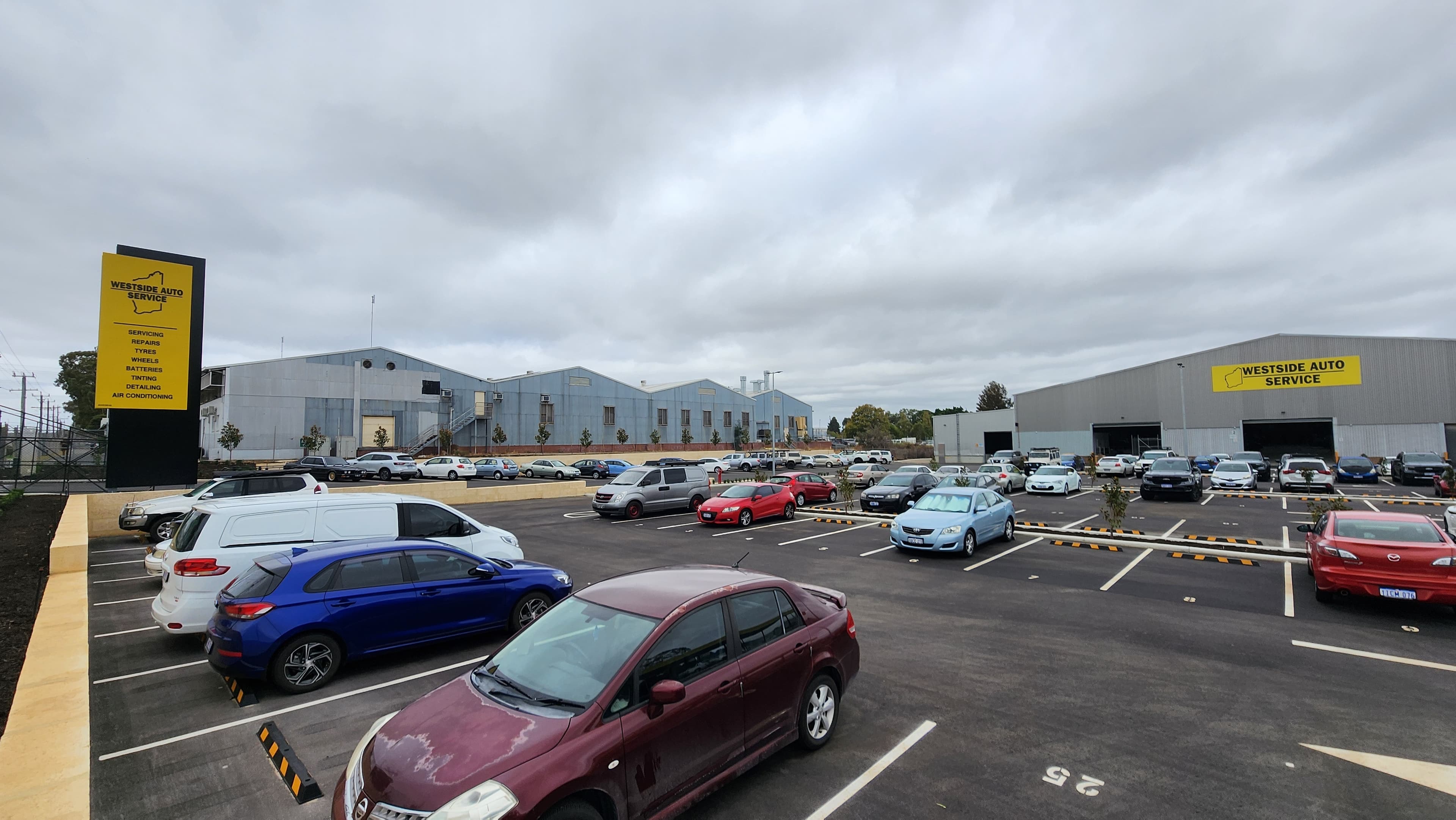
Used Santa Fe prices vary considerably based on year, kilometres, condition, and specification. Here's current pricing from the Perth market (based on Westside Auto Wholesale stock in February 2025):

When buying, arm yourself with data. Check recent sales for comparable vehicles. Factor in any issues you've found during inspection. A car needing new tyres, brakes, or with a concerning service history gives you legitimate negotiating power.


Dealer cars typically cost more than private sales but offer statutory warranty protection and often come with a fresh service and roadworthy certificate. Private sales might be cheaper, but you're buying as-is with limited recourse if something goes wrong soon after. Weigh up the trade-off based on your risk tolerance and mechanical knowledge.
Ownership Costs and Long-Term Reliability
Running a Santa Fe won't break the bank. Fuel costs are reasonable for a large SUV, with the diesel returning around 7-8L/100km in real-world mixed driving. That's achievable if you do a decent mix of highway and urban running. Pure city driving will push consumption towards 9-10L/100km.
Service costs at Hyundai dealers run about $300-450 for basic services, stepping up to $600-800 for major services. Independent workshops charge less, typically $250-350 for basic services and $500-650 for major work. Parts availability is good through Hyundai's network, and plenty of aftermarket options exist for common wear items like brake pads and filters.
Insurance premiums sit in the moderate range. The Santa Fe isn't a performance car or high-theft target, so comprehensive cover for a 2019-2022 model might cost $900-1400 annually for an average driver in Perth, varying by location, driving history, and chosen insurer. RAC and AAMI typically offer competitive rates for family SUVs in Western Australia.
Long-term reliability is generally strong. Hyundai has improved considerably over the years, and the Santa Fe benefits from that evolution. The diesel engine is robust if maintained properly, the transmissions (particularly the eight-speed) hold up well, and most mechanical components prove durable. Electrical gremlins are rare, though infotainment systems in older models can play up occasionally.
The biggest risk factors are poor maintenance and DPF issues on diesels, both of which are largely avoidable by choosing well-maintained examples and understanding the car's service history. Stick to properly serviced vehicles with highway kilometres on them, and a Santa Fe should deliver years of reliable family transport.

The used Santa Fe market offers something for most budgets and needs. If value is the priority, a 2021-2023 TM or early MX5 in Active or base spec around the $29,000-41,000 mark gives you a modern, well-equipped family SUV that'll serve you well without the new-car premium. You get loads of safety tech, decent comfort, strong towing ability, and potentially remaining warranty coverage.
For those wanting something more current with the latest features, stretching to a 2022-2023 Highlander in the $46,000-49,000 range makes sense. The refinement step-up is noticeable, the technology is genuinely impressive, and the overall package feels properly premium. You're paying more, but you're getting more too.
Whatever generation you target, prioritise service history above all else. A higher-kilometre car with immaculate service records beats a lower-kilometre example with patchy history every time. Get a pre-purchase inspection. Take your time during the test drive. Ask questions. If something doesn't feel right, trust your gut.
The Santa Fe has evolved into a genuinely competitive family SUV that matches its Japanese and European rivals in most areas whilst undercutting them on price. Buy smart, maintain it properly, and you'll have a practical, comfortable family hauler that does the job without drama. Just make sure you've done the homework before handing over your money, and you'll likely be happy with the choice.
Frequently Asked Questions (FAQs)
Q1: Which generation of Hyundai Santa Fe (2016–2024) is the most reliable for used buyers in Australia?
The fourth-generation TM (2018–2020, especially 2019–2020) remains the sweet spot for most Aussie buyers, great balance of modern tech, the reliable eight-speed auto, strong diesel performance for towing, and fewer early issues than the DM. The fifth-generation MX5 (2021–2024) offers premium refinement and better safety/hybrid options, but early 2021 examples may have minor infotainment quirks. High-km early DM (2016–2017) models are riskier now due to age-related wear (e.g., suspension bushes, turbo, DPF clogs from short urban trips common in cities like Sydney/Melbourne/Brisbane/Perth). Prioritise full logbook service history and highway-driven examples.
Q2: How reliable are the transmissions in these Santa Fe generations in Australia? The six-speed auto in DM (2016–2018) had some harsh shifting/premature wear reports early on, mostly sorted under warranty. The eight-speed auto (TM 2018+ and MX5) is far smoother and more dependable, with good long-term feedback when fluid is changed per schedule. Note: The current (post-2024) Santa Fe uses an eight-speed dual-clutch in some variants globally, with isolated software/recall issues overseas, but Aussie 2016–2024 models stick to the proven eight-speed torque-converter in most cases. Test drive for smooth shifts, no clunks/slipping.
Q3: Should I consider a hybrid Santa Fe in the used 2021–2024 market in Australia? Hybrids (1.6 turbo petrol + electric, ~169kW combined) arrived from ~2022 in the MX5 and offer excellent city efficiency (better than diesel in stop-start traffic) with solid highway performance. They're pricier used but suit urban/family use, especially with remaining 7-year warranty on later models. Diesel still rules for towing/long hauls. Post-2024 Santa Fe is hybrid-only in Australia (no diesel), so used hybrids are increasingly common and a smart future-proof pick if you find low-km examples with clean history.
Q4: What are realistic used prices for 2016–2024 Santa Fe models in Australia right now (early 2026)? Prices vary by state (e.g., higher in Sydney/Melbourne, lower in regional areas), kms, condition, and spec.
- 2016–2018 DM: $18,000–$28,000 (higher-km diesels common, e.g., 100,000–150,000km).
- 2019–2021 TM: $28,000–$45,000 (sweet spot; low-km AWD diesels in Elite/Highlander hold value well).
- 2022–2024 MX5: $40,000–$70,000+ (hybrids push upper end; low-km Highlander/Calligraphy often $55,000–$68,000 with warranty left). Diesel AWD commands a premium. Factor in remaining Hyundai warranty (5 years unlimited pre-2021, 7 years after) as a major plus. Compare recent sales and negotiate on issues like tyres/brakes.
Q5: How critical is full service history, and what if it's missing?
Essential. Hyundai's warranty requires scheduled services (12 months/15,000km for diesel). Missed ones can void claims on turbo/transmission/DPF. Check for dealer/independent stamps, fuel filter/timing belt records, and DPF evidence. Incomplete history? Negotiate heavily or walk, better a higher-km car with perfect logs than low-km with gaps.
Q6: Is a pre-purchase inspection necessary, and where can I get one in Australia? Absolutely, even from reputable dealers, as it uncovers hidden issues (leaks, suspension, DPF problems) that save thousands. It's especially key for private sales, but worthwhile for any purchase.
For Perth/WA buyers, Westside Auto Wholesale (the large Bentley dealership often stocking Santa Fe models in the price ranges mentioned) is a strong first option to consider. They perform a multi-point independent mechanical inspection on every vehicle before sale, which provides good baseline confidence, and they encourage/allow additional independent inspections by buyers (including for interstate purchases). Many customers report smooth experiences with their huge inventory, competitive pricing, and dealer protections (statutory warranty, fresh service/roadworthy often included).
That said, to maximise peace of mind, especially on higher-km or diesel examples, get your own independent check anyway. Top options include:
- RAC WA: Mobile pre-purchase inspections (~$293–$370, cheaper for members; book online for at-home/work or their centres). Highly trusted for thorough hoist checks, fault codes, brakes/tyres.
- Other independents: Carinspect (mobile nationwide, qualified mechanics), or local services like Australian Auto Inspections.
If the seller refuses an independent inspection, it's a red flag; walk away. Worth the $250–$400 cost every time.
Q7: How does the Santa Fe stack up against rivals like Toyota Kluger, Kia Sorento, or Nissan Pathfinder for used family use in Australia? Excellent value play, more standard safety (SmartSense), competitive space/towing (diesel strong), and often cheaper than Japanese equivalents while matching features. Reliability has stepped up (better than early rep), though Toyota may edge long-term "set-and-forget." Kia Sorento shares platform/tech and is very similar. For budget-conscious families wanting AWD diesel, modern kit, and highway comfort (e.g., coastal drives or footy runs), TM/MX5 Santa Fe is a sharp choice if well-serviced. Hybrids add efficiency edge in cities.