

Manual transmissions are reliable and responsive, which is why many Australian drivers still prefer them. Over time, though, a gearbox may start to produce sounds such as whining, clunking or rattling. These noises are not just irritations. They are signals that something inside the transmission, clutch or driveline is wearing or out of adjustment.
Recognising what each noise means helps prevent further damage and costly repairs.
Types of Gearbox Noises and What They Mean
Whining Noise
A whining sound that changes with speed or gear selection usually comes from worn bearings or gears.
-
During acceleration: Often linked to a worn input shaft bearing or gear teeth under load.
-
During deceleration or coasting: Usually from the output shaft bearings or differential gears.
-
Only in one gear: Indicates wear or damage to that particular gear set.
-
If it changes with engine speed: Could point to a clutch or input shaft issue.

Whining is an early sign of friction or oil starvation and should be checked before it worsens.
Clunking Noise
Clunks or knocks during gear selection, acceleration or deceleration suggest looseness in the driveline.
- When selecting first or reverse: May come from a dragging clutch, worn synchroniser or linkage misalignment.
- When taking off or shifting gears: Check for worn universal joints, tailshaft couplings or perished gearbox mounts.
- Constant clunks during driving: Can result from excessive backlash in gears or differential components.
Although a small amount of driveline play is normal, noticeable clunks should be addressed quickly to prevent strain on other parts.
Rattling Noise
Rattling tends to appear when the vehicle is idling or under light load. It can vary from a soft chatter to a harsh metallic vibration.
- Rattle at idle that stops when clutch is pressed: Usually caused by worn input shaft bearings or excessive play in the input shaft spline.
- Rattle that continues while driving: Could mean internal bearing wear, loose selector forks or low gearbox oil.
- Rattle with gear lever vibration: Indicates bearing looseness or imbalance in the shafts.
Some older gearboxes rattle slightly at idle, especially those with solid flywheels, but new or worsening noise should never be ignored.
Common Causes of Manual Gearbox Noise
Low or Degraded Gearbox Oil
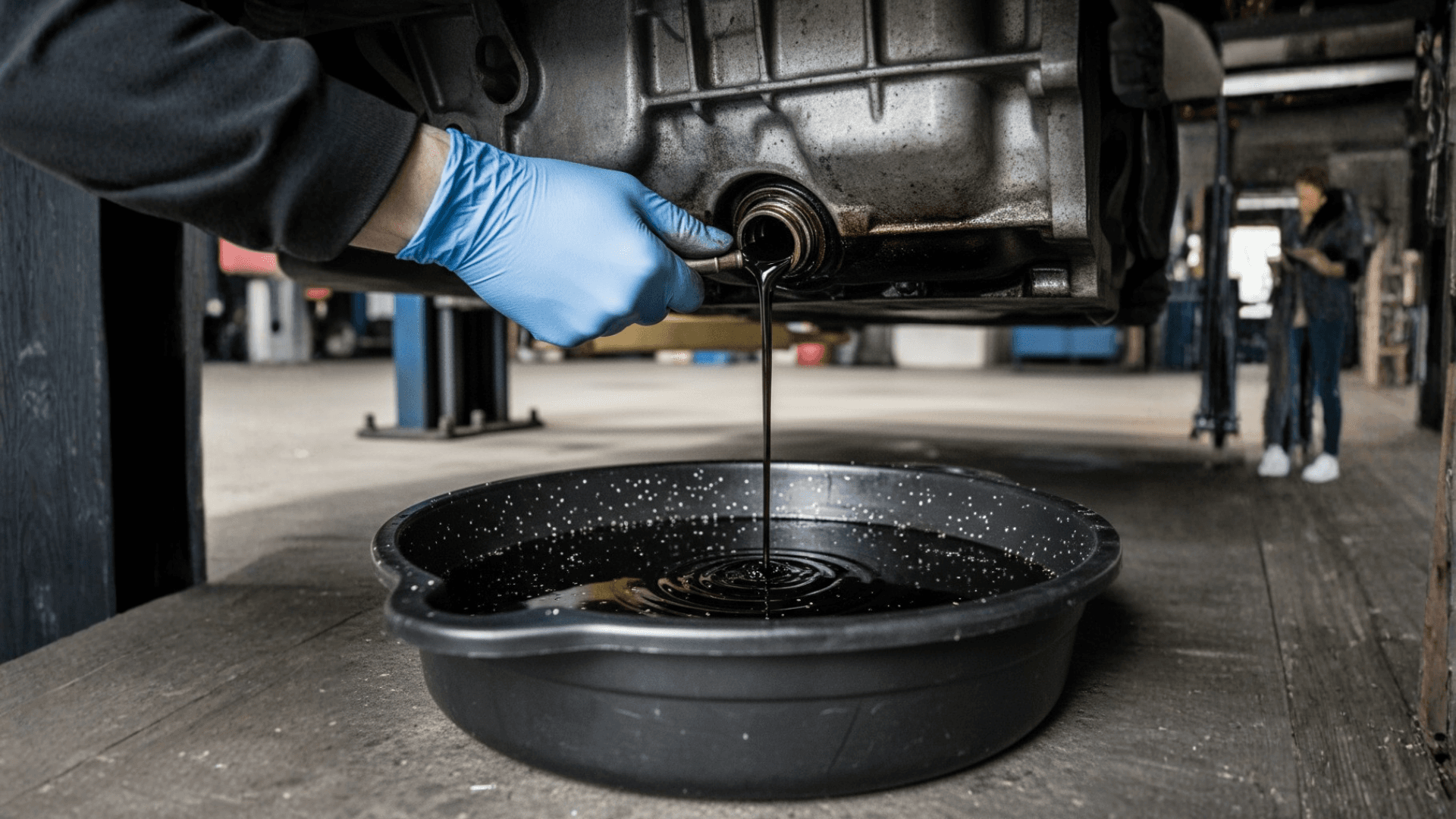
Manual transmissions rely on consistent lubrication. If the oil level drops or the oil becomes dirty, friction increases, causing bearing and gear wear.
- Check oil regularly, particularly after long highway trips or heavy towing.
- Use only the manufacturer’s recommended oil viscosity and specification.
Bearing Wear
Bearings support the gearbox’s rotating shafts. When they wear, they produce a steady whine or rumble that increases with speed. If left unattended, the damage can spread to shafts and gears.
Gear Wear or Tooth Damage
Worn or chipped gear teeth alter the gear mesh pattern, creating a rhythmic whine or ticking sound. This is common in vehicles that have gone long periods without oil changes.
Clutch and Flywheel Issues
A warped flywheel or a worn clutch hub can create vibration that resonates through the gearbox. The result is noise that sounds like a gearbox fault but originates from the clutch assembly.
Worn or Loose Mounts
Rubber gearbox and engine mounts isolate vibration. Once these soften or crack, the gearbox can shift slightly under load, producing clunks during gear changes or acceleration.
Driveline Play
Universal joints, centre bearings and the differential all form part of the driveline. Any play here can cause noises that resemble gearbox faults, so these parts should be checked during diagnosis.
How Driving Habits Affect Gearbox Health
Australian conditions such as high temperatures, urban traffic and heavy towing increase gearbox stress. Driving habits also play a major role:
- Avoid resting your hand on the gear lever while driving.
- Do not ride the clutch pedal at traffic lights.
- Shift gears smoothly and allow engine revs to match before engaging.
- Follow oil change intervals even if the gearbox feels fine.

Good driving technique extends gearbox life and keeps operation quiet and smooth.
Diagnosis and Inspection
When noise develops, proper diagnosis helps determine the cause without unnecessary repair costs. A qualified mechanic typically follows these steps:
- Road test to identify when and under what load the noise occurs.
- Check gearbox oil for level, colour, smell and metal fragments.
- Inspect mounts and linkages for looseness or damage.
- Test clutch operation for full disengagement and free play.
- Use listening tools like a mechanic’s stethoscope to locate internal bearing or shaft noise.
If the issue is internal, the gearbox may need to be dismantled. Rebuilding involves replacing bearings, synchros, seals and occasionally gears.
When to Book a Repair
Delaying gearbox inspection can turn a minor bearing problem into a major rebuild. Seek professional service if you notice:
- Increasing or changing noise pitch
- Gear crunching or stiffness when shifting
- Vibrations through the gear lever
- Leaks around the gearbox housing or driveshaft
Early diagnosis can prevent further damage and save thousands in repair costs.
Preventive Maintenance for Australian Conditions
Manual gearboxes in Australia face unique challenges due to heat and long travel distances. Routine care helps extend service life:
- Check oil level every 10,000 to 20,000 km.
- Replace gearbox oil every 40,000 to 60,000 km or sooner if towing frequently.
- Inspect mounts and linkages at least once a year.
- Check for leaks after long trips or heavy use.
- Have a mechanic road test the vehicle for early noise detection.
A noisy manual gearbox is not something to overlook. Whines, clunks and rattles each tell a story about what is happening inside your vehicle’s transmission. Whether it’s a worn bearing, low oil level or driveline play, early detection prevents more serious failures.
Regular servicing, correct oil, and good driving habits will keep your gearbox performing smoothly across Australia’s varied driving conditions, from city commutes to long highway drives and off-road adventures.
If your manual gearbox starts making noise, it’s best to have it checked promptly by a qualified mechanic. Doing so protects your investment and ensures reliable, quiet performance for years to come.