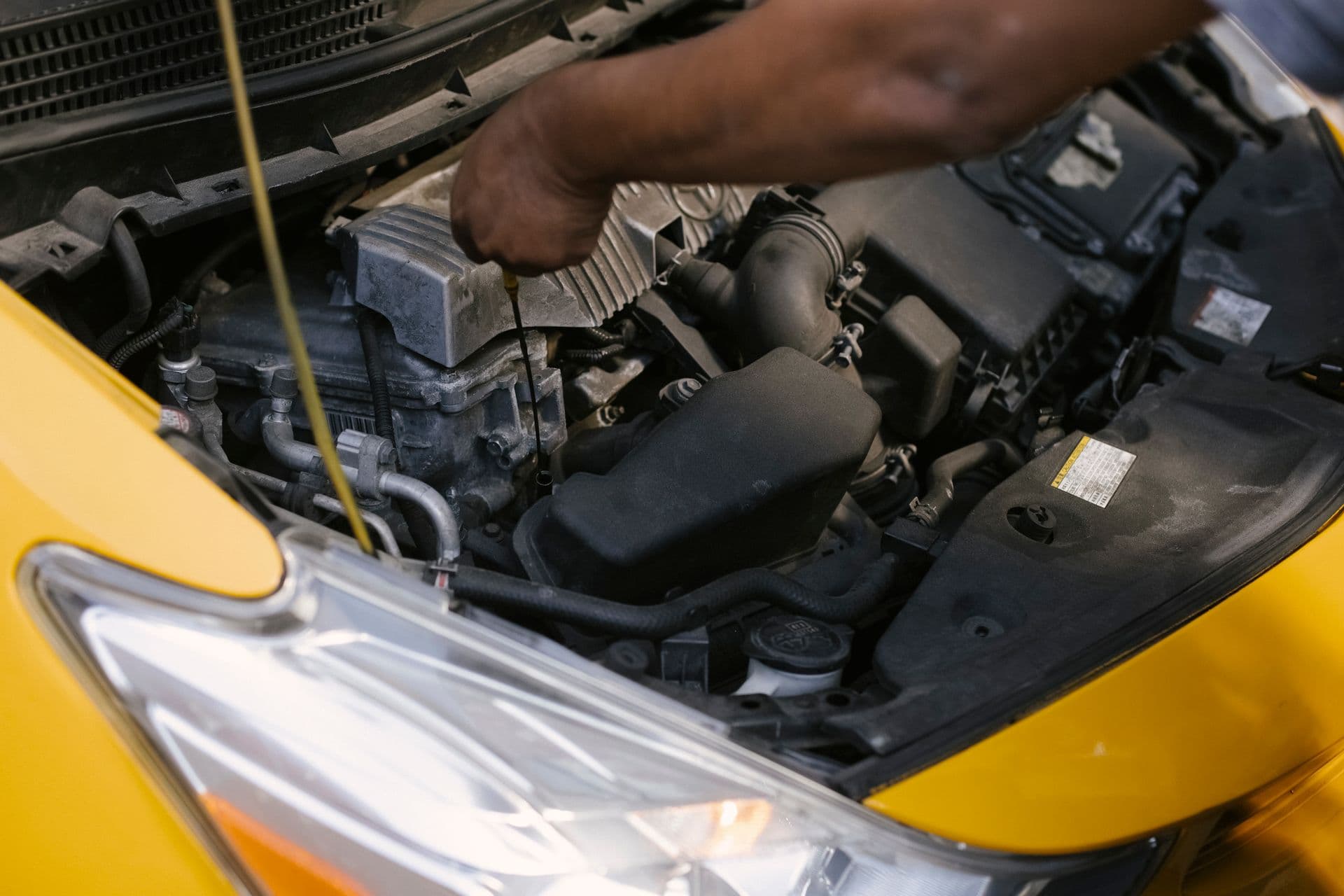


The used hybrid car market in Australia continues to grow as more drivers seek fuel-efficient and environmentally friendly transport options. Second-hand hybrid vehicles from Toyota, Honda, and Lexus offer genuine benefits including lower running costs and reduced emissions.
However, understanding how hybrid systems work and what can go wrong helps buyers make informed decisions. The inverter-converter system represents a key component worth understanding before purchasing any used hybrid vehicle.
Understanding Hybrid Car Inverters and Converters
The inverter and converter form the electrical management system in hybrid vehicles. These components work silently beneath the vehicle, managing power flow between different systems. The inverter converts direct current (DC) from the high-voltage hybrid battery into alternating current (AC) for the electric motors. The DC-DC converter steps down high voltage to maintain the 12-volt auxiliary battery that powers standard accessories.
These are sophisticated electronic systems designed to handle substantial electrical loads. Like all electronic components, they operate within specific parameters and have expected service lives that vary based on usage patterns and environmental conditions.
Most used hybrid vehicles available in Australia fall between five and fifteen years old. Understanding how these components age helps buyers assess what to look for and what questions to ask during the buying process.
How Hybrid Electronics Age Over Time
Electronic components in hybrid systems experience gradual wear through normal operation. Understanding these wear patterns provides useful context when evaluating any used hybrid vehicle.
Thermal Cycling Effects
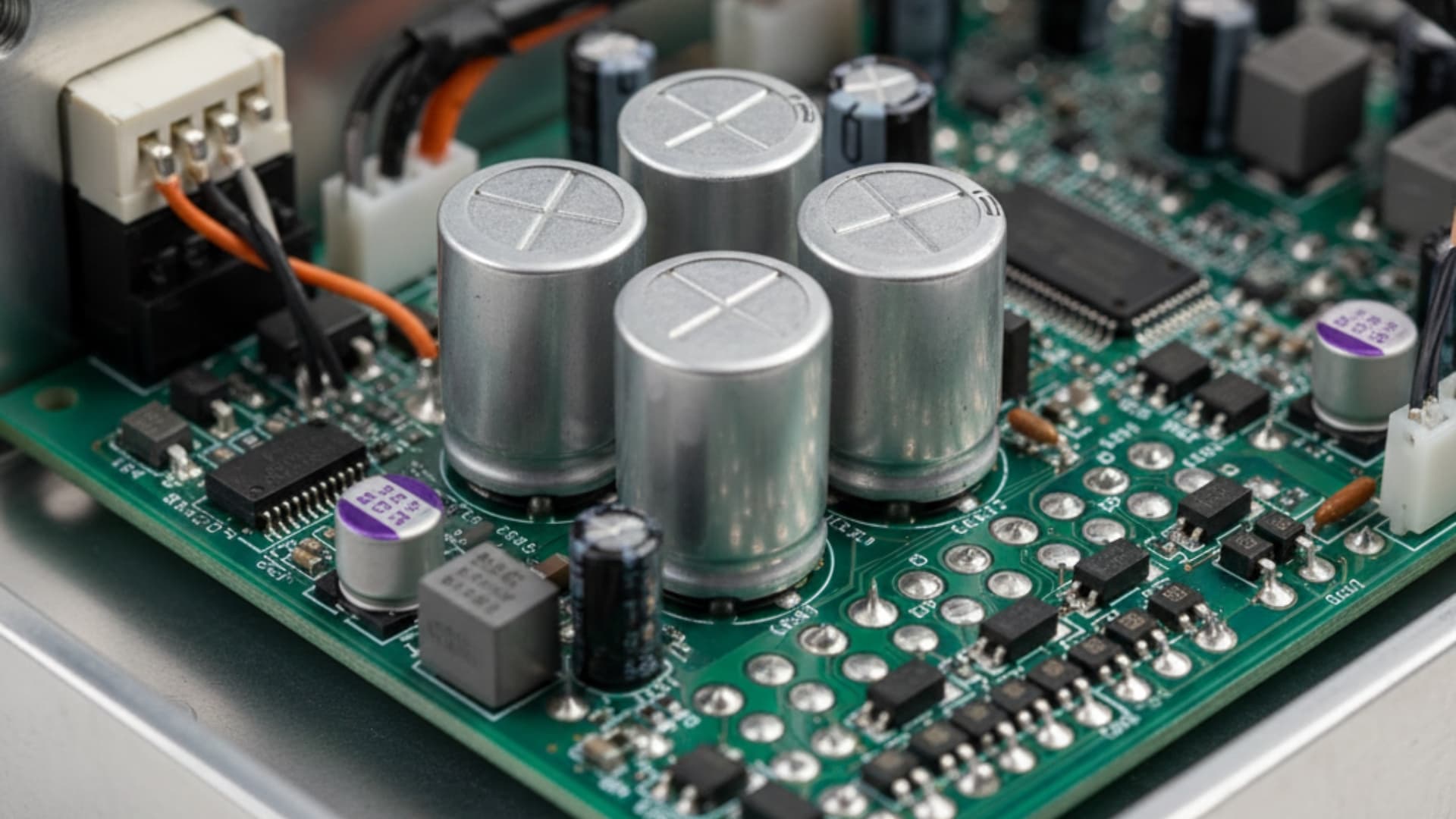
Every drive cycle heats and cools the inverter components. Over years of operation, this thermal cycling affects electronic components. Capacitors gradually lose capacity, solder joints can develop microscopic cracks, and thermal interface materials degrade. A ten-year-old hybrid has experienced thousands of these cycles.
Australian climate conditions influence this process. Vehicles operated in hot climates or parked regularly in direct sunlight experience more thermal stress. Coastal regions add humidity and salt air exposure, which can accelerate seal degradation over time.
Electrical Wear Patterns
High-mileage hybrid vehicles have processed substantial amounts of electrical energy through their systems. Every acceleration and regenerative braking event cycles power through the inverter. The switching components and power management circuits experience cumulative wear that occurs gradually over the vehicle's lifetime.
Environmental Factors
As vehicles age, rubber seals and gaskets naturally become less pliable. This is normal aging for any vehicle component. In hybrid systems, maintaining proper sealing around electronic components matters because moisture can affect sensitive electronics. Vehicles operated near coastal areas may show faster seal aging due to salt air exposure.
Recognising Hybrid System Health During Inspection
When evaluating any used hybrid vehicle, several inspection points provide useful information about system condition.
Diagnostic System Information
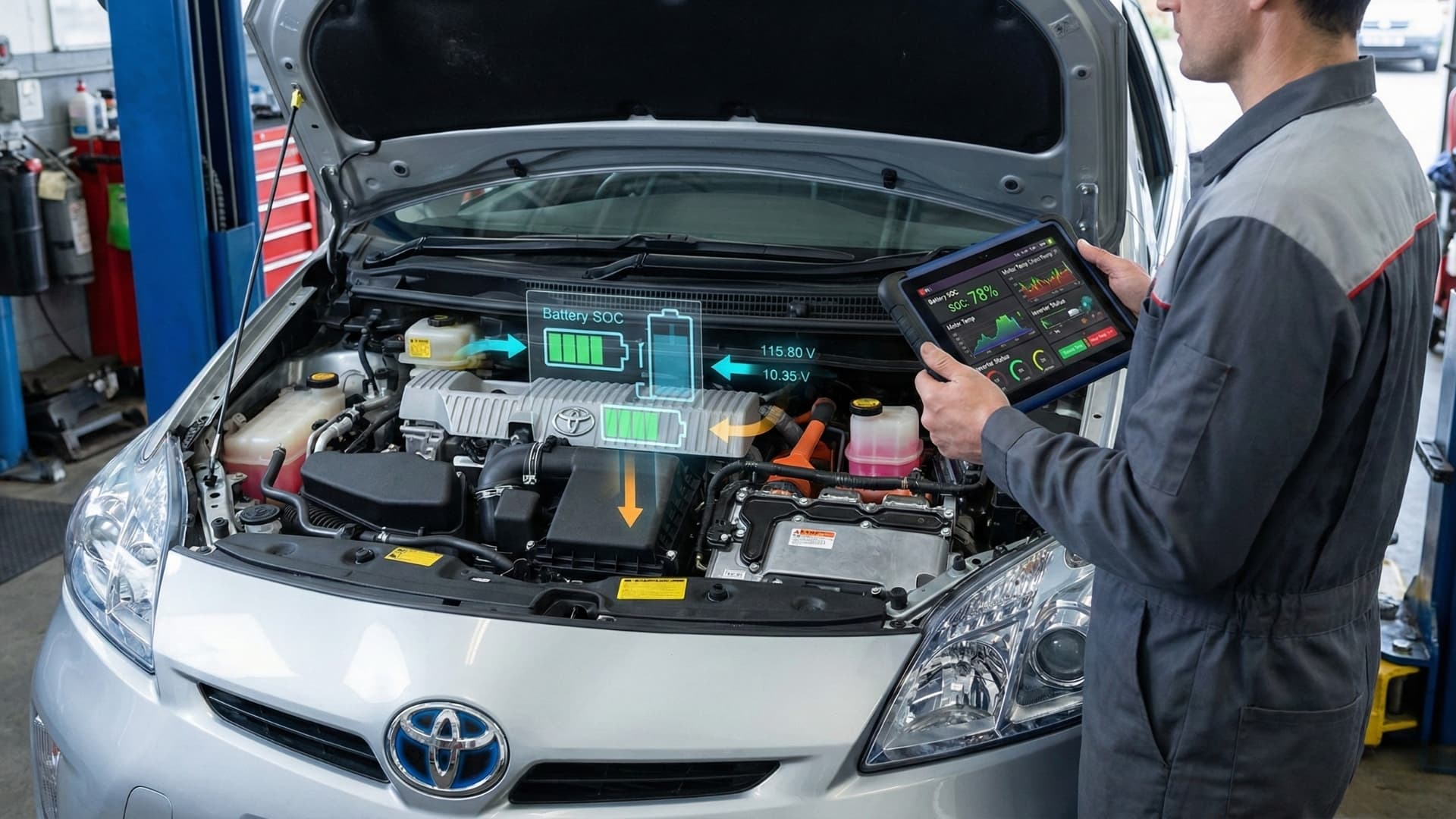
Modern hybrid vehicles include sophisticated onboard diagnostics. A proper diagnostic scan using hybrid-specific equipment reveals stored codes, system parameters, and component health data. This provides objective information about the hybrid system's current state.
Generic diagnostic readers may not access hybrid-specific systems. Professional scans using manufacturer tools offer more comprehensive information about inverter function, temperature management, and power flow characteristics.
Service History Documentation
Complete service records demonstrate how the vehicle has been maintained throughout its life. Regular servicing according to manufacturer schedules, particularly attention to hybrid system maintenance, cooling system health, and any documented repairs provide valuable information about the vehicle's care history.
Functional Testing
During test drives, hybrid systems should operate smoothly. The transition between electric and petrol power should feel seamless. Electric motor response should be immediate and consistent. Any unusual sounds from cooling fans or irregular system behaviour warrants investigation.
Physical Component Condition
Accessible hybrid components can be visually inspected for general condition. Clean, well-maintained components suggest proper care. Excessive debris accumulation or visible corrosion provides information about the vehicle's service history and storage conditions.
System Display Monitoring
Most hybrid vehicles display real-time system information including power flow, battery status, and operating modes. Observing these displays during various driving conditions shows how the system responds under different loads and provides insight into overall system health.
Where You Purchase Matters
The source of a used hybrid vehicle affects the information available and recourse options if issues arise after purchase.
Professional Inspections and Documentation
Established automotive retailers typically conduct pre-sale inspections and have access to manufacturer-specific diagnostic equipment. This provides documented information about vehicle condition at the time of sale. Professional assessments using proper diagnostic tools offer more comprehensive information than visual inspections alone, helping buyers understand what they're purchasing.
Warranty Coverage Options
Various warranty options exist for used vehicles. Understanding what's covered, for how long, and under what conditions provides clarity about financial responsibility if repairs become necessary. Coverage terms vary significantly between providers and should be reviewed carefully.
Consumer Protection Framework
Australian Consumer Law provides protections for vehicle purchases. The specific protections and remedies available vary depending on whether the purchase is through a licensed dealer or private sale. Understanding these differences helps buyers know their rights and options.
Documentation and History
Access to complete service records and vehicle history reports provides transparency about the vehicle's background. This information helps buyers understand how the vehicle has been used and maintained over its lifetime.
Looking for a dealership you can trust? Get in touch with us, we’re ready to help you find the perfect vehicle!
Making Informed Hybrid Purchase Decisions
Used hybrid vehicles can serve buyers well when selected thoughtfully. Understanding the technology and what to look for during the buying process leads to better outcomes.
- Newer used hybrids with documented service history and lower kilometres generally present less risk of immediate major repairs. These vehicles typically cost more initially but offer greater predictability regarding maintenance needs.
- Older, higher-kilometre hybrids remain viable options when priced appropriately and when buyers understand the maintenance these vehicles may require. Being realistic about potential service needs helps buyers budget appropriately.
- Different buyers have different risk tolerances. Some prefer newer vehicles with more predictable costs. Others are comfortable with older vehicles and potential maintenance needs. Neither approach is wrong when the buyer understands what they're choosing.
For buyers with mechanical knowledge or access to independent hybrid specialists, the used hybrid market offers various options at different price points. Understanding how to assess these vehicles and where to find qualified service providers expands the available choices.
Common Hybrid Models in the Used Market
Understanding which hybrid models are commonly available and their general characteristics helps buyers research specific vehicles of interest.
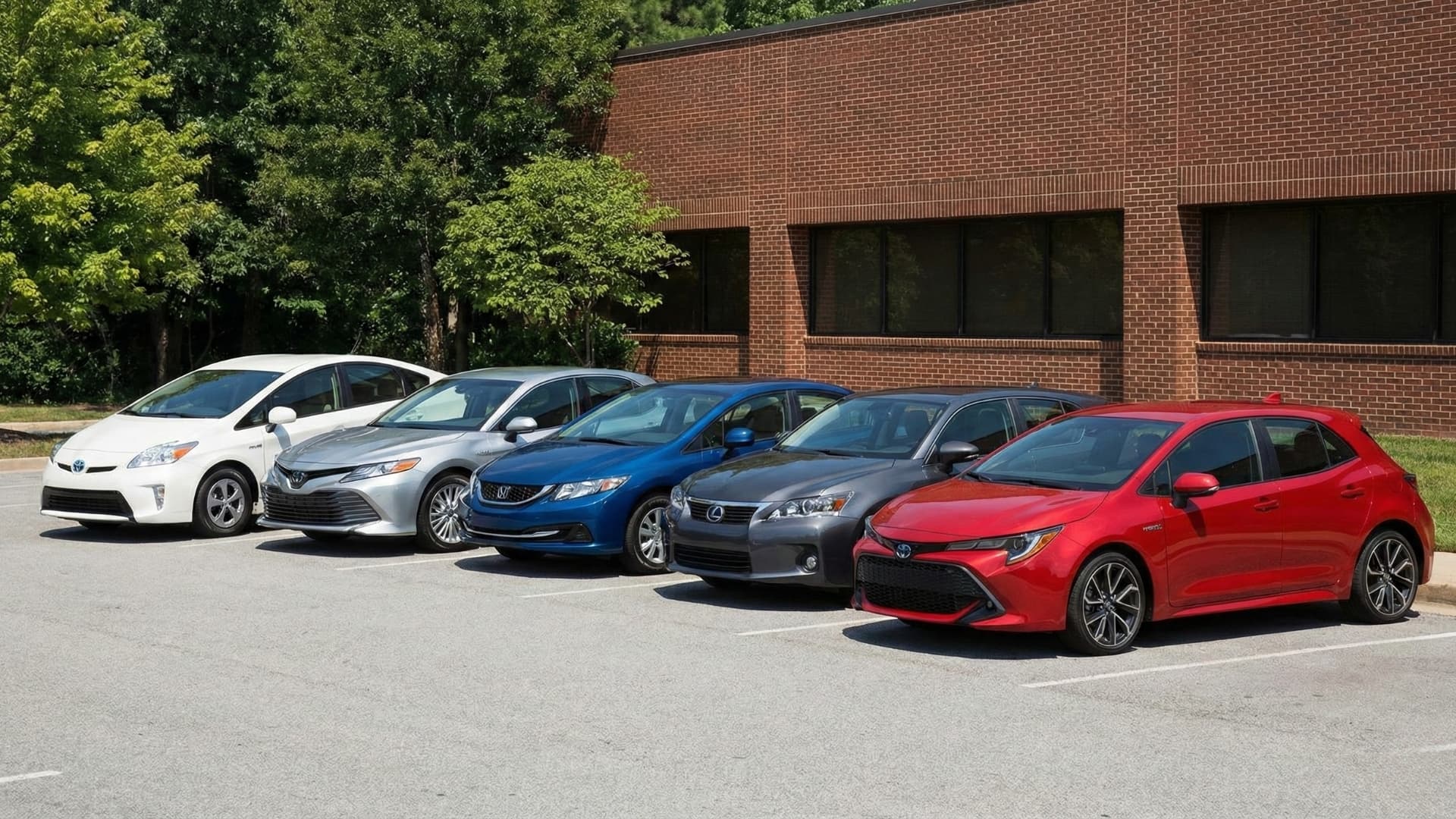
The Toyota Prius remains the most common used hybrid in Australia, with multiple generations available. Earlier generations (2010-2015) are now 9-14 years old and readily available at various price points. Later models incorporate improved technology and updated systems.
The Toyota Camry Hybrid offers hybrid technology in a larger sedan format. Newer models (2018 onwards) feature updated hybrid systems with improved thermal management compared to earlier versions.
Honda Civic Hybrid and Insight models appear in the used market, with various generations showing different reliability patterns. Research into specific model years provides useful information for buyers considering these vehicles.
Lexus hybrid models, including the CT200h, share technology with Toyota hybrids while offering luxury features. These vehicles appeal to buyers seeking hybrid efficiency with premium amenities.
The current generation Toyota Corolla Hybrid represents newer hybrid technology and most examples remain relatively recent, though used examples are beginning to enter the market.
Essential Knowledge for Hybrid Owners
Understanding hybrid systems helps both buyers and current owners maintain these vehicles effectively.
Hybrid vehicles benefit from regular maintenance following manufacturer schedules. Cooling system health particularly matters for inverter longevity, as proper thermal management extends component life. Dashboard warning lights in hybrid vehicles should be investigated promptly. Modern diagnostics can identify developing issues before they become more serious, potentially reducing repair complexity.
Operating patterns influence component wear. Smooth, consistent driving reduces electrical cycling compared to aggressive acceleration patterns. While hybrids are designed for normal driving, understanding how driving style affects the system provides useful context. Environmental conditions matter. Vehicles regularly exposed to extreme heat benefit from parking in shade when possible. Coastal vehicles may need more frequent seal inspections as part of routine maintenance.
Looking at Hybrid Technology Development
Hybrid technology continues evolving. Each generation of hybrid vehicles incorporates improvements based on experience with earlier models. Newer systems use advanced materials better suited to thermal management. Cooling system designs have improved, and manufacturers continue refining inverter technology.
However, fundamental physics remains unchanged. High-voltage electrical systems converting substantial power will always generate heat and require effective thermal management. As hybrid vehicles age, understanding these systems helps owners maintain them appropriately. The used hybrid market offers genuine opportunities for Australian buyers seeking fuel efficiency and lower emissions. These vehicles provide real benefits when selected and maintained appropriately. Understanding hybrid systems, particularly inverter-converter components, helps buyers ask informed questions and evaluate vehicles realistically. Thorough inspection, complete service history, and realistic assessment of vehicle condition all contribute to successful purchases.
Used hybrids aren't inherently problematic, nor are they risk-free. They're complex vehicles with specific maintenance needs. Buyers who research thoroughly, inspect carefully, and understand what they're purchasing generally have positive ownership experiences. The key lies in approaching used hybrid purchases with accurate information rather than assumptions. Understanding how these systems work, what can wear over time, and what to look for during evaluation leads to better decisions and more satisfying ownership.
Want to learn more about hybrid cars? Check out our blog for the latest insights and tips.