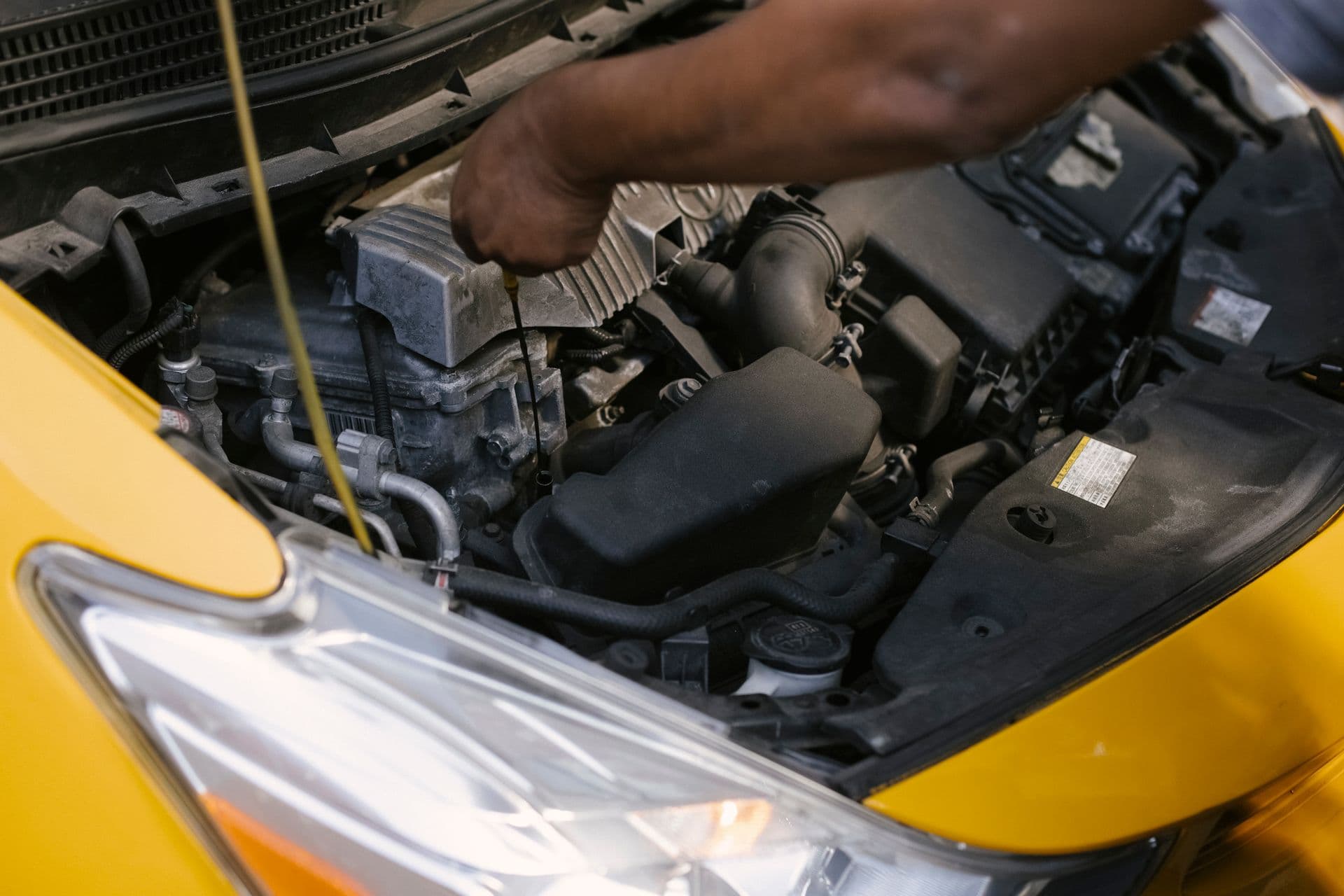


Most car owners believe that driving less keeps their vehicle in better condition. The logic seems sound: fewer miles means less wear and tear. However, automotive research reveals a surprising truth that challenges this assumption. Cars that sit unused for long periods often develop more serious problems than vehicles driven regularly. This phenomenon, known among mechanics as the "garage queen paradox," shows that good intentions can backfire spectacularly.
Modern cars are complex machines designed to run regularly. When they don't, several harmful processes begin working against them.
What Happens to Oil When Cars Sit
Engine oil does more than just lubricate moving parts. It contains special chemicals called detergents and dispersants that keep dirt and debris suspended so the oil filter can catch them. These chemicals need the oil to circulate to work properly. When an engine sits idle, they settle to the bottom like sand in a jar. At the same time, temperature changes create moisture inside the engine. This moisture mixes with the oil, creating a thick, milky substance that looks like mayonnaise.
This contaminated oil can't lubricate properly and may cause expensive engine damage. Mechanics see this problem frequently in cars driven less than 1,000 miles per year.
Why Seals Fail in Unused Cars
Every car has dozens of rubber seals that prevent oil and other fluids from leaking. These seals need regular movement and contact with oil to stay flexible. Rubber contains chemicals called plasticisers that keep it soft and pliable. Without regular use, these chemicals evaporate, causing the rubber to shrink and become brittle. The result is oil leaks that seem to appear from nowhere.
Modern synthetic seals actually have this problem more than older rubber ones. A 2015 car might suffer more from sitting than a 1985 model.
Carbon Build-Up in Modern Engines
Short trips and infrequent driving create perfect conditions for carbon deposits to form inside the engine. When engines don't get hot enough, unburnt fuel leaves deposits on engine parts. This problem is especially bad in direct injection engines, which are common in cars made after 2010. Unlike older engines, these systems rely entirely on getting very hot to burn off deposits.
Over time, these deposits reduce power, increase fuel consumption, and can cause engine knock. Professional cleaning costs $500 to $1,200, but regular highway driving prevents the problem entirely.
Tyre Problems Beyond Tread Wear
Tyres age even when they're not being used. The rubber breaks down from the moment they're made, regardless of how many miles they've covered. Cars that sit in one spot can develop flat spots where the tyre touches the ground. More seriously, old tyres can fail suddenly even with good tread, as the sidewalls weaken and steel belts separate from the rubber. Tyre manufacturers print date codes on the sidewall. Most experts recommend replacing tyres after six years, regardless of how they look.
Why Exhaust Systems Corrode
Exhaust systems need to get very hot to work properly. High temperatures burn off moisture and other harmful substances that would otherwise cause rust. Short trips don't give exhaust systems enough time to heat up properly. Moisture builds up inside, causing rust that eats through the metal from the inside out. Cars driven regularly on motorways often have cleaner, longer-lasting exhaust systems than low-mileage cars used only for short trips.
Fuel Goes Bad
Petrol starts going bad within a month, forming sticky substances that clog fuel system parts. Modern fuels containing ethanol make this worse because ethanol attracts water from the air. Even more surprising, bacteria and fungi can actually grow in fuel tanks. They feed on the small amounts of water that collect inside, producing acids that corrode fuel lines and create slime that blocks filters. This problem is especially common in cars with partially filled fuel tanks that sit for long periods.
Computer Systems Learn Bad Habits
Modern cars have computers that learn how you drive and adjust the engine accordingly. If you only drive gently, the computer optimises for gentle driving. When you finally need full power, such as for an emergency overtake, the engine might not respond properly because the computer has "forgotten" how to deliver maximum performance.
Some luxury cars even shut down parts of the engine during light use to save fuel. Without regular demanding driving, these systems might not work when you need them most.
Brake Problems from Lack of Use
Brakes need regular use to stay in good condition. Unused brake discs develop rust that causes vibration and reduces stopping power. Brake calipers can seize up from sitting still too long. Safety systems like ABS and stability control also need regular use to stay calibrated and working properly. Ironically, these systems might fail because you've been driving too carefully.
How to Keep Low-Use Cars Healthy
We recommend specific care for cars driven less than 5,000 miles per year:
- Every Week Drive for at least 30 minutes, including 10 minutes at motorway speeds. Make sure the engine gets fully warmed up.
- Every Month Take one longer trip of at least 50 miles at different speeds. This exercises all systems and circulates all fluids properly.
- Every Three Months Add fuel system cleaner to a full tank and drive until nearly empty. Check tyre pressures and battery voltage.
- Every Year Have a professional check seals, hoses, and fluid condition. Replace the air filter regardless of mileage. Test the battery under load, not just check the voltage.
The Bottom Line
The relationship between driving and car health is more complicated than simply "less use equals less wear." Cars are designed to be used regularly and depriving them of this intended use often creates more problems than normal driving. Understanding this helps car owners make better decisions about maintenance and driving habits. Regular use, combined with proper maintenance, typically produces better long-term results than trying to preserve a car through minimal use.
The key is finding the right balance: enough driving to keep all systems healthy, but not so much that normal wear becomes excessive.