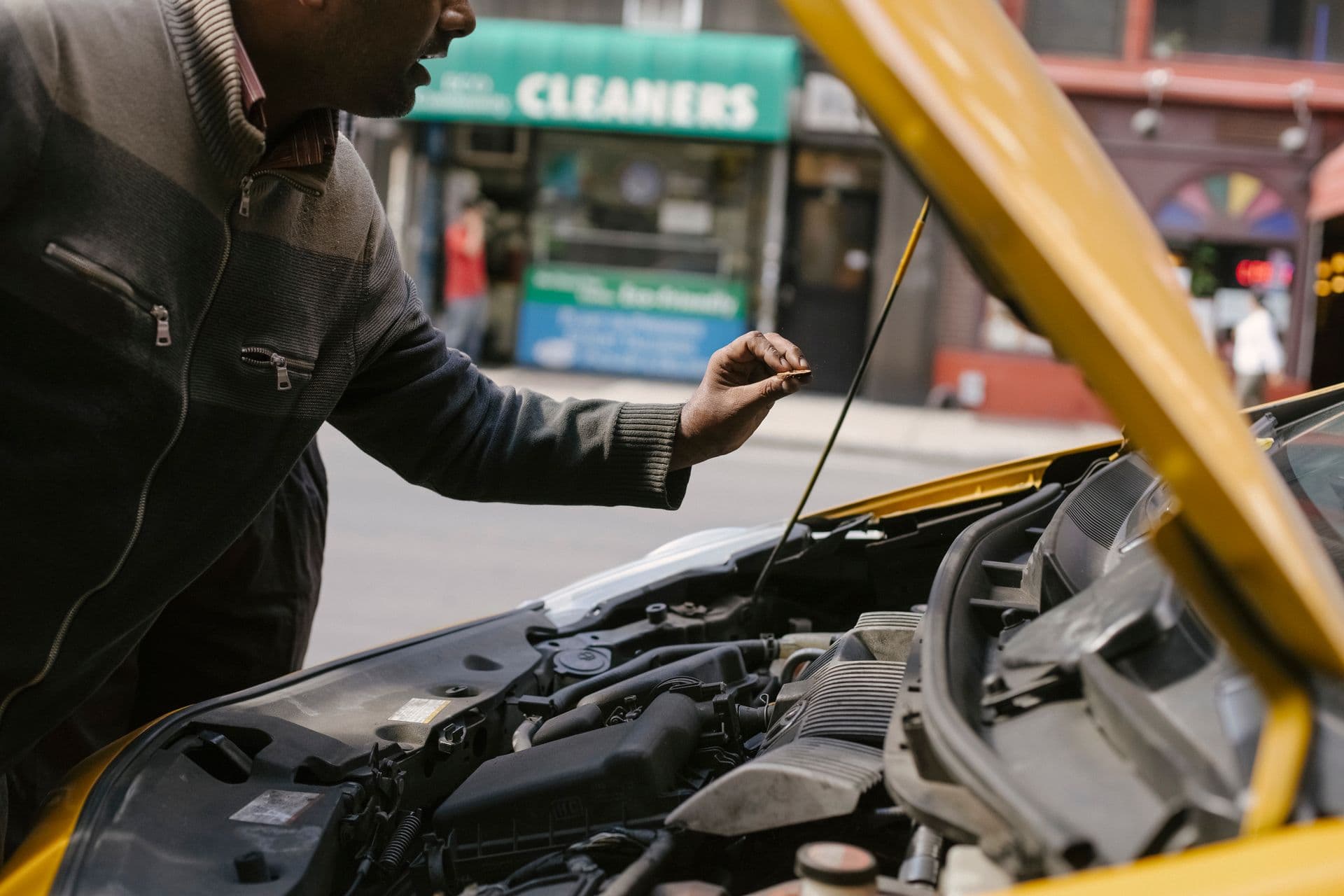


Car batteries can be unpredictable and fail at the most inconvenient of times.
The car battery is the heart of your vehicle’s electrical system, powering the car and its electrical components.
A modern battery will usually last between 1 to 4 years, depending on the usage.
There are many things to take into consideration when buying a battery; environmental conditions, driving habits, climate, and use of powered accessories. All of these factors can significantly impact on the car battery service life and reliability.
Most battery stockists will offer free testing of your existing battery. This allows them to assess your battery's condition and helps ensure a battery replacement can occur prior to an emergency breakdown situation occurring.
Causes for Battery Failure can include:
- Infrequent use of vehicle
- Sulphation
- Electrolyte starvation (low water level)
- Vibration
- Overcharging
- Undercharging
- Battery Corrosion
- Open Circuit Failure
- Short Circuit Failure
The most common reason for battery failure is that the vehicle has not been used for some time.
If possible, keep batteries fully charged either with regular daily use, ensuring that your alternator and charging systems are fully functional and set to appropriate charging voltage.
If this is not possible you can use a maintenance charger. Depending on the size of the battery – maintenance charges are available from 0.75 amps upwards.
Products like these are designed to top up the battery after use and then switch to what is called a floating mode with enough power to keep the battery at an optimum charge.
If you do need to replace your battery and decide to change it over yourself you may want to take a couple of things into consideration:
- Disconnecting the battery will clear all codes used to maintain the memory of security codes, radio pre-sets etc
- Battery acid is corrosive and will damage paintwork
How to change the car battery
Step 1 – Disconnect the battery Park your car on level ground with the parking brake on and the gear in first for a manual or park for an automatic transmission. Turn key off and remove. Remove the negative terminal first – it’s the one with the minus ‘-‘ sign – then remove the positive terminal. You may want to wear gloves as an added safety precaution. |  |
Step 2 – Remove battery restraints remove the battery restraints or other hardware holding the battery down. Keeping the battery upright at all times, remove it from the tray. |  |
Step 3 – Inspect and clean terminal check battery cables for damage and corrosion Clean the insides of each terminal with the battery terminal and post cleaner. Wipe terminals clean. Ro prevents corrosive deposits from forming, coat the terminals with anti-corrosion terminal grease. |  |
Step 4 – Install new battery keeping upright at all times, place the new battery onto the tray. Make sure the positive and negative terminals are on the correct side. Replace the restraints securely. |  |
Step 5 – Reconnect battery terminals connect the battery terminal – positive first, then negative. Start the vehicle. |  |
Conclusion: Keep Your Battery in Top Condition
A reliable car battery is essential for the smooth operation of your vehicle, but it can fail unexpectedly, leaving you stranded. By understanding the factors that impact battery life and taking proactive steps like regular testing, maintenance charging, and monitoring for signs of wear, you can avoid inconvenient breakdowns. Whether you choose to replace the battery yourself or seek professional help, following the proper steps ensures your vehicle remains powered and ready to go.
Remember, regular battery maintenance is key to extending its life, and if you ever notice signs of failure, it’s better to act early than risk getting stranded. If you're unsure about the state of your battery or need assistance, always consult a professional to keep your car in optimal condition.