

Tyres are a vital component of any vehicle, yet they are often overlooked until a puncture, blowout, or loss of traction occurs. Over the years, tyre technology has improved significantly, particularly with runflat and sealant tyres. These innovations promise enhanced safety, convenience, and reliability without compromising performance. But how do these tyres compare to traditional, non-runflat tyres on Australian roads? This article provides a detailed comparison of normal tyres, modern runflat tyres, and sealant tyres, covering performance, comfort, safety, and cost.
Understanding the Different Tyre Types
To make informed decisions, it is important to understand the three types of tyres available:
-
Normal Tyres
Standard tyres rely entirely on proper air pressure to support the vehicle, maintain shape, and provide traction. They are usually less expensive than runflat or sealant tyres but have a key limitation: if punctured or deflated, they require immediate repair or replacement to remain safe. -
Runflat Tyres
Runflat tyres are designed to continue supporting a vehicle even when air pressure is lost. Reinforced sidewalls allow the vehicle to travel for a limited distance at reduced speeds, enabling drivers to reach a safe location or service station. Early runflat tyres were often criticised for reduced ride comfort, increased noise, and stiffer handling. Modern fourth-generation designs, however, have improved considerably, offering comparable performance to standard tyres while retaining safety benefits. -
Sealant Tyres (SEAL Tyres)
Sealant tyres contain a specialised material bonded inside the tyre that automatically seals punctures in the tread area. This allows the tyre to continue operating after a nail or sharp object penetrates the surface. Unlike runflat tyres, sealant tyres cannot compensate for sidewall damage, limiting their ability to manage certain types of punctures.
Performance Comparison
Modern tyre evaluations show that runflat and sealant tyres can match the performance of normal tyres when using the same compound. Controlled testing for dry and wet conditions reveals the following:
Dry Handling and Braking
-
Runflat tyres provide slightly sharper steering due to reinforced sidewalls, improving responsiveness during turns.
-
Lap time comparisons show minimal differences between normal, runflat, and sealant tyres, with variations under half a second.
-
Braking distances from 100 km/h are nearly identical, confirming that modern runflat tyres perform on par with conventional tyres in dry conditions.
Wet Handling and Braking
-
Runflat tyres maintain similar grip and handling in wet conditions, with less than a second difference during dynamic manoeuvres.
-
Wet braking distances are virtually the same across all three tyre types, with differences under 0.1 metres.
-
Steering feedback is slightly reduced at the limit of traction on runflat tyres, but overall wet performance remains safe and reliable.
These results indicate that fourth-generation runflat tyres and sealant tyres can deliver safe and effective handling on both dry and wet Australian roads.
Comfort and Noise
Ride comfort has historically been a weakness for runflat tyres due to stiff sidewalls. Modern tests show that:
-
On moderate impacts, runflat tyres sometimes provide smoother ride quality because vibrations dissipate more quickly.
-
For small and very large impacts, standard tyres maintain a slight advantage, although differences are minor and rarely noticeable in everyday driving.
-
Cabin noise is comparable across normal, runflat, and sealant tyres, suggesting that modern designs have addressed the noise issues associated with earlier runflat tyres.
Overall, ride comfort for fourth-generation runflat tyres is now very close to standard tyres, making them suitable for urban driving, highways, and rougher regional roads in Australia
Puncture Resistance and Runflat Capability
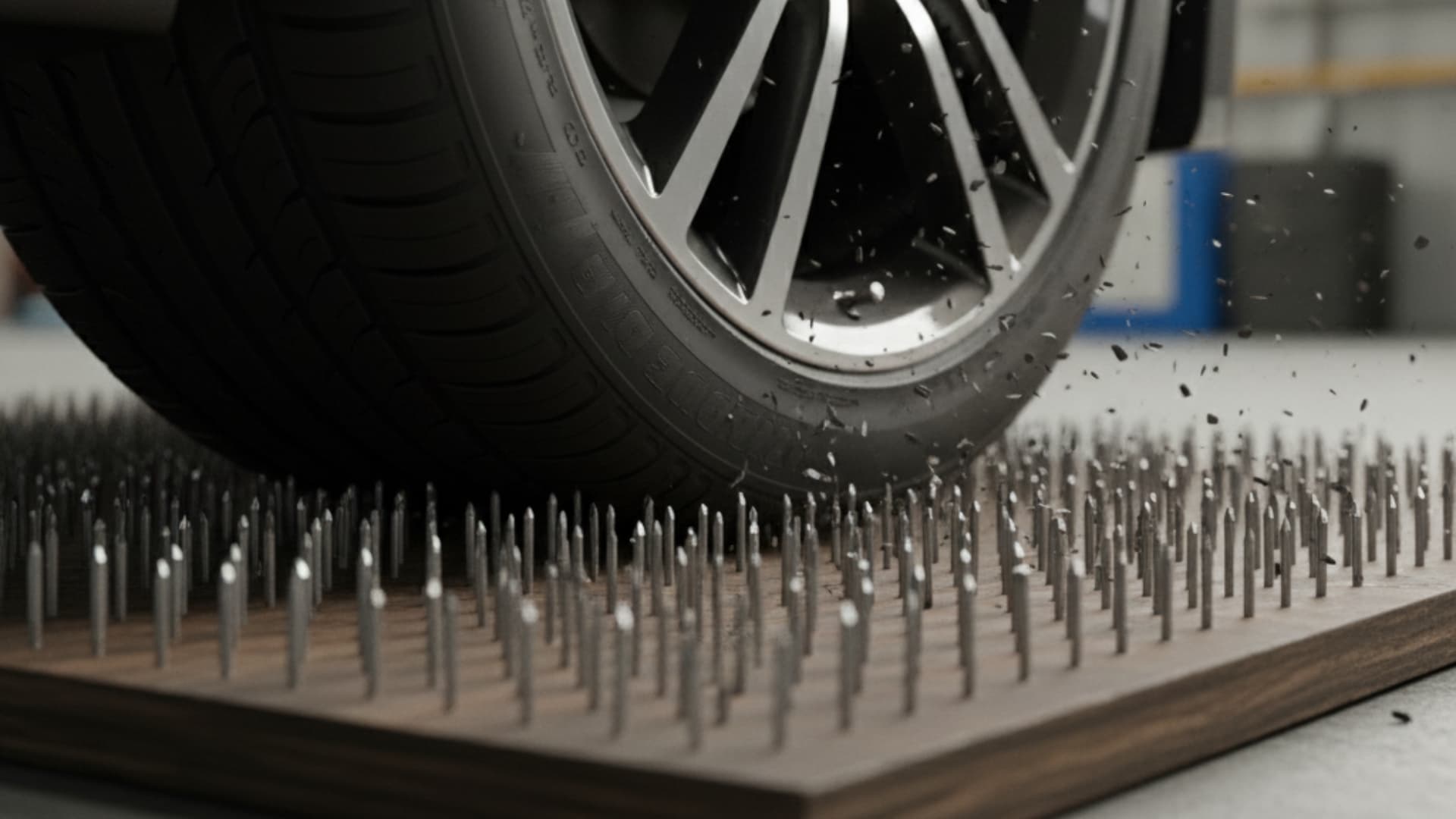
Sealant Tyres
Offers excellent protection against tread punctures. They are particularly effective against common hazards such as nails or sharp debris, which are frequent causes of tyre deflation in cities and regional areas. However, they cannot prevent failure from sidewall damage, limiting their use in off-road or extreme conditions.
Runflat Tyres
Provides a significant safety advantage because they can continue supporting the vehicle even after sidewall damage or a full deflation event. They allow drivers to travel safely at reduced speeds to a service station, reducing the risk of accidents caused by sudden tyre failure. While extended use of a deflated runflat tyre can permanently damage it, this capability provides unmatched safety and peace of mind for drivers in Australia, where long distances and remote locations are common.
Hydroplaning, Rolling Resistance, Wear and Cost
-
Hydroplaning Performance: Runflat tyres may have a slight advantage due to stiffer construction, maintaining a smaller contact patch deformation.
-
Rolling Resistance: Runflat tyres can be slightly less fuel-efficient, with an estimated 10% higher rolling resistance compared to standard tyres.
-
Tread Life: Wear rates are generally similar across all three tyre types. Some tests indicate minor advantages for runflat tyres, depending on driving conditions.
-
Cost: Runflat and sealant tyres typically cost 15–20% more than standard tyres due to advanced materials and design.
Despite higher costs, both runflat and sealant tyres offer significant safety benefits, making them a practical investment for Australian drivers.
Safety Considerations
Safety is the primary reason to consider advanced tyre technologies:
-
Runflat tyres protect against both tread punctures and sidewall failure, allowing continued driving after severe tyre damage.
-
Sealant tyres prevent tread punctures but cannot handle sidewall or shoulder damage.
-
Normal tyres offer no redundancy, requiring immediate attention after a puncture or blowout.
For Australian drivers, especially those travelling long distances or in remote areas, runflat tyres provide an unmatched safety advantage. Sealant tyres are ideal for urban or suburban driving, offering resilience against everyday punctures without compromising comfort.
Fourth-generation runflat tyres have resolved many of the performance and comfort issues of older designs. Compared to normal and sealant tyres:
-
Performance: Dry and wet handling, braking, and steering are comparable.
-
Comfort: Slight differences on certain road surfaces, but minimal for everyday driving.
-
Noise: Comparable across all tyre types.
-
Safety: Runflat tyres allow continued driving after sidewall deflation, while sealant tyres protect against tread punctures.
-
Cost: Higher than standard tyres, but justified by the added safety and convenience.
Sealant tyres remain an excellent choice for everyday driving and puncture prevention. Runflat tyres provide the ultimate safety net, particularly in conditions where roadside assistance may be delayed.
For Australian drivers, modern runflat and sealant tyres represent advanced, reliable options that combine safety, performance, and comfort. With technology now capable of matching conventional tyres in handling and noise, there is little reason not to consider these options for safety-conscious drivers.
If you’re looking to have your tyres serviced, contact us.